

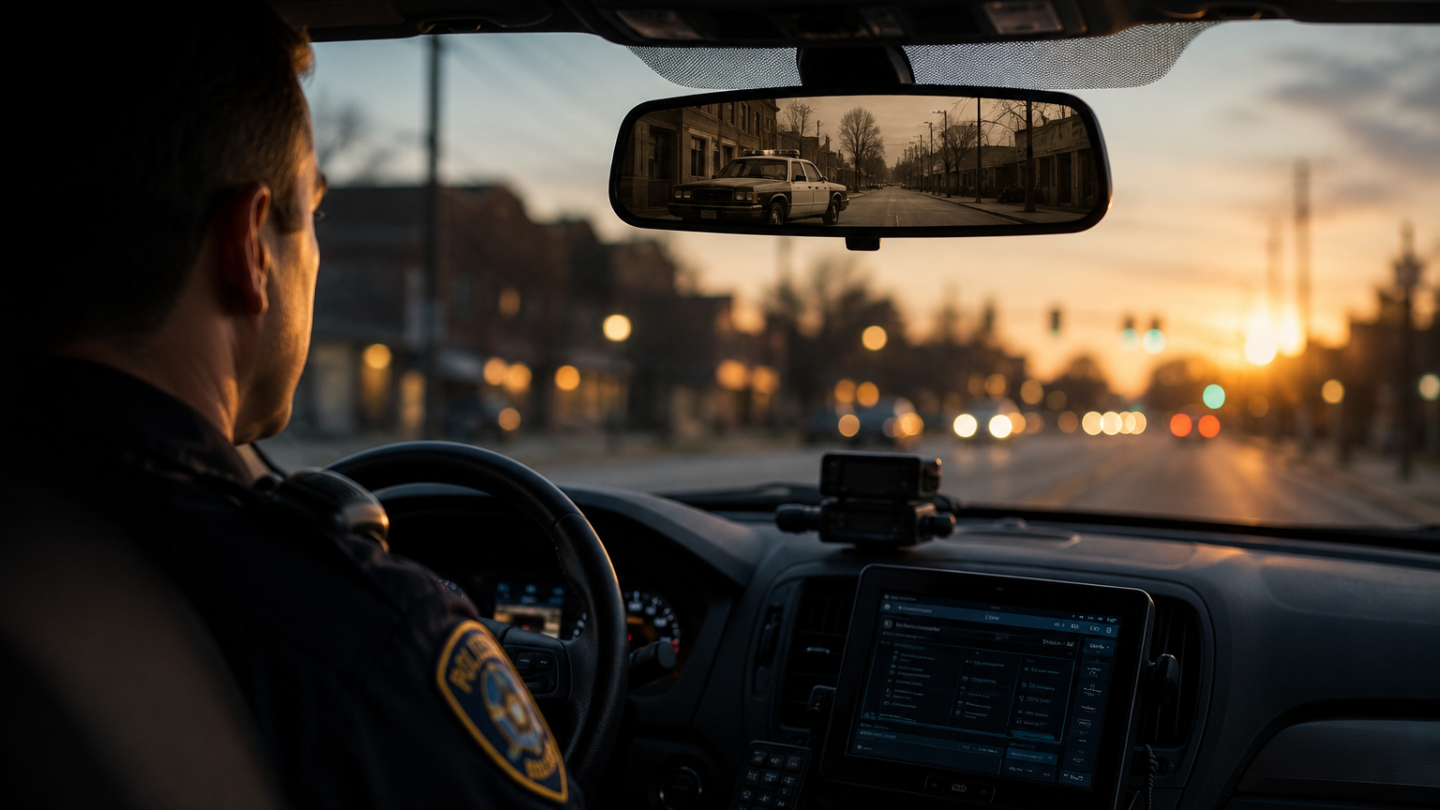
It’s been said that anxiety is stressing about the future while depression is stressing about the past. Many veteran officers are caught right in the middle — drained by both simultaneously, stuck at a crossroads where neither direction offers relief.
Thank you for reading this post, don't forget to follow and signup for notifications!
In Police1’s “What Cops Want in 2026″ survey, — which focused on life on shift — testimonies echo the same refrain: grief for what the job used to be and fear of where it’s heading. The two feelings compound and only aggravate each other:
- “The job isn’t what it used to be.”
- “A patrol shift is far different than it was 10 years ago.”
- “The days of clearing a call in under 25 minutes are over.”
- “It feels like most calls involve mental health.”
- “Patrol cannot be the catch-all for everything.”
- “The job isn’t worth it anymore.”
These weren’t just a few remarks — similar themes carried consistently throughout survey responses. These feelings are real, valid and worthy of reflection. They are derivatives of tangible issues: operational gaps with low staffing and substandard training, mental health resource misses, systemic shortcomings with leadership and personnel development, a seemingly increasing burden of liability and little-to-no-win situations with the public.
| DOWNLOAD THIS YEAR’S WHAT COPS WANT REPORT
There is much work to be done, but the longer we ruminate on “how bad things are” without a destination, the more we end up dwelling, stewing and even spiraling. So where do we go from here? Feelings without direction just accumulate. The gap between what we think the job should be and what it actually is — that’s where we get sapped.
If there was one thing I kept noticing throughout “What Cops Want,” it was that many of us are wrestling with that exact gap. Not just between past and present policing, but between our expectations and reality.
Before we can reframe anything, we have to look at how we’re thinking about it in the first place. That starts with mindset and the language attached to it.
The problem with living in the past and “should”
Staying anchored in “glory days” clouds our read on the present. At best, we’re distracted. At worst, we’re dejected and/or apathetic. In this profession, stagnation is failure.
Along with this is the usage of “should.” It bundles complaining, blaming and shaming into one package, delivering none of the ownership, strategy or cultural impact that actually moves things forward. “Should” is the language of someone watching from the stands, convinced they know the right play, but unwilling to get on the field.
The more I reflected on this year’s “What Cops Want” responses, the more I realized many of the comments weren’t just describing operational problems. They reflected how we process those problems. Different officers can face the same staffing shortage, policy change, mental health call volume or public scrutiny and walk away with entirely different outlooks. That’s where mindset enters the picture.
So what … now what?
The officers who responded to “What Cops Want” were describing the profession as they see it. Their concerns deserve to be heard.
They also raise an important question: How do we move forward from here?
“The job isn’t what it used to be.”
True, and it was different before we started, too. Every generation has its own nostalgia, which makes the concept more subjective than factual. I’m genuinely grateful for the memories. But complaining about their ending doesn’t restore them. It just makes the present harder to show up for. Reframe the chores into challenges. The harder it gets, the more room there is to grow.
“A patrol shift is far different than it was 10 years ago.”
Of course. My officers manage more tech, more systems and more administrative load than I did early on. But that same technology making documentation tedious is cementing cases that, two decades ago, would have dissolved without a trace. I signed up because no two days would be the same. Technology and the progression of systems don’t just support that; they guarantee it.
“It feels like most calls involve mental health.”
Progress in awareness cuts both ways, including in how we respond. Experienced officers know the difference between a suspicious person and someone with dementia, schizophrenia or autism spectrum disorder. We’ve come a long way from treating a diabetic episode like a brewing violent encounter. The job was never just citations and arrests. Successful policing requires more discernment and nuance than ever, which isn’t a failure of our profession, but truly a growth point.
“Patrol cannot be the catch-all for everything.”
Agreed, and no one is asking it to be. When patrol arrives first, the mission isn’t to fix everything. It’s to analyze and begin the problem recognition and prescriptive effort process. What are we seeing? What or who may help? What can we supplement or remove to amend this situation? What levers and toggles can we pull or adjust? Patrol isn’t the whole wheel, but it may be the spoke in the center, where response begins and where the Swiss Army knives of public safety initiate and coordinate with the right specialized teams.
“The job isn’t worth it anymore.”
This one requires honesty more than optimism. If the person saying it can’t find their own reasons to dispute it, they’re probably right … and they should probably go. Staying without a purpose doesn’t serve them, their family or their team. And no one is making them stay.
That said, the what of this job hasn’t changed. Protect life and property. Protect people and their peaceful ways of living. The how has adapted: the tools, the processes, the frameworks. That’s not decay, but evolution. And evolution is how anything survives.
Are we still arresting people? Keeping people safe? Deterring violent actors? Teaching and mentoring through prevention? Is this still a profession built on honor and integrity? Still sweating and bleeding for people who will never know our names? The beauty of these questions is that those in the career get to continue answering them every day with their actions.

The choice
That does not mean the concerns raised in the “What Cops Want” survey are wrong. Officers are naming real strain, and the profession should listen.
But the job was never going to stay frozen in the version we first entered. The calls changed. The tools changed. The expectations changed. The scrutiny changed. So the question is not whether policing is different. It is whether we can remain useful, grounded and honorable inside the version of the profession that exists now.
The “good old days” may be gone, and maybe they were never as clean as we remember. What remains is the gritty here and now: the next call, the next shift, the next officer who needs mentoring, the next person who needs help and the next opportunity to decide who we are going to be in the middle of all this change.
No victims. No villains. No heroes. Just humans helping humans. Protecting the vulnerable, reducing the hurt and serving with intention. That is what the job has always been. That is what it still can be.

