


[[“value”:”
Thank you for reading this post, don't forget to follow and signup for notifications!

Jason Mosher
There are multiple benefits to using a silencer with your firearm. Of course, we all know the most common is sound reduction. But you also hear a lot about increased bullet velocity as well.
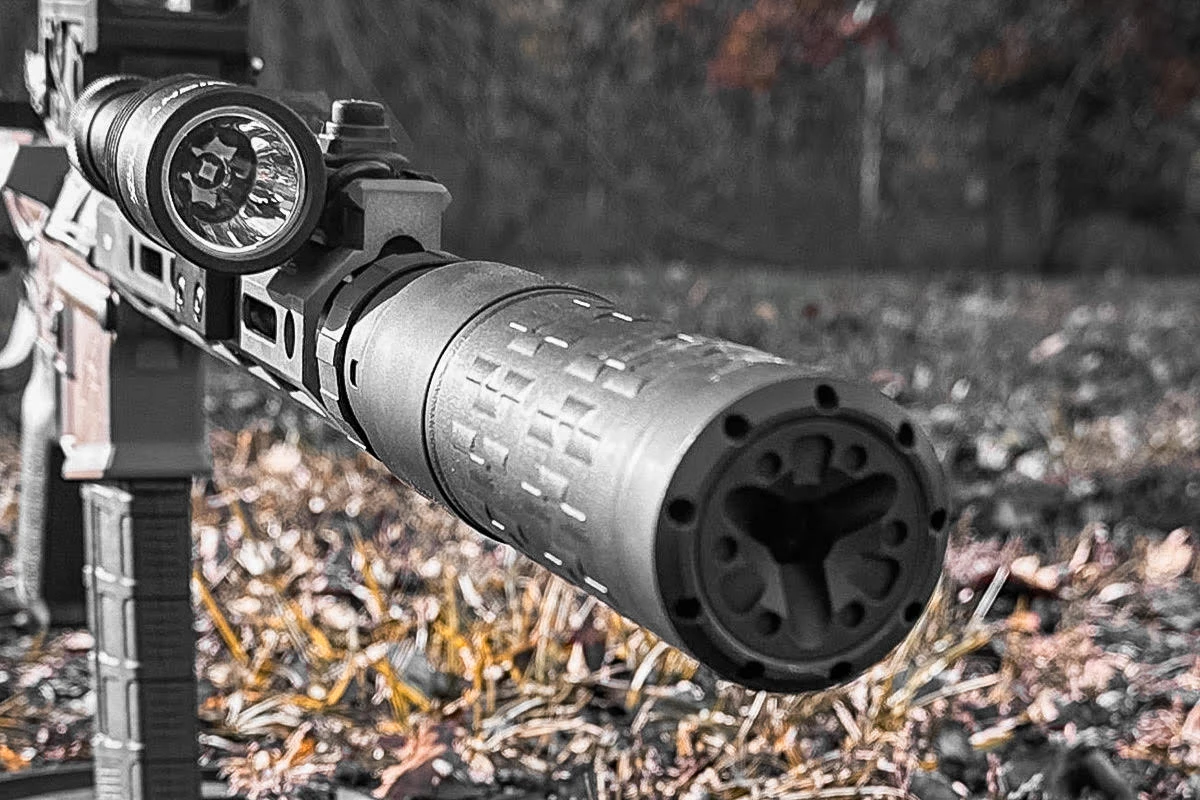
When speaking in general terms, putting a silencer on your rifle does increase bullet velocity. This phenomenon is known as “free-bore boost.” When hot, expanding gases follow a bullet into the sealed baffles of a suppressor, they continue to push the projectile for a fraction of a second longer than they would out of a bare muzzle.
However, not all cartridges experience this velocity jump equally. If you are shooting an AR-15 chambered in 5.56 NATO, you might notice a distinct increase in feet per second (FPS) once you thread on a can. But if you switch that upper receiver out for a .300 AAC Blackout, the story changes.
Does a Suppressor Add Bullet Velocity in .300 Blackout?
While a suppressor does add velocity to a .300 Blackout, the gains are minimal compared to other rifle cartridges. To understand why, we have to look closely at the physics of internal ballistics, powder burn rates, and bore expansion ratios.
What is Free-Bore Boost?
Free-bore boost is the slight increase in projectile velocity that occurs when a suppressor traps expanding propellant gases behind a bullet after it exits the physical rifle barrel. To understand how this affects velocity, let’s look at what happens inside the silencer itself when a round is fired.
When a cartridge ignites, the burning gunpowder generates an immense amount of high-pressure gas. This gas expands rapidly, pushing the bullet down the bore of the barrel.
In a standard rifle with a bare muzzle, the moment the base of the bullet clears the muzzle crown, those gases escape into the atmosphere. The pressure behind the bullet instantly drops and the projectile stops accelerating.
When you attach a suppressor, you effectively extend the environment where those gases can remain trapped behind the bullet. As the projectile travels through the baffled chambers of the silencer, the high-pressure gas is still contained directly behind it. This creates a lingering push, acting like a temporary barrel extension without the added friction of rifling. This extra push is what some call “free-bore boost.”
For standard high-velocity rifle rounds, this boost can routinely add anywhere from 10 to 30 FPS to your muzzle velocity.
Why Does .300 Blackout Respond Differently to a Suppressor Than 5.56 NATO?
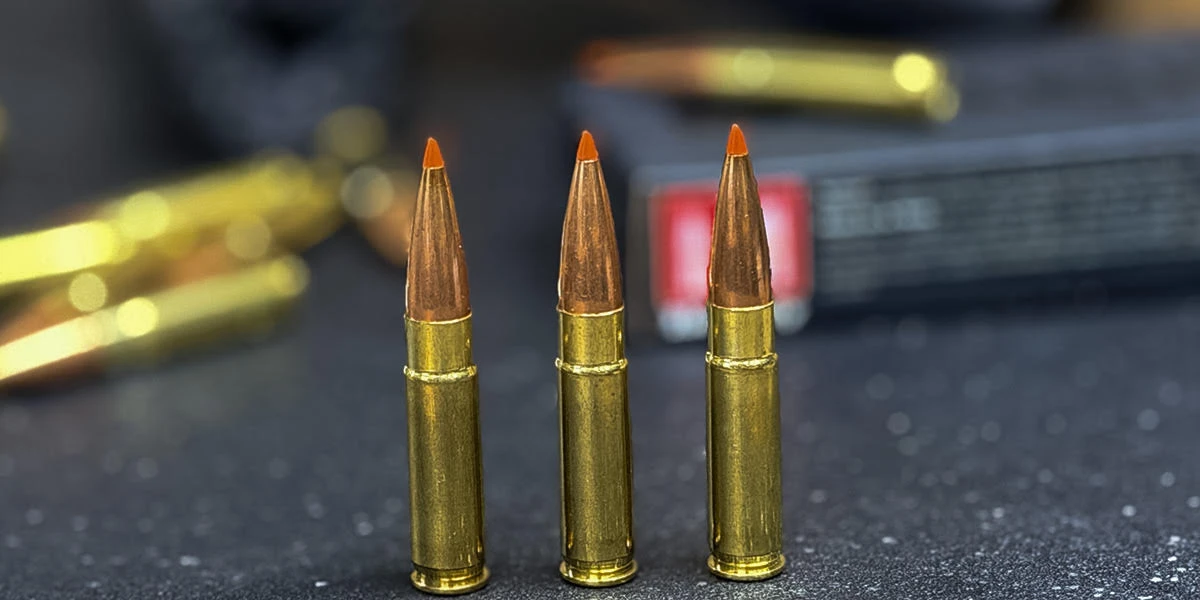
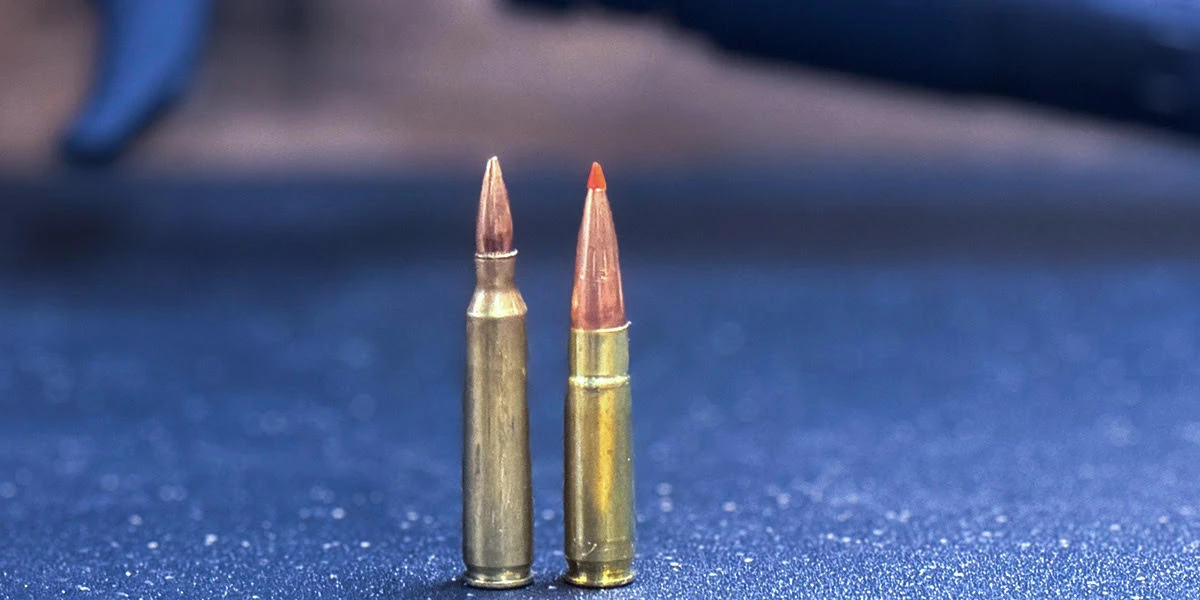
The .300 Blackout responds differently to a suppressor than the 5.56 NATO because of its unique case geometry, larger bore volume, and highly efficient, fast-burning powder.
When you shoot a standard 55-grain 5.56 NATO round through a 16-inch barrel, a massive volume of gas escapes the muzzle. Because of the 5.56 case geometry and expansion ratio, there is still significant residual pressure at the moment of exit. When that heavy gas volume enters a suppressor, it has plenty of energy left to give the lightweight 5.56 bullet a noticeable “extra kick.”
But the .300 Blackout behaves differently. Whether you are shooting supersonic hunting loads or heavy subsonic rounds, the velocity increase provided by a silencer is insignificant. Most of the time, it will register as a single-digit change on a chronograph. The cartridge is simply designed to be hyper-efficient inside the barrel, leaving very little leftover energy for the suppressor to harvest. This is primarily caused by the type of gunpowder used in the cartridge.
Fast-Burning vs. Slow-Burning Gunpowders
When we say the two cartridges manage pressure differently, it is mostly because of the specific type of gunpowder used in each one. The 5.56 NATO, like most traditional bottlenecked rifle cartridges, relies on relatively slow-burning progressive powders. These powders require a longer barrel length to maximize velocity. This means high pressure follows the bullet all the way to the muzzle.
On the other hand, the .300 Blackout was engineered specifically for high performance in a short barrel. To achieve this, it uses fast-burning powders that are much closer to magnum pistol propellants than traditional rifle powders.
In a .300 Blackout, the gunpowder burns up almost completely within the first 8 to 9 inches of the barrel. By the time the bullet reaches the end of a standard 16-inch barrel, or even a 10.5-inch short-barreled rifle, the powder burn is finished. The pressure curve has already peaked and is actively dropping. Because the gas pressure has depleted significantly before the bullet exits, there is very little residual force left to create a meaningful free-bore boost inside the silencer.
Consequently, because the gases are already losing momentum by the time they exit, the silencer safely absorbs and dissipates the remaining pressure without pushing the bullet faster—resulting in an exceptionally quiet shot.
Bore Size and Expanding Gases
Beyond powder burn rates, the physical geometry of the barrel plays a big role in how much velocity a suppressor can add. This comes down to the expansion ratio, which compares the total internal volume of the barrel bore and chamber to the volume of the cartridge case.
The 5.56 NATO shoots a tiny .224-caliber projectile. Because the bore is narrow, the internal volume of the barrel increases slowly as the bullet travels forward, keeping the expanding gases tightly constricted. This geometric bottleneck maintains high residual pressure all the way to the muzzle. When these high-pressure gases follow the bullet into a 5.56 silencer, they retain enough concentrated energy to create a localized jet that continues to accelerate the projectile.
The .300 Blackout launches a much larger .308-caliber projectile. Because this wider bore diameter causes the internal volume of the barrel to expand rapidly, the gases have immediate room to spread out behind the bullet. This high expansion ratio causes the internal gas pressure to drop off drastically long before the bullet ever reaches the muzzle crown.
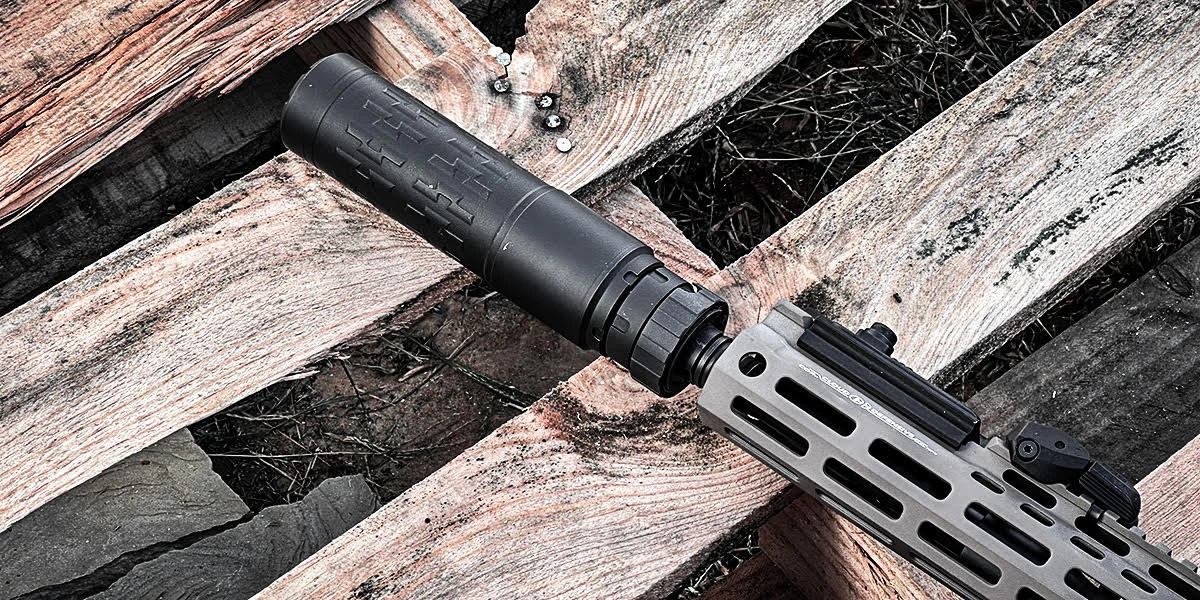
When these already dissipated gases exit into a .30-caliber suppressor, the remaining muzzle pressure is simply too low to exert any meaningful force on the base of the heavy bullet. Instead of forming a high-velocity gas jet that pushes the projectile forward, the low-pressure gas instantly disperses sideways through the baffle stacks. This rapid, early drop in pressure is exactly why the suppressor cannot add substantial velocity—and it is also the precise reason why the .300 Blackout is so incredibly quiet when suppressed.
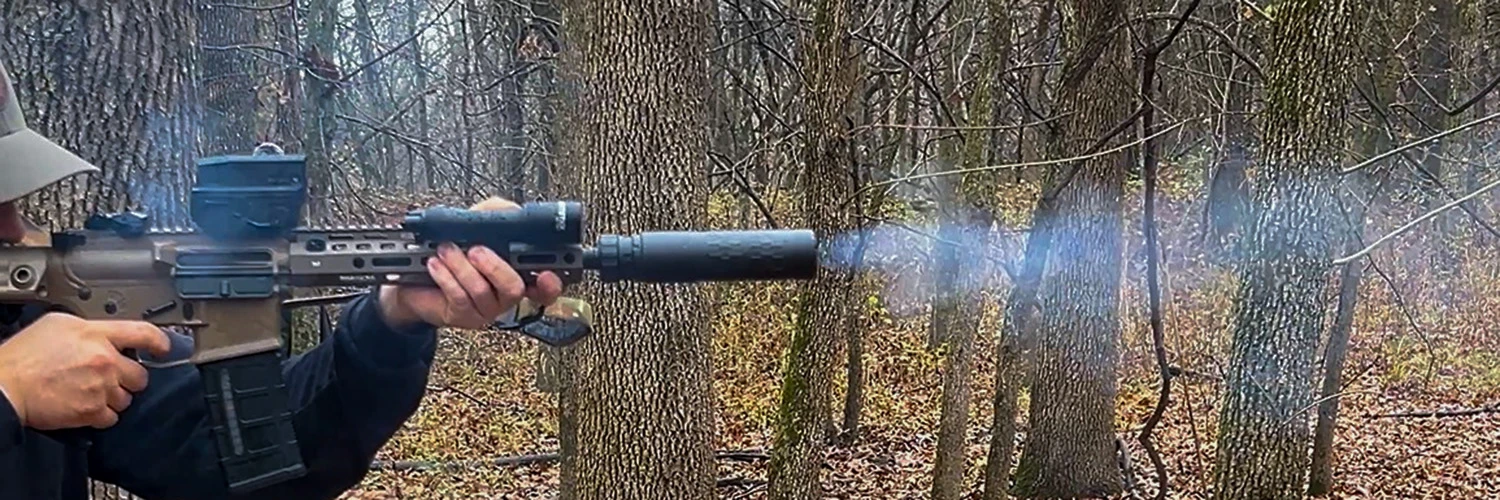
Subsonic vs. Supersonic .300 Blackout Loads
It is worth noting how different cartridge types within the .300 Blackout family respond to suppressor use. The cartridge is famous for its dual nature, pulling double duty as a supersonic hunting round and a whisper-quiet subsonic platform.
Supersonic .300 Blackout ammunition typically pushes 110-grain to 125-grain bullets using a maximum charge of fast-burning powder. Because these rounds operate at higher overall pressures, they can occasionally pick up a minor velocity bump of 5 to 12 FPS inside a tightly gassed suppressor, as the faster propellant expends its final energy.
Subsonic ammunition, on the other hand, uses a heavy 220-grain bullet, traveling below the speed of sound. These loads use even less powder to keep the velocity intentionally low. Because the propellants are fully expended long before the heavy projectile reaches the end of the barrel, the pressure at the muzzle of a subsonic .300 Blackout is remarkably low. The suppressor does its job of trapping noise and flash, but it simply lacks the raw gas energy required to accelerate the heavy projectile any further. When it comes to maximum sound reduction, this is the ideal setting.
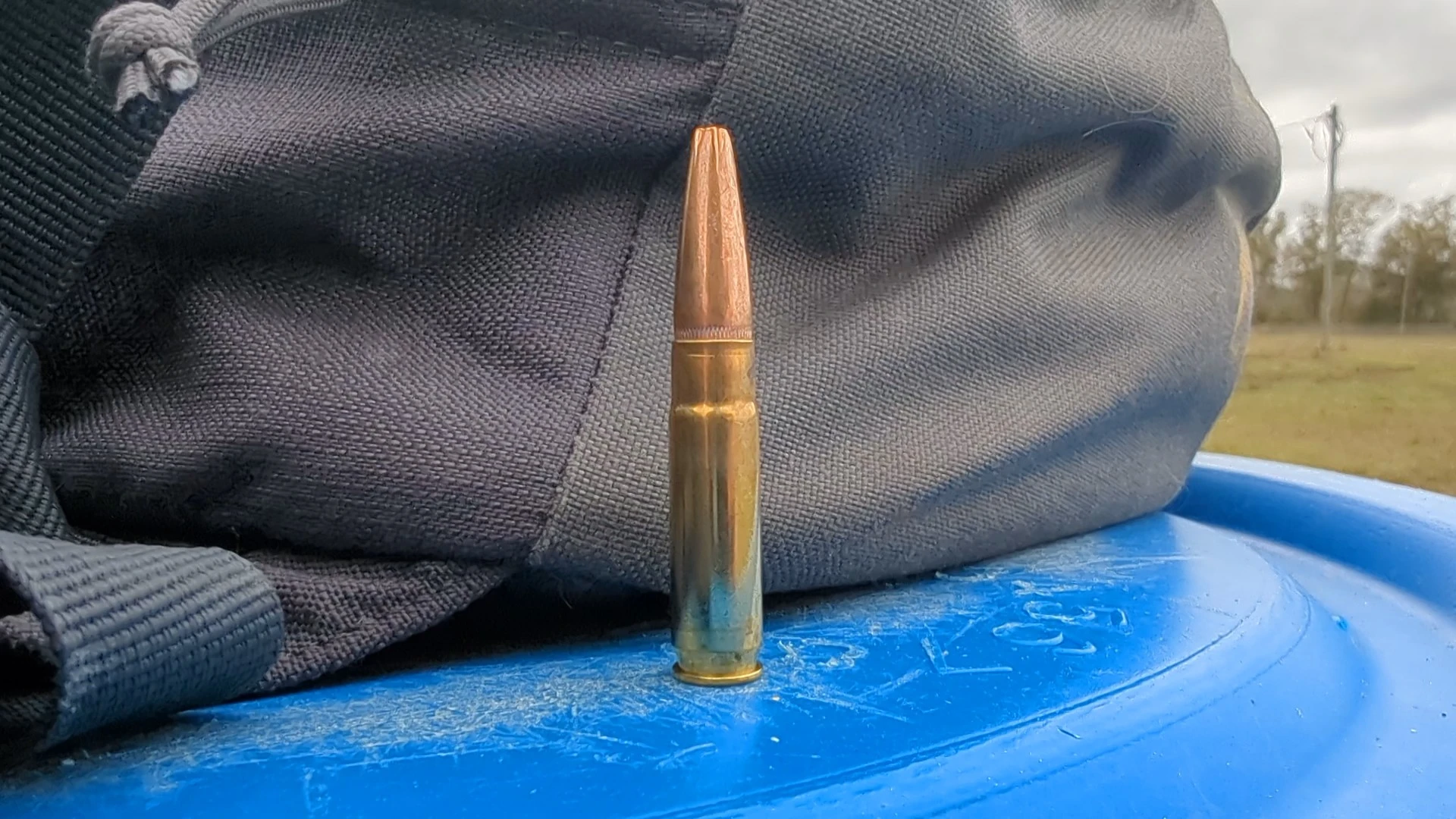
Why the Minimal Velocity Jump is a Benefit
While a massive jump in muzzle velocity sounds exciting on paper, the minimal boost seen in the .300 Blackout is actually an advantage for those wanting a “quiet” shot. The primary goal of shooting subsonic .300 Blackout is to keep the projectile traveling below the speed of sound. This is 1,125 feet per second (at 68 degrees) but can fluctuate depending on the temperature.
If a suppressor added a significant amount of velocity, it could inadvertently push a finely tuned subsonic load right past the supersonic threshold. This would create a loud sonic crack, defeating the purpose of running a silencer in the first place.
So, the magic of .300 blackout is that a subsonic round fired through a quality suppressor equals a quieter shot, which we can all appreciate.
Jason Mosher
He is a graduate of the 294th FBI-LEEDA class and holds a bachelor’s degree in criminal justice administration as well as degrees in business, marketing, and agriculture.
When he is not on the range or typing away at a computer, Jason likes to spend time with his family outdoors or watching a good war movie.
The post Does a Suppressor Add Bullet Velocity to .300 Blackout? (Ballistics Explained) appeared first on SilencerCo.
“]]

