


[[“value”:”
Thank you for reading this post, don't forget to follow and signup for notifications!

Travis Pike
We’ve seen drastic shifts in the modern firearms and accessories market. Two of the hottest accessories on the market today are night optic devices (NODs) and suppressors. Both have become easier to acquire thanks to increased availability.
Suppressors and night vision tend to work well together, complementing each other in numerous ways. However, there are also a few critical situations to watch out for when combining suppressors with night-vision shooting.
Let’s break down why suppressors and night vision go together, and what you should be mindful of when shooting suppressed in the dark.
The Reality of Shooting in the Dark
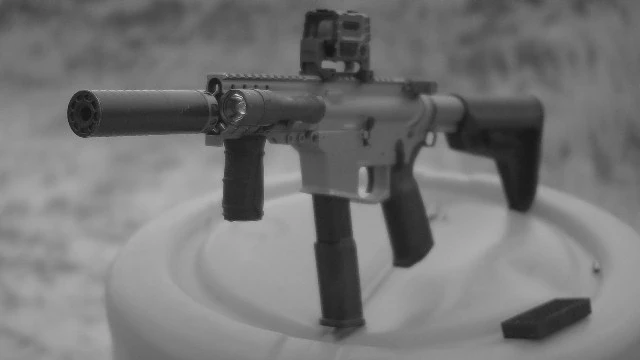
Who wants to shoot under the white light of a standard tactical flashlight if they don’t have to? Night vision offers superior situational awareness, a drastically reduced visual signature, and, honestly, it’s just a lot of fun. Analog night vision works by amplifying available ambient light and near-infrared light.
However, pulling the trigger changes the equation. When you discharge a firearm, hot gas vents out the end of the barrel, creating muzzle flash as it propels the bullet downrange. Muzzle flash is already visible during the day, and at night it becomes a firework. With night vision, that flash is amplified even further.
Why Does Suppressor Flash Under Night Vision Occur?
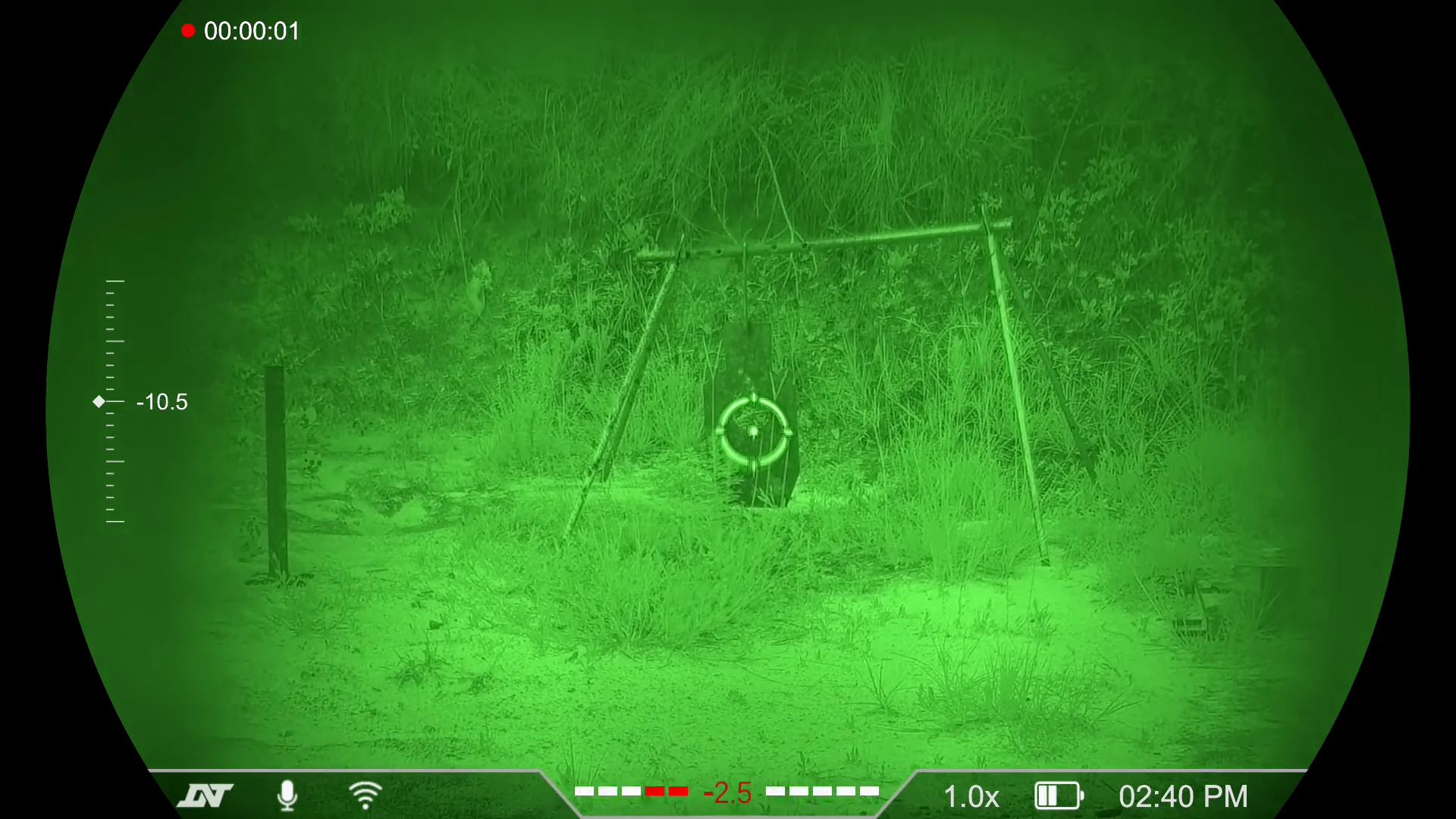
Suppressor flash under night vision occurs because standard night vision goggles (NVGs) can detect substantial infrared flash that is completely invisible to the naked eye. Under night vision, you might be surprised at what you see. If your suppressor doesn’t seem to have a noticeable muzzle flash most of the time, that can change under NODs.
A modern NVG feature called autogate will register that intense flash and instantly dim the goggles’ brightness to protect your eyes. For a split second, the image will bloom brightly, and then the entire view will suddenly dim, making it harder to see your surroundings until the flash clears. Most of the time, however, a suppressor offers superior flash suppression while reducing noise. If you’re shooting at night, signature reduction is going to be one of your major goals, and a suppressor is a big part of that strategy.
This allows you to take faster, more accurate follow-up shots and generally creates a more enjoyable shooting experience. With that in mind, be aware that the first shot through a cold suppressor will often feature a brighter flash than the next shot. This is because the suppressor is full of oxygen, which combusts with the initial hot gas.
Suppressors like the Velos LBP use a flash-suppressing end cap to further reduce muzzle flash and provide an even better shooting experience.
Aiming At Night
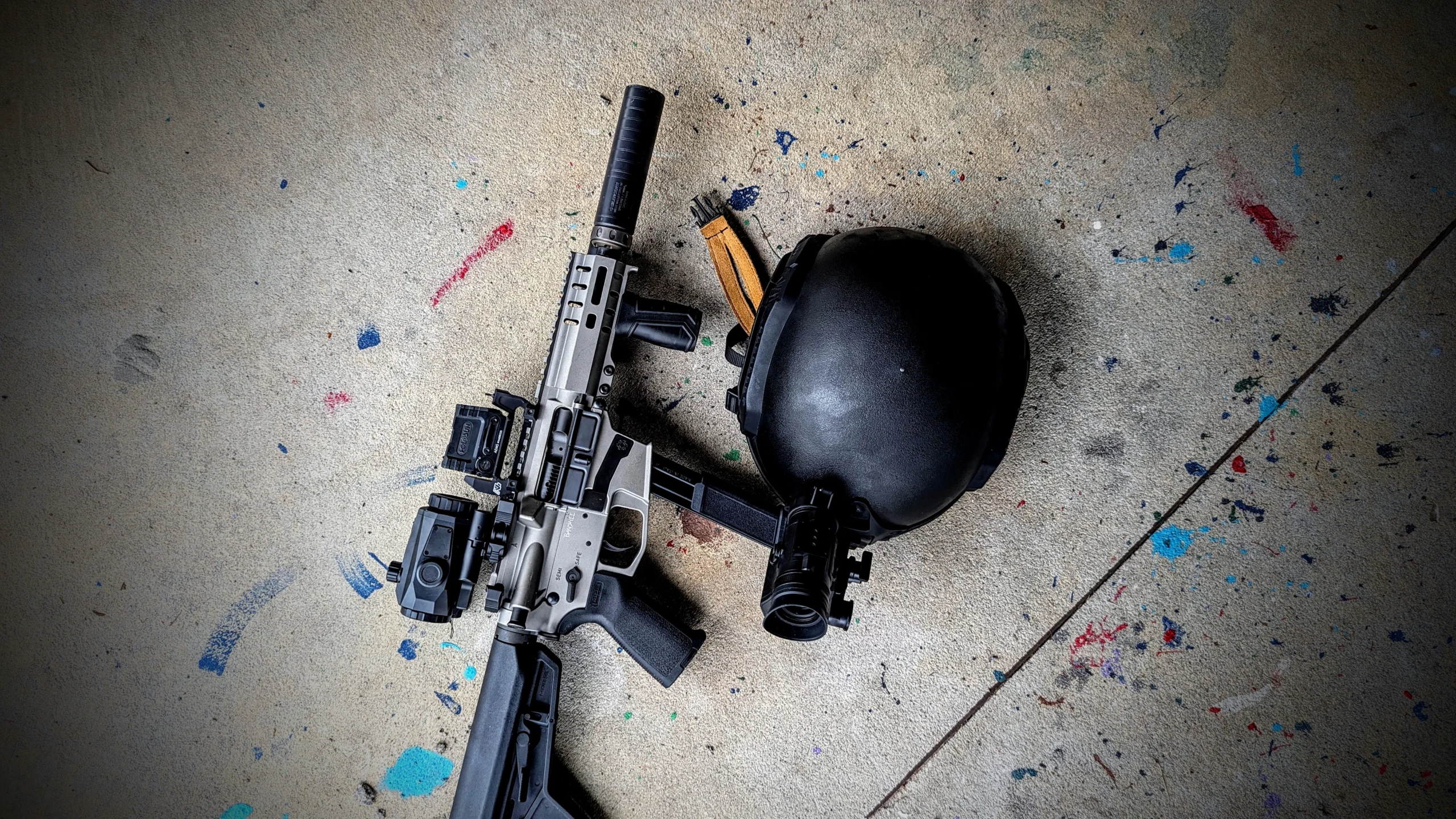
Adding a suppressor changes the rifle’s layout and directly affects how you interface with your night vision setup. A mounted night vision optic or clip-on has less effect on your ergonomics than a dedicated set of NODs strapped to your head. When using helmet or harness-mounted NODs, you have two methods of aiming: passive and active.
Active Aiming
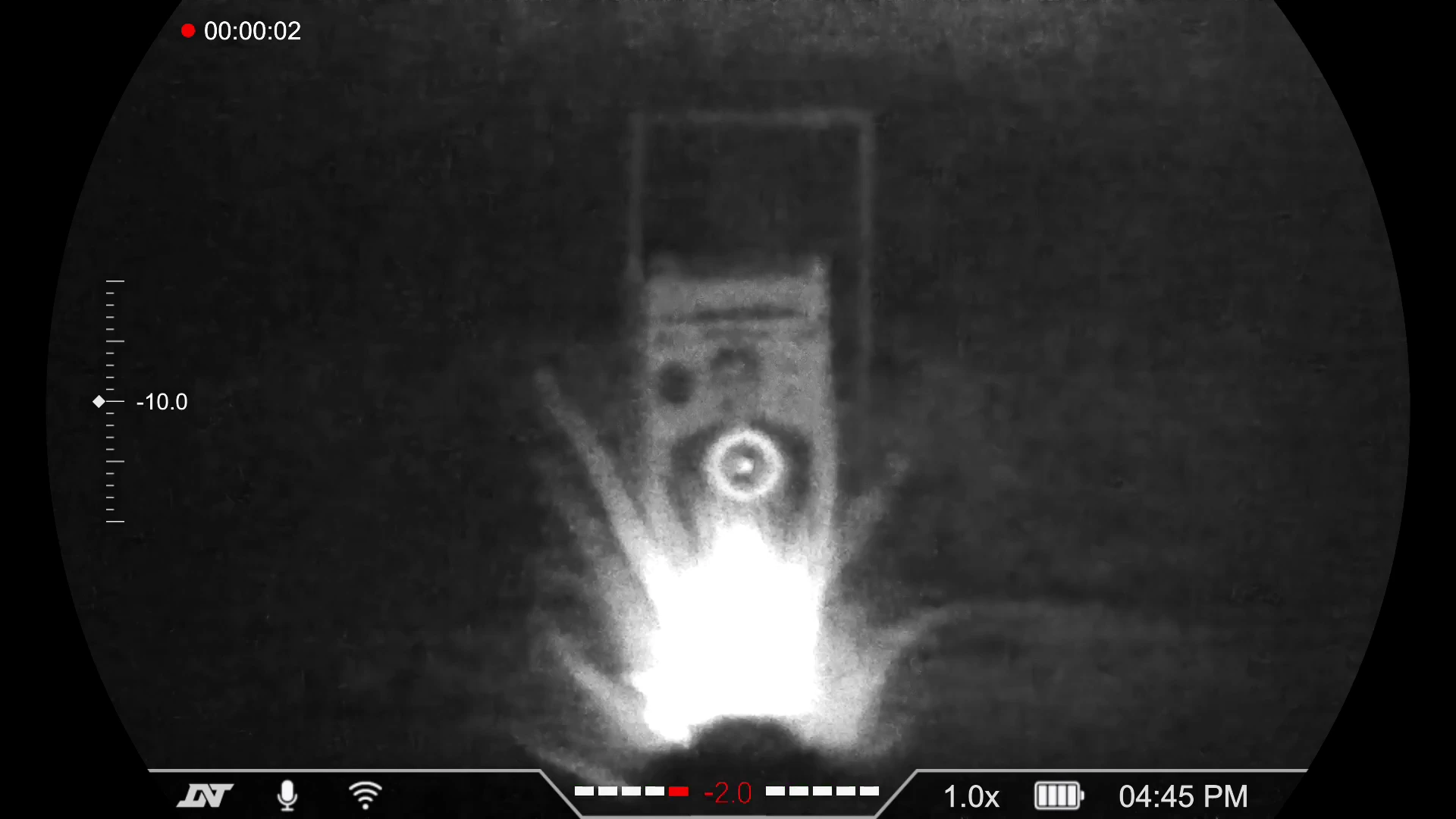
Active aiming uses a dedicated infrared (IR) laser. The laser itself can only be seen by those wearing night vision optics. When shooting suppressed, your muzzle device is rapidly slowing down and cooling hot gas. Consequently, a cloud of gas and particulate tends to hang out in front of the suppressor.
The IR laser can reflect off this gas cloud, creating a bright reflection directly in front of your firearm. This can be distracting, visually noisy, and generally an annoyance. It also gets worse in humid environments.
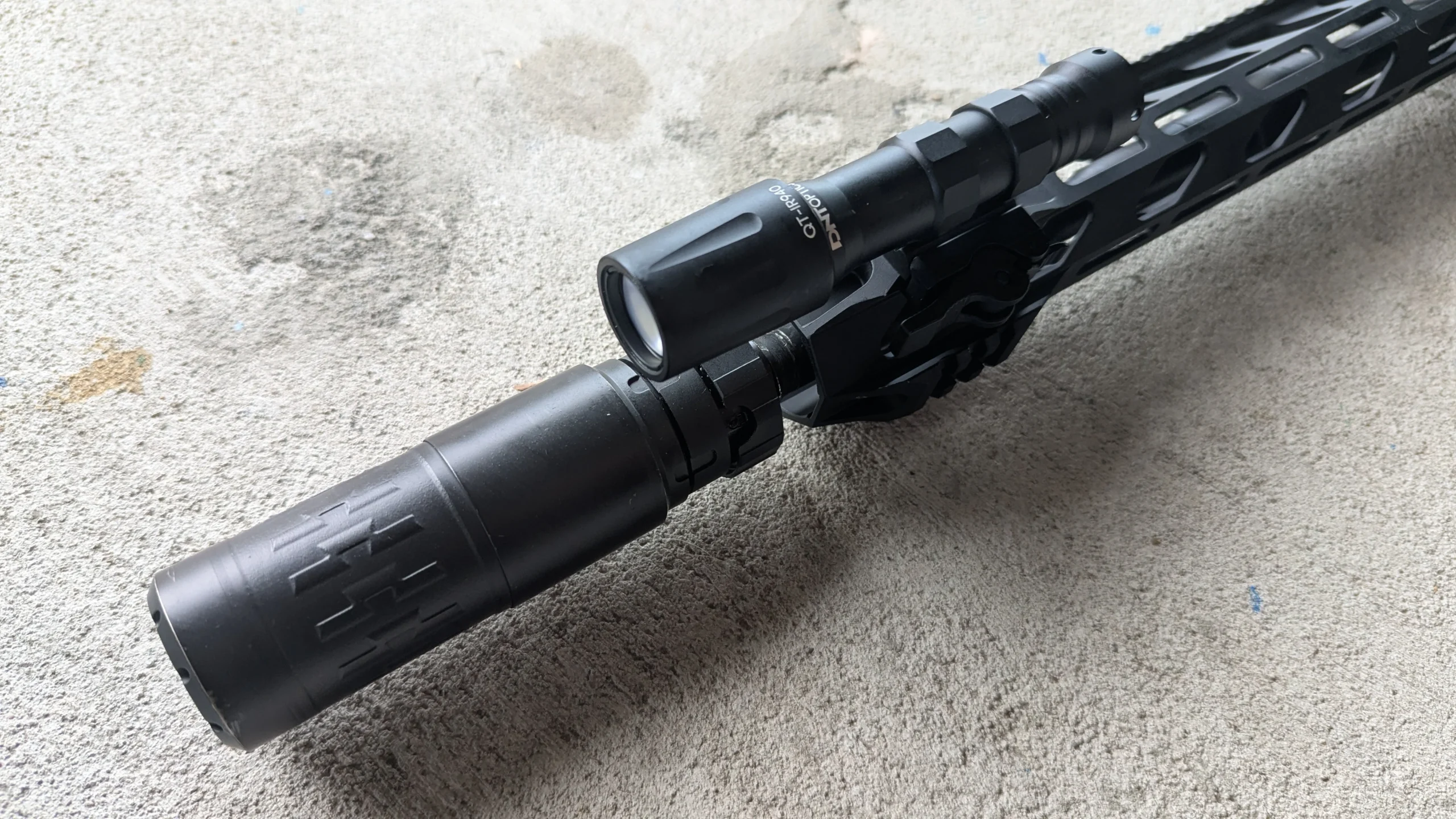
Furthermore, active IR devices often include an IR floodlight feature to improve target identification at night. Because your suppressor will be in front of the IR device, it can get in the way of the IR floodlight, creating a shadow in the middle of the beam. You can mitigate this issue through strategic IR laser placement, longer handguards, and shorter suppressors.
Passive Aiming
Passive aiming means aiming through your NODs using a tall red dot in front of your rifle. This often requires a higher mount to comfortably fit the tubes behind the optic. When shooting suppressed, a lot of rifles are going to emit additional gas backward through the ejection port.
This gas can cling to your night vision lens, creating a distorted, cloudy view that makes seeing your target more difficult than normal.
Additionally, the combination of the riser raising the red dot higher and the suppressor’s front weight can feel awkward with a strict, upright head posture. While it is not impossible to deal with, it is simply less comfortable when shooting overall.
Managing Your Signature In The Dark
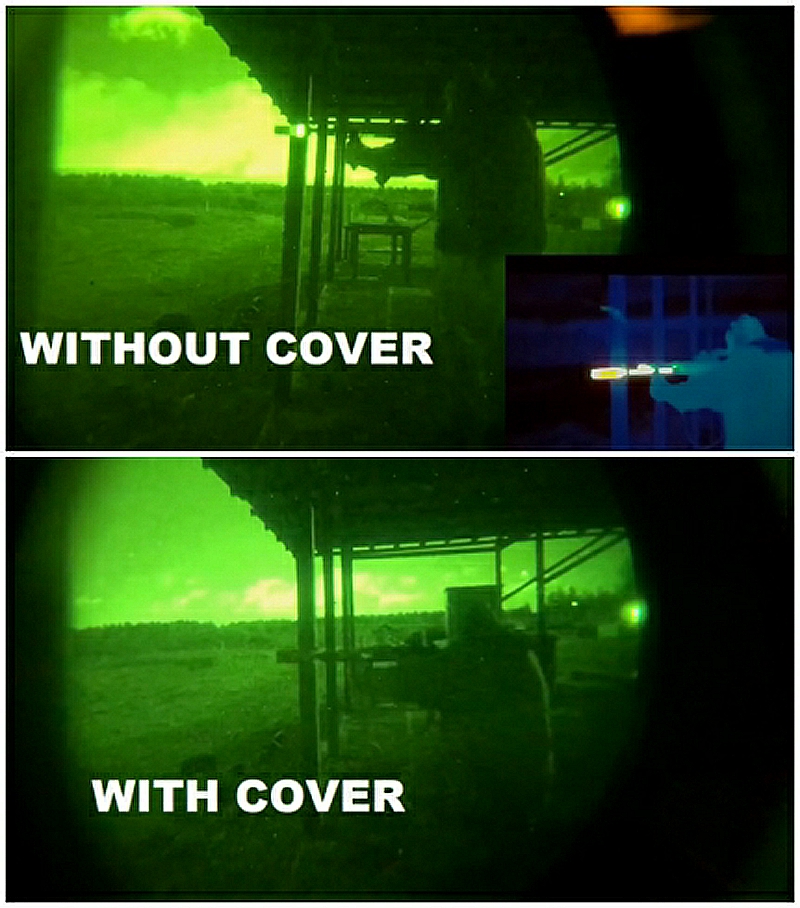
Suppressors get pretty hot pretty quick. This often creates difficulty when pairing suppressors with thermals. Yet, you might still see your suppressor start to glow under night vision. At high temperatures, heat glow becomes visible through NVGs.
As the suppressor gets hotter, the wavelength of thermal radiation starts to shift. When the cans are cool, you won’t see any glowing under NVGs. However, as the can heats up, the thermal emission shifts into the near-infrared spectrum.
The thermal signature of silencers shifts dramatically during rapid fire, transforming an invisible tool into a bright beacon under night vision devices. A couple of magazines rapidly fired through the suppressor can get it hot enough to start glowing under night vision, although this may vary depending on the suppressor. Different materials, calibers, and suppressor designs get hot at different rates.
The problem here is signature detection. A glowing “forbidden popsicle” on the end of your gun stands out to anyone wearing night vision. It can also cause your NVGs to reduce their gain, dimming the area because the system autogates for a brighter environment.
It also stands out a lot when you attempt to passive aim through a red dot—often enough to be annoying while shooting.
How Do You Prevent Suppressor Glow on NVGs?
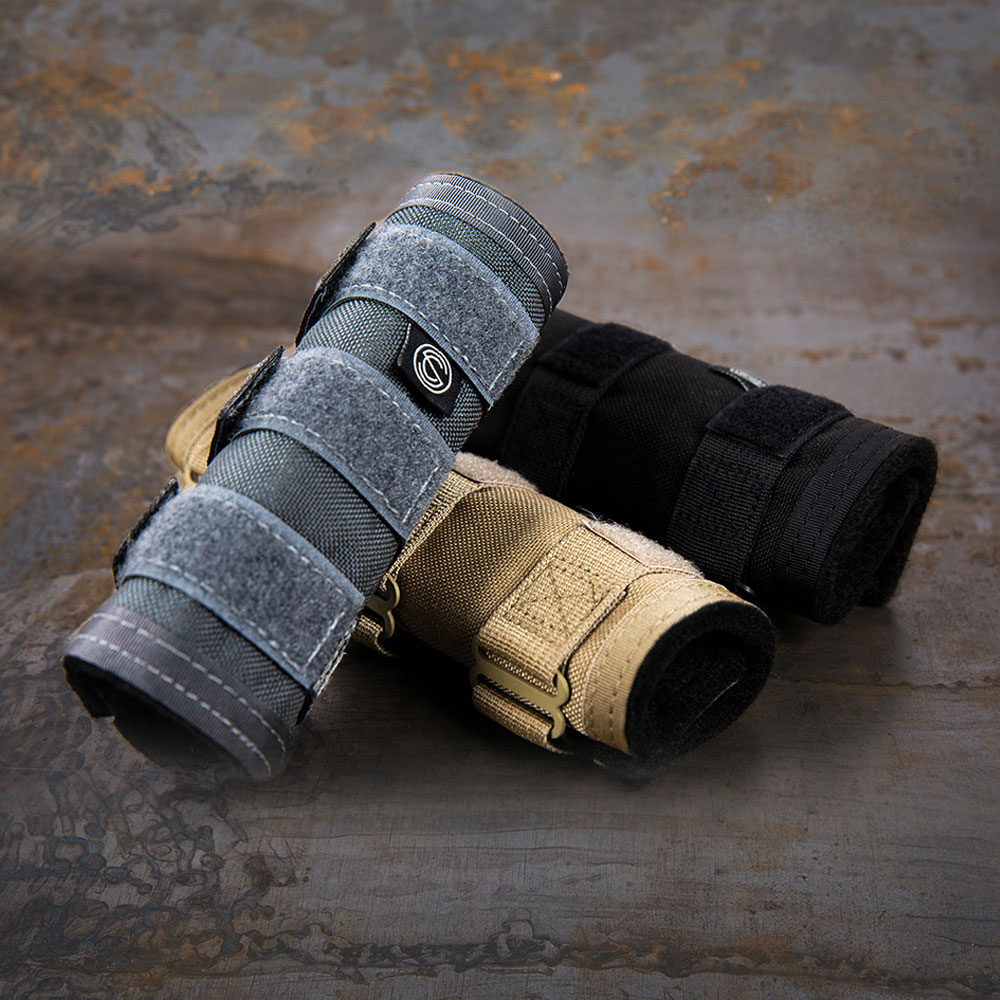
You can prevent suppressor glow on NVGs by utilizing a high-quality thermal suppressor cover—a fabric wrap that acts as a thermal barrier—or by pacing your shots to reduce the heat signature to a more manageable level.
Night Vision Hog Hunting: The Ultimate Use Case
What are most of us going to do with NODs and suppressors if we aren’t in the military or law enforcement? We can shoot and train, sure, but what practical application do they have in the real world? The ultimate answer is night vision hog hunting.
Most states strictly regulate hunting at night, and in many cases, it is entirely illegal. However, an exception is frequently made for wild hogs because they are a destructive, invasive species rapidly spreading throughout the United States.
A good majority of states have relaxed their laws on hog hunting to help control the population. That said, you should always consult your state and local laws regarding hunting at night before heading out.
Nighttime hog hunting is where suppressors and NODs come together like hook and loop. To understand why, let’s look at how each tool changes the game.
NODs and Hogs
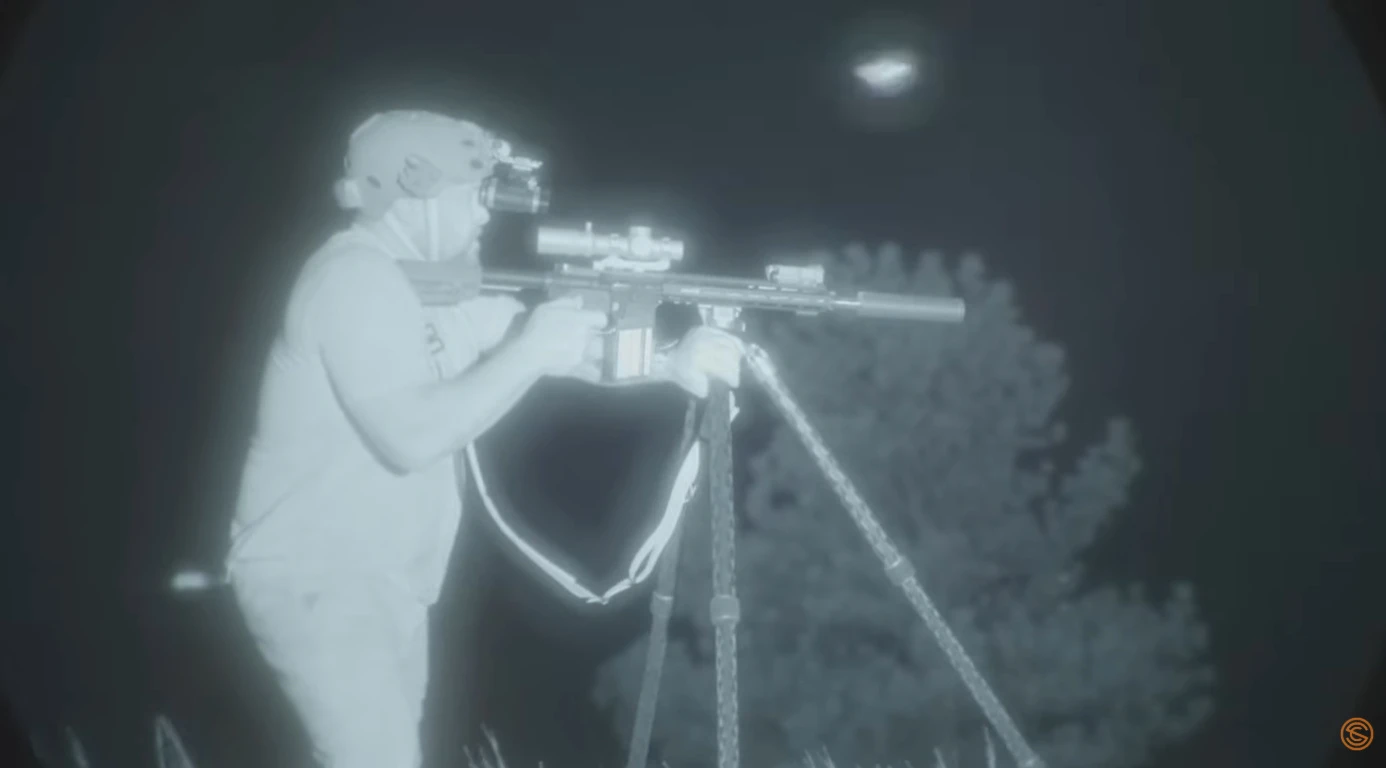
Hogs are nocturnal by nature; they avoid the daytime heat by resting and prefer to move during the early morning, late evening, and well after the sun goes down. You can use traditional white light to hunt them, but doing so comes with distinct disadvantages: it easily spooks the animals and offers very limited range.
NODs allow you to remain concealed while giving you the ability to clearly identify targets from a distance. With night vision, you get significantly more time to aim and take a careful, well-placed shot. If the animal doesn’t fall down instantly, you can easily track the direction it darts.
This allows you to instantly see which way you need to track your prey while maintaining better situational awareness of the rest of the hogs in the herd. After all, no one goes hog hunting with NODs and a suppressor planning to pack it in after taking just one hog.
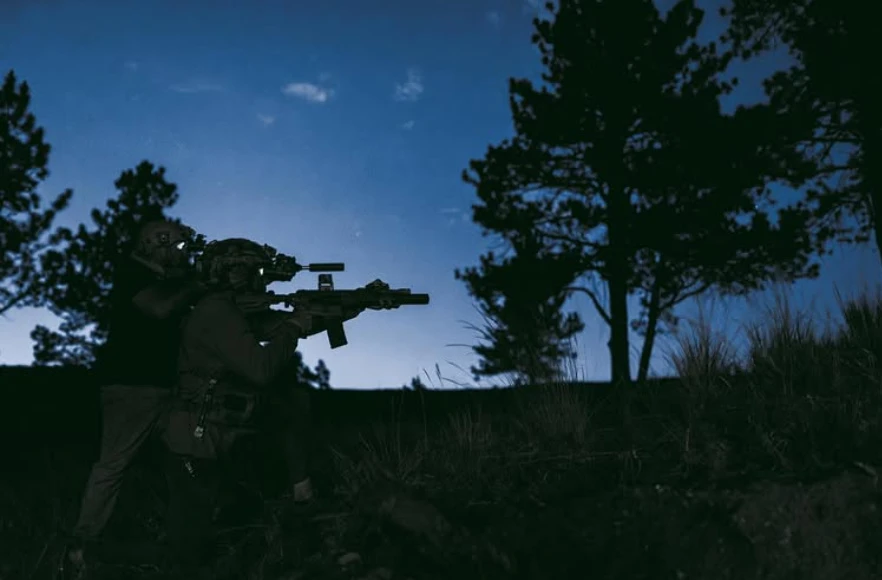
The Stealth Hunter
Suppressors do not completely eliminate the sound of gunfire, and it is still likely that the herd will scatter after your initial shot. However, this reaction is often delayed or minimized depending on your range, caliber, and suppressor selection. You might just get their attention long enough to set you up for a follow-up shot on another animal.
In my experience, a suppressed shot will usually cause the herd to run, but they rarely run very far. Oftentimes, they will sprint 50 yards, stop, and reevaluate their situation. Additionally, even if a suppressed shot scares off your group of hogs, it might not scare off the next group in the next field.
Suppressors also minimize muzzle flash, which is incredibly beneficial when looking through a night vision optic. Because NODs amplify flash, an unsuppressed shot can create a temporary blind spot, potentially causing you to lose sight of your prey. Reducing that flash with a suppressor is a major benefit.
Suppressors are also neighborly. If you’re hunting at night an unsuppressed shot is a lot louder than a suppressed shot and as diurnal creatures the night is for sleeping. Cutting down the noise we make when hunting suppressed is just the polite thing to do.
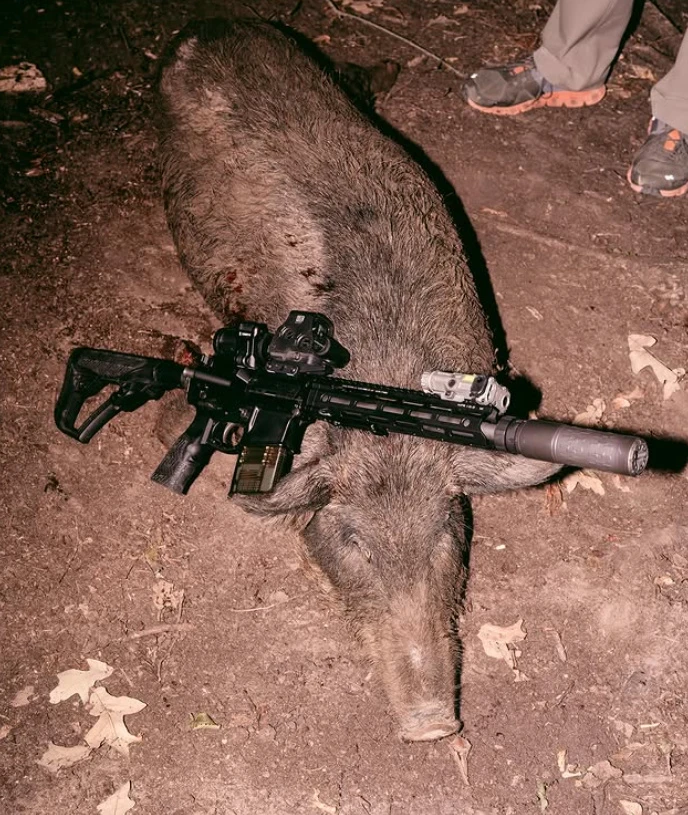
Dominate the Dark
Suppressors and night vision are best buds for low-light shooting. They tend to make the experience more manageable and more enjoyable for not only you, but also any other shooters on the line. Sure, they have some problems, but they are typically small and easy to mitigate.
It’s one of the most enjoyable shooting experiences available, especially if you’ve spent most of your time shooting when the sun’s up. Give it a try and unlock an entirely new realm of shooting.
Travis Pike
The post Shooting Suppressed at Night: NVGs, Flash, and Thermal Explained appeared first on SilencerCo.
“]]

