

[[{“value”:”
Thank you for reading this post, don't forget to follow and signup for notifications!
By Deputy Chief Brian Wilson
Retail theft has grown into a persistent challenge, resulting in direct losses to retailers, higher prices for consumers and strains on public safety resources.
In Anchorage, Alaska, police officers and community members witnessed theft trends firsthand: brazen grab-and-go incidents, vehicles loaded with stolen goods and everyday items locked behind cases. Encounters sometimes escalated when offenders assumed store policies would prevent intervention, leading to confrontations that jeopardized safety.
The stakes and the opportunity
Experience shows retail theft rarely occurs in isolation. Individuals involved often intersect with other criminal activity, which compounds safety risks for neighborhoods. The “petty” label obscures the reality that community well-being is directly affected: Quality of life diminishes, businesses face higher operating costs and residents ultimately pay more. Recognizing the broader impact reframes theft as a public safety problem that warrants focused, data-driven attention.
At the same time, Anchorage Police confronted the practical constraints shared by many agencies: short staffing and the need to prioritize calls involving the greatest public harm.
A turning point: From observation to action
Anchorage’s pivot began when I attended Axon Week in 2025. As the department prepared for an Axon partnership to integrate technology initiatives throughout the organization, I happened to sit in on a session about retail theft. The presentation introduced Auror — pronounced “aura” — a retail crime intelligence platform already in use by many of Anchorage’s major retailers. What stood out was not just the software, but the connected ecosystem retailers had built around it. Loss prevention and asset protection teams were documenting incidents, evidence, trespass notices and itemized losses in the system. Auror created the Retail Crime Hub that law enforcement could access, search and act upon (with retailer permission).
For Anchorage, this was the bridge between limited resources and smarter enforcement. Auror centralizes incident data, makes repeat-offender patterns visible across locations and brings surveillance images, receipts and reports into a single, searchable interface for investigators. Instead of piecemeal file transfers, phone tag and long drives to collect thumb drives, officers can review digital case packets, communicate directly with store partners and move faster on warrants and prosecutions.
How the platform works in practice
To understand how the partnership produced results, it’s important to examine how the platform helped officers identify patterns, build stronger cases and focus resources on the most prolific offenders.
- Unified incident view: Businesses securely report thefts and upload evidence. Auror consolidates these inputs so law enforcement can link related cases, prioritize offenders and coordinate across retailers.
- Searchable patterns: Investigators can query by value, frequency and distinctive characteristics, enabling targeted investigations rather than reactive casework.
- Evidence integration: The Retail Crime Hub ties into Axon Evidence, streamlining transfer and review. This eliminates multiple legacy steps — dispatch entry, on-scene media collection and physical evidence submissions — so officers spend more time on analysis and enforcement.
Traditional policing typically organizes work around individual case files, which are only later connected once investigators identify the same suspect across multiple incidents. One Auror data point found roughly 70% of stolen value was attributed to about 10% of persons of interest, suggesting that concentrating effort on the most impactful offenders could change outcomes. In contrast, the Retail Crime Hub begins with a subject-focused file that automatically aggregates related incidents as retailers report them. This structure creates immediate investigative efficiency and reveals patterns that would otherwise remain hidden. A single $50 theft may seem minor in isolation, but when the same individual is stealing from multiple stores every day, the cumulative impact becomes clear.
By surfacing these connections early, the platform enables officers to identify high-impact offenders quickly and act on meaningful, community-level harm.
Implementation in Anchorage
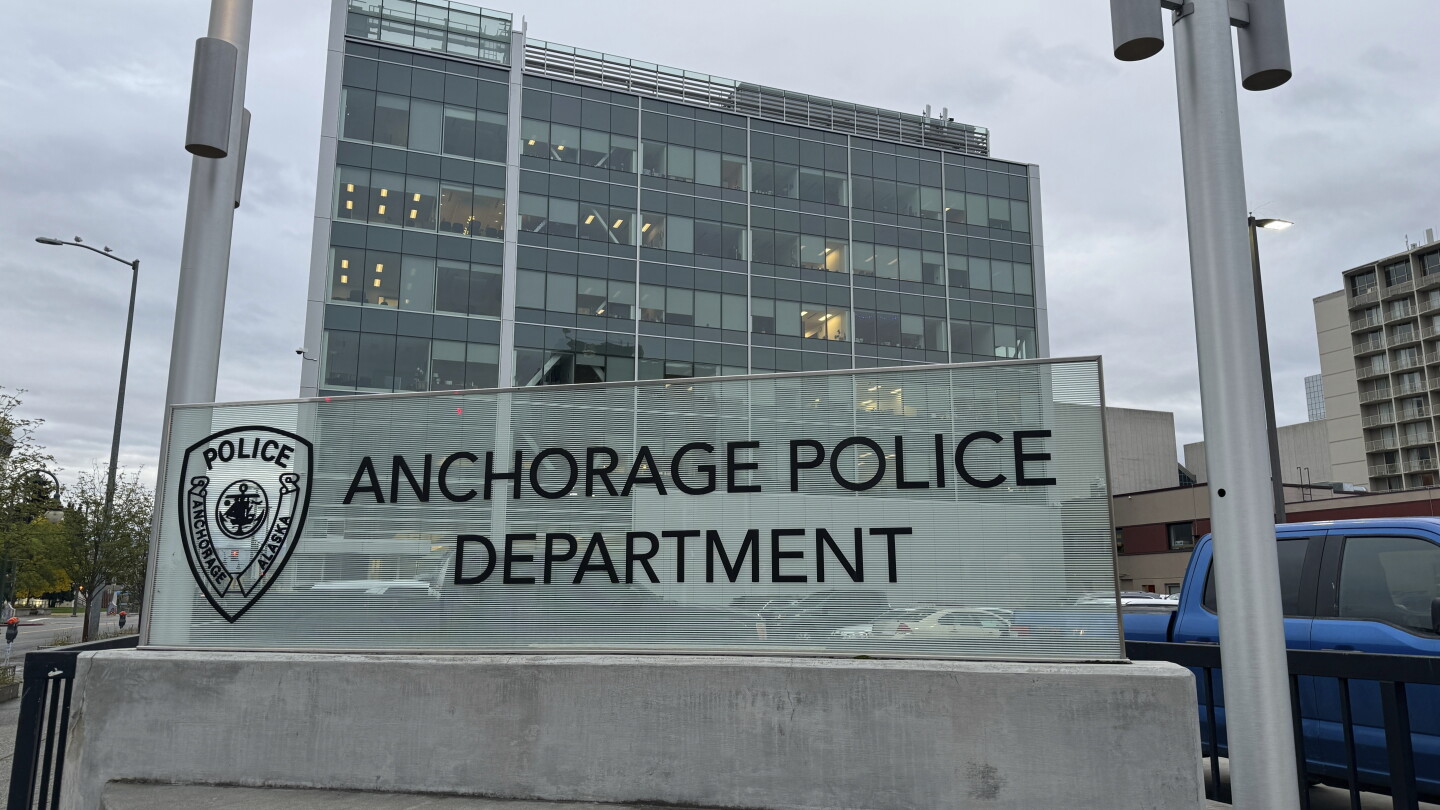
The Anchorage Police Department formalized its partnership with Auror and paired technology with structure: A dedicated Retail Theft Unit was established and three officers from patrol were assigned to stand up the program. Their first priorities were to learn the platform, reconstitute the Alaska Organized Retail Crime Association (AKORCA) and cultivate working relationships with loss prevention teams, who now had police partners reviewing their submissions in the Retail Crime Hub.
To concentrate on impact, the team built two working lists: Top 20 by value and Top 20 by incident count. That focus aligned with Auror’s “10%/70%” insight and helped officers assemble stronger, multi-incident cases against repeat offenders. The unit also briefed the district attorney’s and prosecutor’s offices on the improved quality, completeness and traceability of evidence available through the platform to ensure case adoption and successful prosecutions.
Outcomes: Accountability, efficiency and safer stores
Early results showed measurable efficiencies: real-time access to incident reports, shared suspect information and reduced administrative time for officers and investigators. With centralized data and clearer offender patterns, APD saw increases in arrests and prosecutions for retail theft cases while keeping more officers on the street to address calls for service. “Simple” cases could go from report to warrant in as little as 45 minutes.
Retail partners benefited as well: Improved reporting, faster law enforcement engagement and coordinated enforcement helped reduce losses and enhance employee safety, strengthening confidence in public-private partnerships. These changes are restoring momentum toward safer, more welcoming stores.
In five months, with three investigators, Anchorage’s early outcomes reflect both scale and effectiveness:
- 223 prosecuted cases totaling $151,309.01 in losses
- 471 investigated cases totaling $265,430.55 in losses
- 251 arrests or warrants resulting in 495 total charges

Lessons for modern policing
Experience underscores a broader principle labeled ‘technology/and,’ meaning technology alone rarely solves a problem. Technology and collaboration can transform how agencies respond to high-volume, ‘petty’ crimes that carry outsized community impact. Centralized data, shared evidence and targeted investigations allow departments to do more with constrained staffing while elevating accountability for repeat offenders.
As retail crime continues to evolve, agencies that combine strong partnerships with effective technology will be better positioned to identify repeat offenders, improve investigative efficiency and enhance public safety outcomes.
About the author

Deputy Chief Brian Wilson has been a police officer with the Anchorage Police Department since 2007. He has held many positions during his time with APD including Firearms Instructor, Patrol Sergeant, Special Operations Lieutenant and is currently the Deputy Chief of Operations.
In the role of Deputy Chief, he has stood up the Retail Crime Unit, which has been successful in addressing shoplifting at local retailers in Anchorage. He holds a Master’s in Business Administration from the University of Alaska Anchorage and is a graduate of the 279th session of the FBI National Academy.
“}]]

