

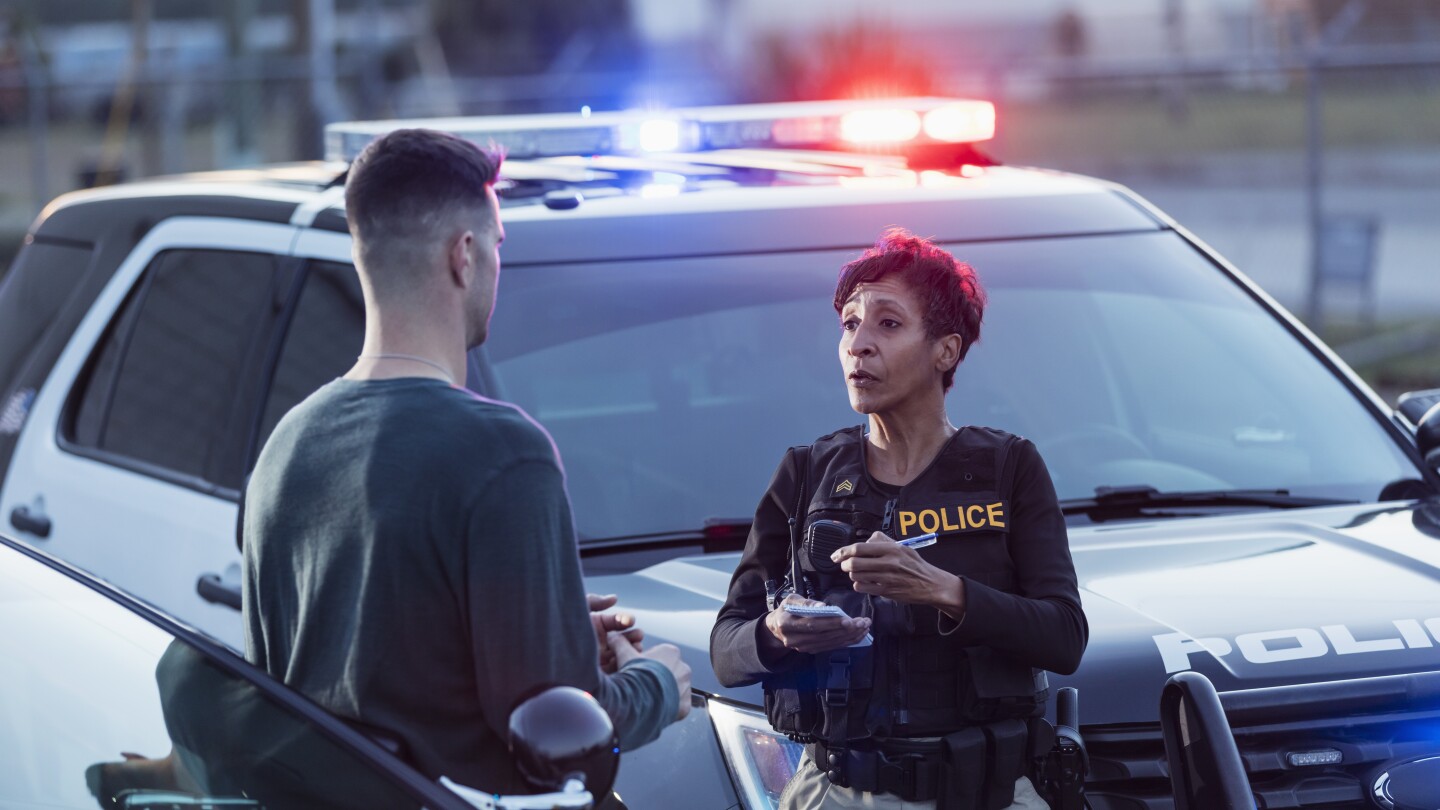
Narcotics investigations rarely unfold in a straight line. Sometimes they start with surveillance, sometimes with a tip, sometimes with an informant, sometimes with a digital lead, and other times with a simple traffic stop that uncovers something bigger. No matter how an investigation begins, the most important element in developing a strong narcotics search warrant is the post-arrest debrief. A solid legal foundation matters, but the debrief is often what transforms a routine possession arrest into a multi-warrant, multi-suspect investigation, with information gleaned from it bolstering residential or digital search warrants.
Thank you for reading this post, don't forget to follow and signup for notifications!
Let’s review how law enforcement can move from a narcotics traffic stop to a conspiracy case and how these cases can gain fast, legal momentum.
A lawful stop as one possible starting point
When I was working narcotics, the patrol officers at my agency learned how to efficiently navigate these situations and were extremely good at turning traffic stops into roadside debriefs before sending them to investigations. As a unit, patrol played a vital role in the intelligence game, and many cases got their legs with this style of initial contact.
A traffic stop is just one example — not the only way — to initiate a narcotics case. If an officer witnesses a traffic violation, the stop is lawful regardless of underlying motives (Whren v. United States, 1996). If evidence is clearly visible, the plain-view doctrine applies (Texas v. Brown, 1983). Should probable cause develop, the automobile exception allows a warrantless search due to the vehicle’s mobility (Maryland v. Dyson, 1999), an updated reaffirmation of Carroll. If contraband is discovered, a lawful arrest follows, and this opens the door to a properly Mirandized interview.
Again, this is one scenario, not a universal template. Agencies operate under different statutes, precedents and local rules. That is why constant communication with the CA/DA and chain of command is essential. Every jurisdiction has its own expectations, tolerances and preferred language.
The tactical debrief: Where the bigger case begins
For the purpose of this article, I am focusing specifically on debriefs involving cooperators, not confidential informants. (I will have other articles on that subject, as well as deconfliction, multi-agency cases and operations planning.) Once Miranda rights are provided and voluntarily waived, the goal is simple: draw out truthful, self-incriminating information that establishes reliability and expands investigative scope.
As I’ve repeatedly seen in my own cases, suspects who choose to talk after Miranda can provide incredibly detailed information about supply lines, buying habits, and local distribution networks. These statements against penal interest (Federal Rule of Evidence 804(b)(3)) carry significant evidentiary weight (Williamson v. United States, 1994) and often serve as the backbone of a residential or digital search warrant.
A high-quality narcotics debrief should be structured and purposeful. The tone matters. You’re not interrogating — you’re mapping a criminal ecosystem.
Key debrief questions include (but are not limited to):
- How long have you been in the meth game?
- How long have you been selling? To whom?
- What’s the most you’ve bought at one time?
- Do you buy from the same person? Who is it, and how often?
- How does your supplier re-up? How much do they have?
- Have you ever introduced someone to your connect?
- How do you communicate — text, Facebook, Snapchat?
- How do you pay — cash, Venmo, Cash App?
- Do you travel to pick up? Where? Who else is there?
- Are there any kids, weapons, or traps?
- Who else is selling locally? Do they use the same supplier?
- Are you on paper? Is anyone in your circle?
- Does your connect sell cocaine, fentanyl, ecstasy, or guns?
These questions are designed to uncover frequency, quantity, patterns, co-conspirators and digital pathways. Most importantly, they provide narrative details that judges and prosecutors see as credible. Also, depending on how the suspect answers, information may be obtained that can influence your investigation from an operational standpoint. For example, certain answers could create a pathway for an undercover introduction, the addition of other agencies into the case, or the early identification of potential obstacles.
Digital search warrants and getting receipts
In modern narcotics cases, digital evidence can be absolutely critical. I emphasize this heavily in my own work: always get receipts.
If the suspect shows you text messages, Messenger chats, payment confirmations, or photos, screenshot them, photograph them, and document them. Depending on jurisdiction, these images can be embedded directly into the affidavit, and I have personally done this on multiple occasions. I would generally request consent from the cooperator to digitally or manually conduct a cellular phone extraction in order to obtain the information I need.
A well-placed screenshot showing drug negotiations, payment exchanges, or location arrangements can significantly increase the likelihood of a warrant being signed.
Translating debrief data into probable cause
A tactical debrief must be converted into a clean, chronological affidavit. This means:
- Using direct quotes.
- Showing frequency and duration of purchases.
- Linking behavior to criminal statutes.
- Including receipts, images, and screenshots.
- Explaining how the suspect knows what they know.
- Describing the dealer’s residence, vehicles, patterns, and habits.
Judges appreciate clarity. They want to see how you know what you know, not assumptions or shortcuts.
Conclusion
No matter how a narcotics investigation begins, the tactical debrief remains one of the most powerful tools an investigator has. When done correctly — lawfully, conversationally and with attention to detail — the debrief generates reliable statements, identifies digital and physical evidence streams, and supports well-crafted search warrants. Combined with solid communication with prosecutors and command staff, and reinforced with digital receipts, the tactical debrief transforms ordinary arrests into strategic narcotics cases, where a simple possession case (from the original traffic stop) can evolve into a multi-person conspiracy case with larger weights and greater community impact.
Tactical takeaway
After every narcotics arrest, slow down and debrief with purpose. Document statements, capture digital evidence immediately, and build your probable cause in real time while the information is fresh.
References
Berghuis v. Thompkins, 560 U.S. 370 (2010).
Maryland v. Dyson, 527 U.S. 465 (1999).
Miranda v. Arizona, 384 U.S. 436 (1966).
Texas v. Brown, 460 U.S. 730 (1983).
Whren v. United States, 517 U.S. 806 (1996).
Williamson v. United States, 512 U.S. 594 (1994).

