


There’s a striking image coming out of western North Carolina right now: firearms laid out on tables, cut apart with saws, then hammered into garden tools, crosses, and jewelry.
Thank you for reading this post, don't forget to follow and signup for notifications!
It’s the kind of story that grabs attention and for good reason.
According to reporting from NPR, a group called RAWtools South is working with volunteers, pastors, and blacksmiths to literally transform unwanted firearms into something else entirely. A shotgun barrel becomes a garden spade. A slide becomes a pendant. A weapon becomes a symbol.
On its face, it’s hard to argue with the intent.
Some of the people involved have deeply personal reasons. One woman, Teresa Schrachta, lost her 19-year-old son to suicide while he was serving in the Marine Corps. She describes taking part in the process (pounding the firearm, reshaping it) as a form of release, even healing.
“It’s this hard thing that goes in, and it comes out soft,” she said.
And that’s where this conversation gets complicated.
Because while the emotional and symbolic value of something like this is real; the practical question still hangs in the air:
Does any of this actually reduce violence?
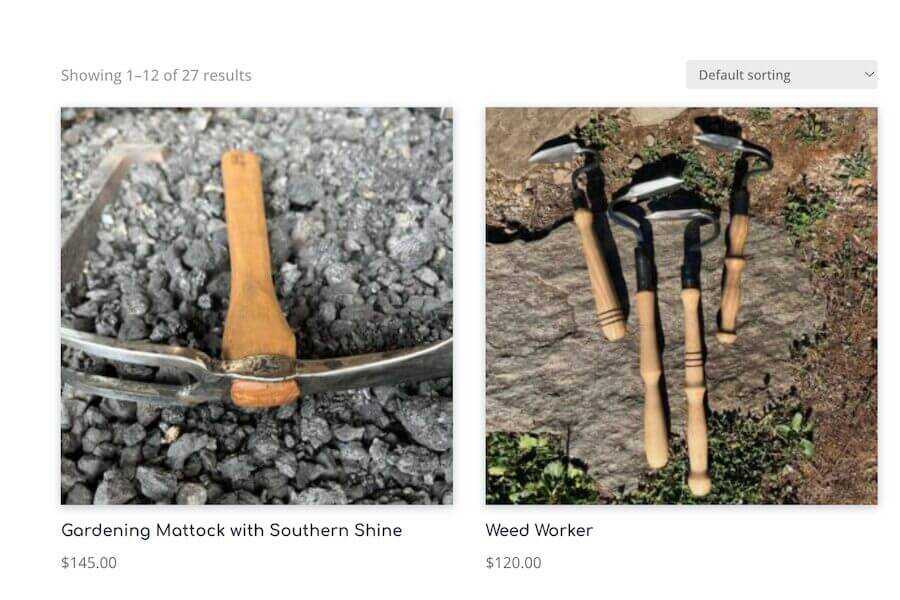
Table of contents
- Symbolism vs. Reality
- The Human Element
- Where This Fits in the Bigger Debate
- Feel-Good Moment or Real Impact?
- Final Thought
Let’s start with what this is and what it isn’t.
This is not a policy proposal. It’s not legislation. It’s not even particularly widespread. And, it’s a localized effort built around voluntary participation and personal choice.
People are bringing in guns they don’t want. Guns they inherited. Guns they don’t feel comfortable keeping. In many cases, firearms that would otherwise sit in a closet or be sold.
Instead, they’re being destroyed.
From a purely mechanical standpoint, that’s the end of the story for those specific firearms. They’re gone. They’re not entering circulation.
But zoom out.
The United States has hundreds of millions of privately owned firearms. The number of guns being cut up in a church parking lot (even if the effort grows) is a rounding error in the broader picture.
And more importantly: The guns being destroyed here are not the ones driving crime.
Criminals are not sourcing their firearms from voluntary surrender programs run by pastors and blacksmiths. They’re not turning in guns to be melted down into gardening tools.
So if the goal is to meaningfully impact violent crime, it’s fair to ask whether efforts like this move the needle at all.
But focusing only on crime statistics misses part of what’s going on here.
For people like Schrachta, this isn’t about policy. It’s about grief.
The NPR report points out that someone dies from gun suicide in the U.S. every 19 minutes. That’s not a talking point. It’s a reality that hits families in a way statistics never can.
And in that context, the act of destroying a firearm tied to trauma of reshaping it into something else takes on a different meaning.
It’s not prevention in the traditional sense. It’s closure. And there’s value in that, even if it doesn’t show up in crime data or policy debates.
Still, the broader framing matters. Especially when stories like this are presented as part of the “solution” to gun violence.
Because at the end of the day, guns don’t act on their own. They don’t decide to commit crimes. They don’t initiate violence. Someone has to pick them up and pull the trigger.
That’s the uncomfortable truth that often gets sidestepped in conversations like this.
Turning a firearm into a shovel might feel meaningful but it doesn’t address:
- criminal behavior
- mental health breakdowns
- or the underlying causes of violence (drugs, alcohol, family trauma)
It changes the object. Not the actor.
So where does that leave us?
Programs like RAWtools South are likely to continue getting attention because they offer something rare in this space: a story that feels constructive, even hopeful.
And for individuals dealing with loss or trauma, that’s not nothing. But if we’re being honest, this is less about solving a problem and more about processing it.
There’s a difference between:
- reducing violence
- and coping with its aftermath
This clearly falls into the latter.
There’s nothing wrong with people choosing to get rid of firearms they don’t want. There’s nothing wrong with finding meaning in that process.
But it’s worth asking, especially as these stories gain traction: Are we looking at a meaningful solution… or just something that feels like one? Because those aren’t always the same thing.
What say you? Would you participate in a RAWTools South program?
*** Buy and Sell on GunsAmerica! ***
Available on GunsAmerica Now
Instant Checkout
Glock
$749.99
Buy NowInstant Checkout
Glock
$799.00
Buy Now
Instant Checkout
Glock 42
$479.99
Buy Now
Instant Checkout
Glock 27
$499.99
Buy Now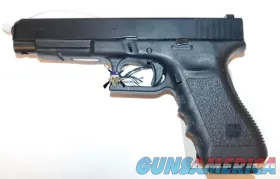
Instant Checkout
Glock 35
$529.99
Buy Now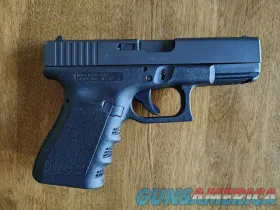
Instant Checkout
Ships in 24 hours
Glock 23
$400.00
Buy Now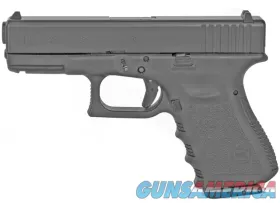
Instant Checkout
Glock 23 (PI2350203)
$599.99
Buy Now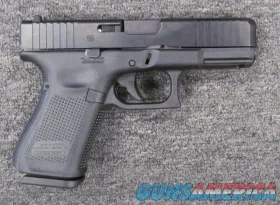
Instant Checkout
Glock 19V (PV1950203)
$649.99
Buy Now
Instant Checkout
Glock Model 26
$629.00
Buy Now
Instant Checkout
Glock 35 (PI3530103)
$699.99
Buy Now

