

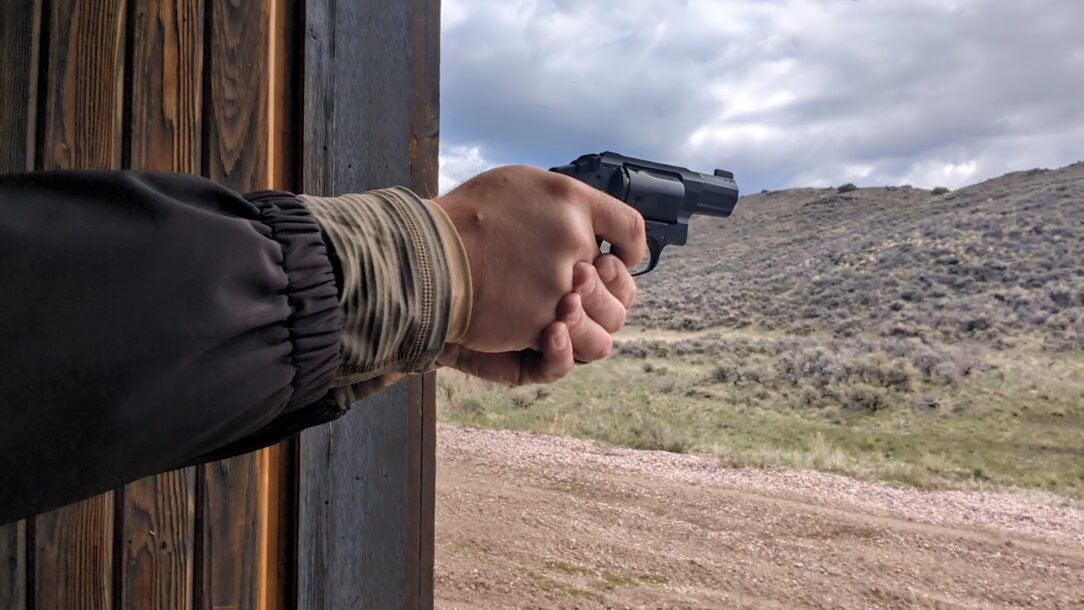
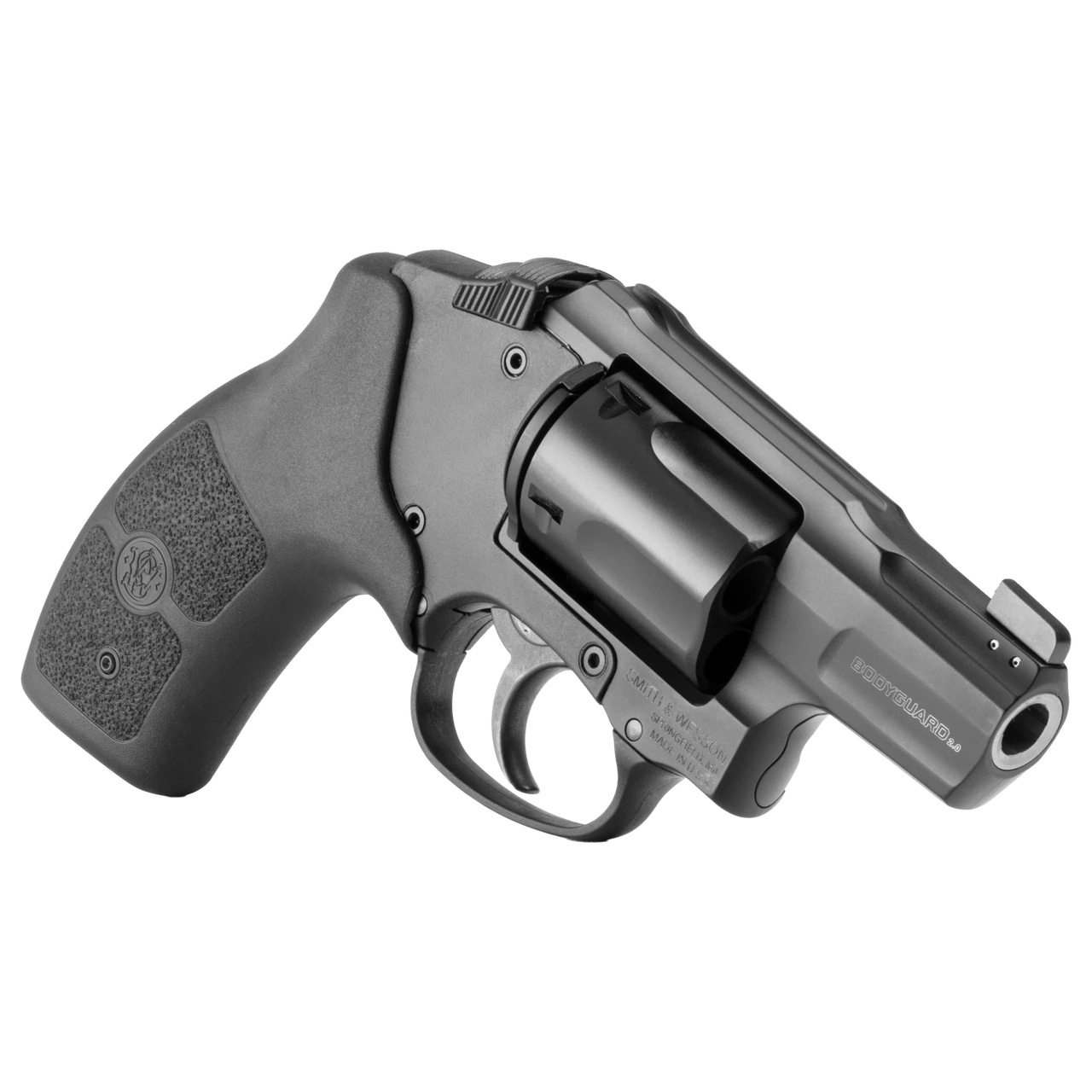
The Smith & Wesson Bodyguard lineup is not a new series. The snub-nose revolver variants have been around for a long time, and a while back, S&W introduced the Bodyguard .38 and .380. The revolver was famously made of polymer, making it one of the first to do so.
Thank you for reading this post, don't forget to follow and signup for notifications!
The budget-priced gun was mostly fine, but I had my gripes about it. After S&W decided to revive the lineup with the Bodyguard .380 2.0, it only seemed appropriate that the Bodyguard .38 would premiere in a 2.0 configuration. This year, S&W finally hit us with a new Bodyguard .38 2.0. At Rendezvous 2026, I got to shoot the little gun and walked away impressed.
- The Sights
- The Grips and Trigger
- The Rest of the Bodyguard 2.0
I disliked the original “new” Bodyguards, but the BG .380 2.0 blew me away, so I had high hopes for the .38 variant. Guns like the new 940 and 432 UC have made me experiment with revolvers, largely because they have a real rear sight. Trenches just do not work well for me; it is not something I can master.
Advertisement — Continue Reading Below
However, a pronounced rear sight completely changed my perspective on what snub-nose revolvers are capable of. For me, the biggest improvement between generations of the polymer Bodyguard is the rear sight molded into the top strap. It is not dovetailed, but it is large enough to be easily seen, and the bright front is clear and easy to see.
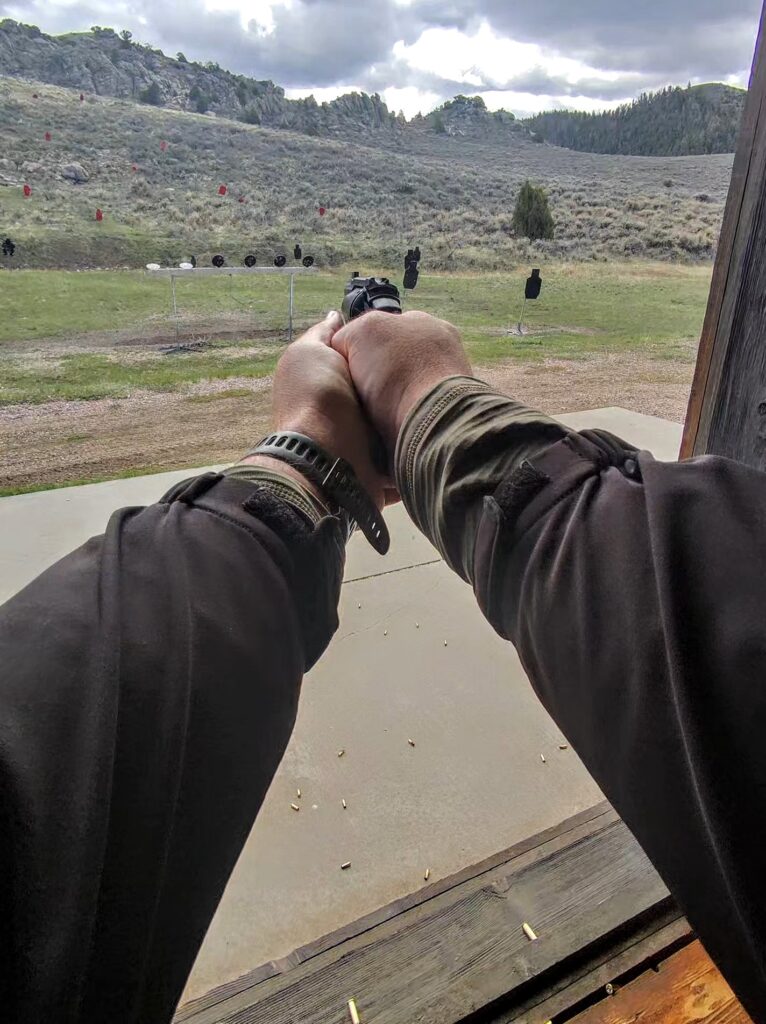
I could hit steel at 25 yards. Beyond that, it was a little tricky thanks to sustained 25 mph winds (and the fact that I do not shoot revolvers all that great). With that said, without the rear sight, I could suppress the target, but I would be far from hitting it.
Advertisement — Continue Reading Below
The 940 and 432 UC are pricey guns, but the Bodyguard 2.0 has an MSRP of $449. Rear sights on snub-nose revolvers are no longer restricted to pricey, semi-custom guns.
The original Bodyguard 1.0 grips were extremely thin and did not give you much to hold onto. Combine that with a lightweight design and the snappy nature of snub-noses, and the gun became a hassle to hold onto and painful to shoot.
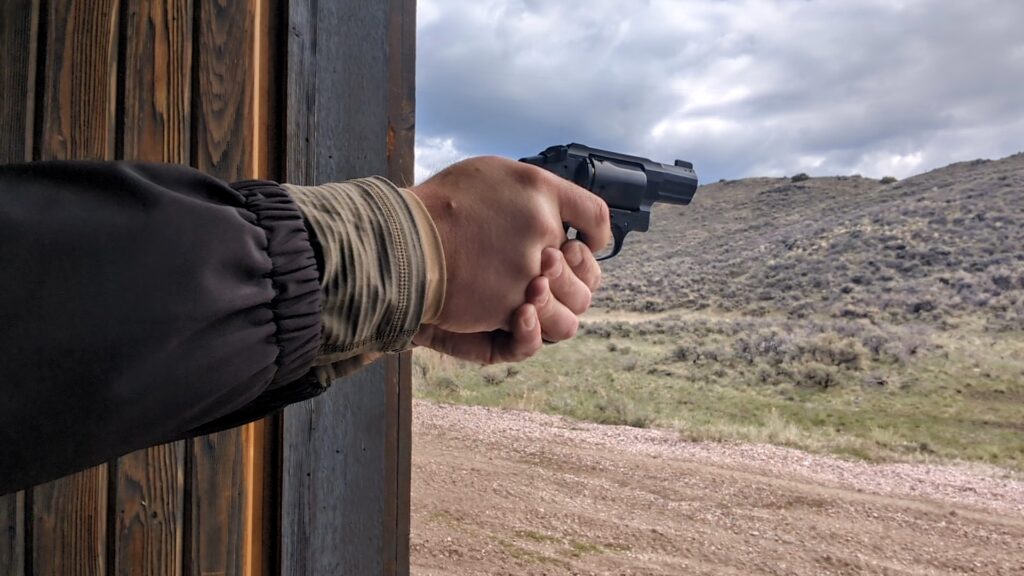
The new Bodyguard keeps the grips small enough to maintain concealment but gives you a lot more to hold onto. They are softer, a little thicker, and better textured. A good grip goes a long way with a gun this small and light. When shooting the gun, it did not feel difficult to hang onto and did not beat my hand up.
Advertisement — Continue Reading Below
We were shooting defensive loads that were quite hot. The Bodyguard was not a pea shooter by any means, but I did not feel like arthritis was setting in.
Another big improvement comes down to the trigger. It is no longer a long, super-heavy, gritty thing. The Bodyguard 2.0 has a much smoother trigger. It is still heavy and long, but it is an excellent improvement over the original option.
Advertisement — Continue Reading Below
The Rest of the Bodyguard 2.0
The gun keeps a lot of the same features of the original Bodyguard 1.0. It is still a .38 Special and still uses polymer to reduce cost and weight. The gun has a 1.87-inch barrel and a five-round capacity.
We keep the original ambidextrous cylinder release that is activated by the user’s thumb. It is super easy to use, and I find myself preferring it to the standard cylinder release. This was one of the few highlights of the original Bodyguard that I appreciated.
Advertisement — Continue Reading Below
If I could change one thing, I might make it a .32 H&R Magnum. Less recoil and one more round in the cylinder would let me indulge my .32 obsession. Still, I imagine most people prefer .38 Special, as it is much easier to find and cheaper.
I am excited to get the Bodyguard 2.0 in for a full review. If you are interested, tune in soon to see how the gun performs in a long-term review.
Advertisement — Continue Reading Below

