

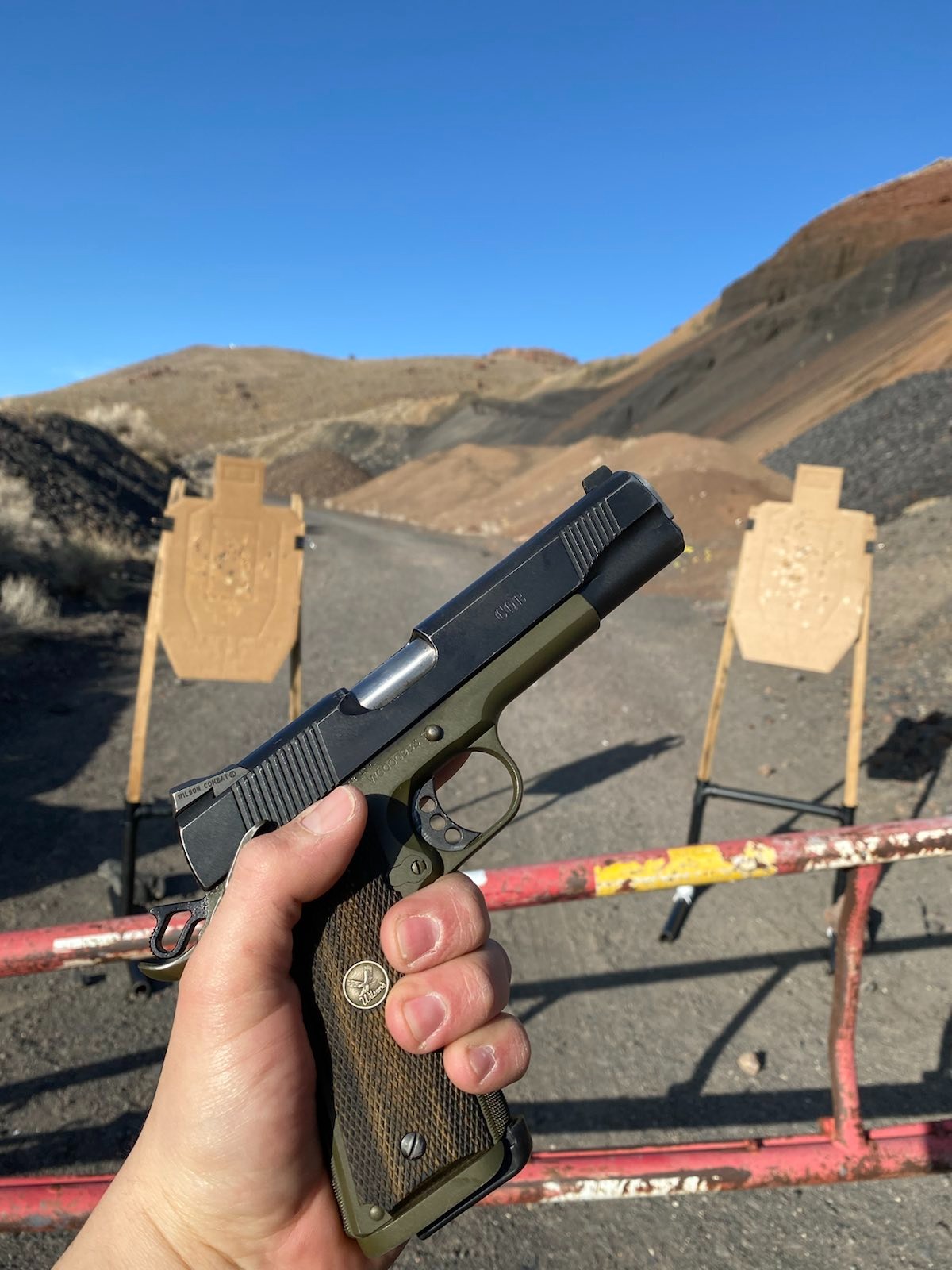
I hate telling people what they should do. I don’t feel qualified enough to do so, especially among shooters. However, my goal today isn’t to tell you what you should do, but rather to help show you something that made me better. After taking a few classes with Rick Hogg of War Hogg Tactical, I am all in on data-driven training.
Thank you for reading this post, don't forget to follow and signup for notifications!
“Data-driven” is one of those terms like “synergy” that has become a bit of corporate speak. I understand that it’s a little annoying to hear, but it has a purpose, and in this context, I lack something more creative. I’m a little ashamed that I didn’t use data for my training and shooting for years. It wasn’t until I did a red dot class with War Hogg Tactical that it clicked.
- The Target
- The Timer
- The Shooter
- Data-Driven
- How It Helps
- Bracketing Skill

Advertisement — Continue Reading Below
I use a data-driven approach for working out, for my diet, and my day job, but for shooting, I just winged it. The idea behind data-driven training is simple: we use objective data to record our performance. This data can then be evaluated, and you can find your weak points when shooting. You can reflect on those issues, then have specific data points to influence your training.
First, where do we get objective information when it comes to shooting?
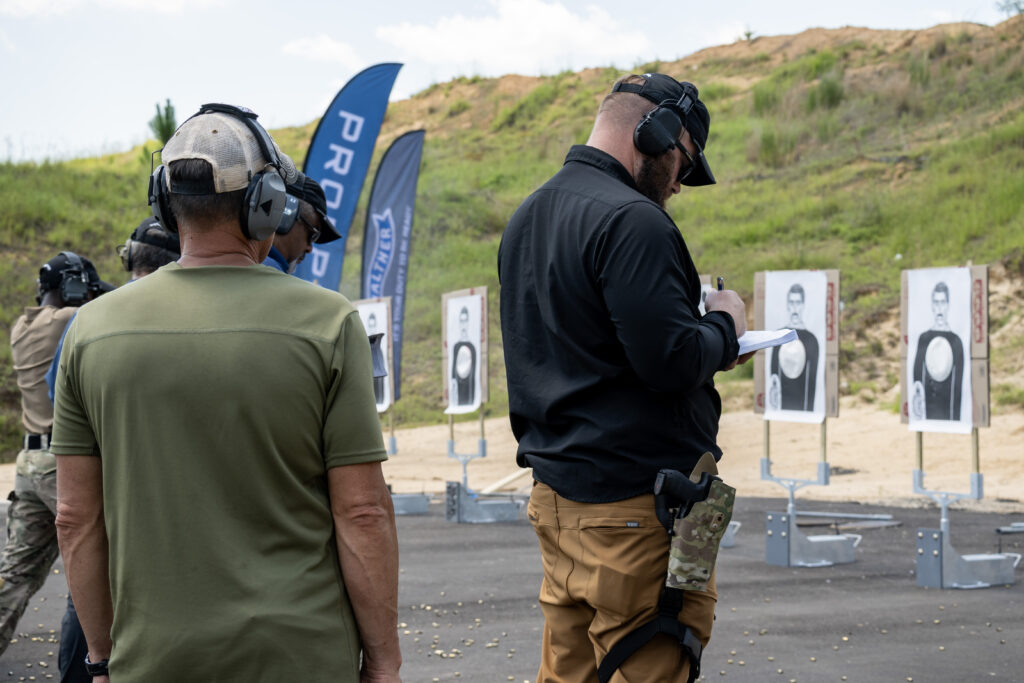
The most obvious source of data is the target. Where we hit the target shows us our general accuracy. It doesn’t matter what target we use, as long as that target can provide some measure of shooting skill.
Advertisement — Continue Reading Below
The targets can be fancy, like the VTAC targets, or War Hogg’s own awesome targets. They can be as simple as a B8, depending on your task. Targets have different purposes. Steel, paper, cardboard, and beyond all have their purposes and benefits.
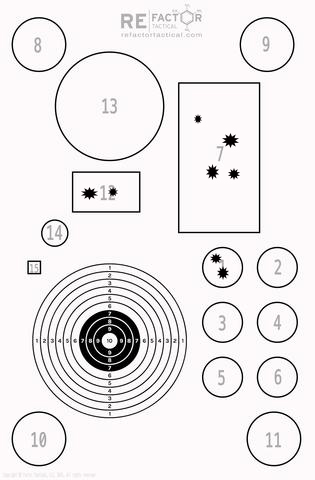
Being able to observe your hits and record your accuracy is a crucial data point we should gather and observe. Not only should we observe accuracy, but we should also record our consistency and group size.
Advertisement — Continue Reading Below
The target as a whole is likely the most common source of objective data that we all use in one measure or another. A target by itself provides some information, but doesn’t tell the whole story.
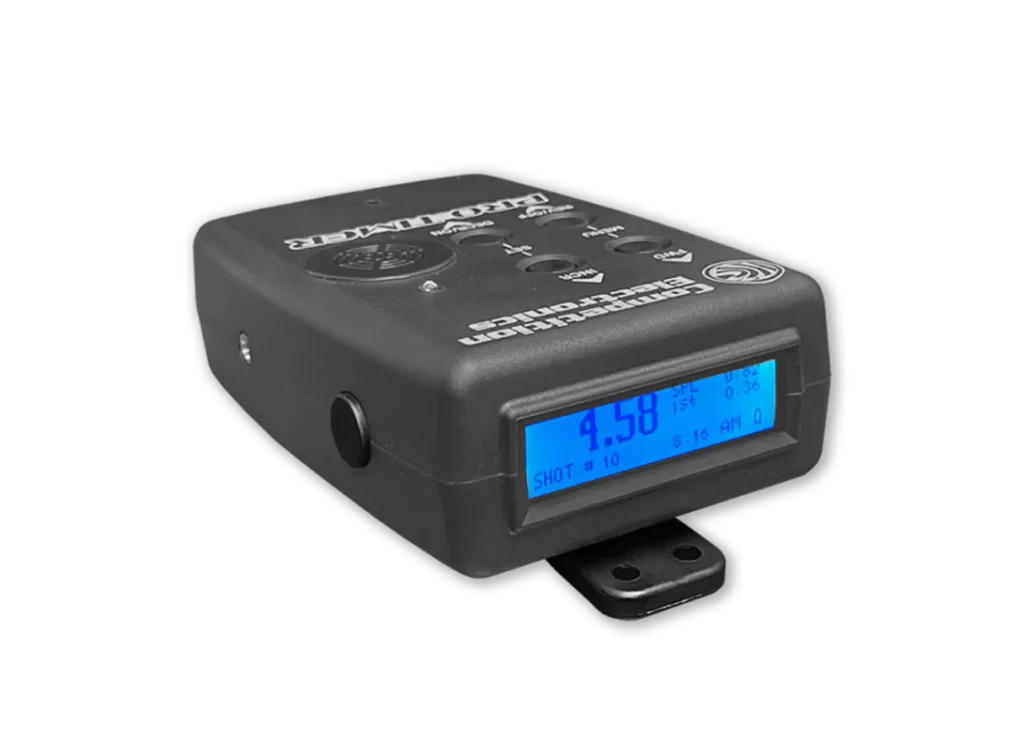
A shot timer is one of the most invaluable tools any shooter can have. If you aren’t using a timer, you’re losing out on skill progression. A shot timer can record the shots you take and the time between shots. It allows you to see how long it takes you to draw, reload, transition weapons, index targets, and so much more.
Advertisement — Continue Reading Below
Using shot timers and par times as a source of data provides you with a lot of usable information. When paired with a target, you have two amazing sources of information to gather data from.
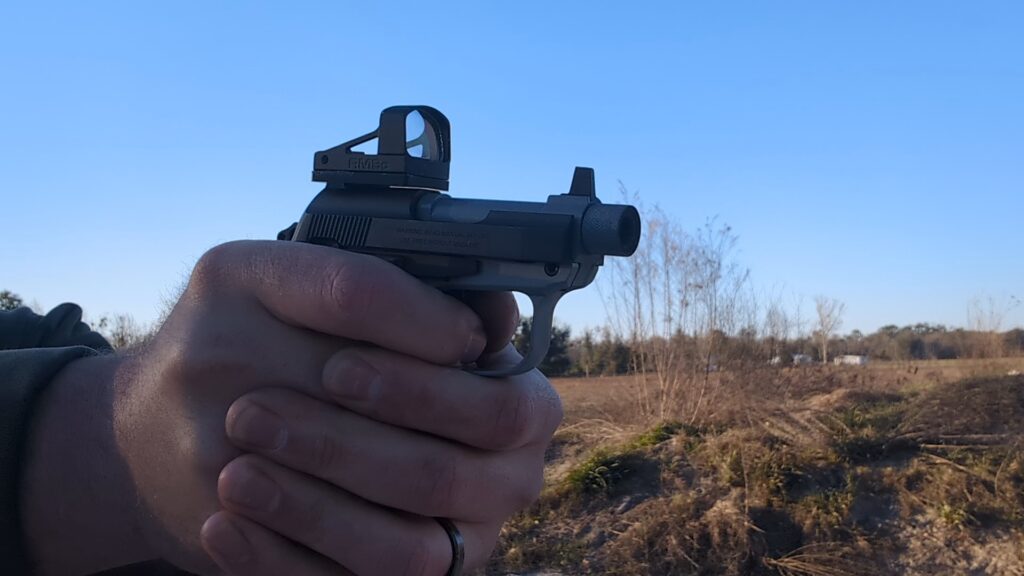
This one’s free, kind of. As a shooter, you should strive to remember and then record your shots. This is commonly referred to as shot calling. You should aim to remember where your sights were as you pulled the trigger; this is super easy with a red dot, especially up close.
Advertisement — Continue Reading Below
As you get further away or use iron sights, that becomes a little trickier, but it is still possible. When you see the sight as the shot breaks, you’re calling it. Remember where the sight was as the trigger was pulled, and compare it to where the round hit the target. As you get better at shot calling, you’ll begin to notice the shot lands exactly where you thought it would.
Beyond shot calling, you should aim to recognize and realize what you did wrong. Did you mess up your draw? When you drew the gun, was the dot where you wanted it? These are the things to recognize, remember, and notate.
I’ve mentioned Rick Hogg a few times. He has a book called the Firearms Training Notebook. I’ve written about it before. It provides a simple guideline to record your data, your target, times, and beyond. It’s a simple, cheap tool to keep in the range bag to standardize your data gathering.
Advertisement — Continue Reading Below
Write it down, write it all down. Get used to recording the drills you run, the times, and the accuracy. Make notes on where you messed up, so we can remember and diagnose our problems.
Let me give a specific example of how this data-driven technique helped me. We were shooting a five-round drill from the draw, and later from low ready. I shoot the five rounds, my first shot obviously being the slowest due to the draw or low ready. I shoot the other four rounds and use the timer to notate my times.
Advertisement — Continue Reading Below
I noticed that my splits got faster as I shot. Why was shot three slower than shot four, and shot four faster than shot five? My accuracy didn’t degrade, but I was hesitating to hit the gas a little more. I diagnosed that issue thanks to the data, and I focused on shooting the second, third, and fourth shots as fast as I fired the fifth shot.
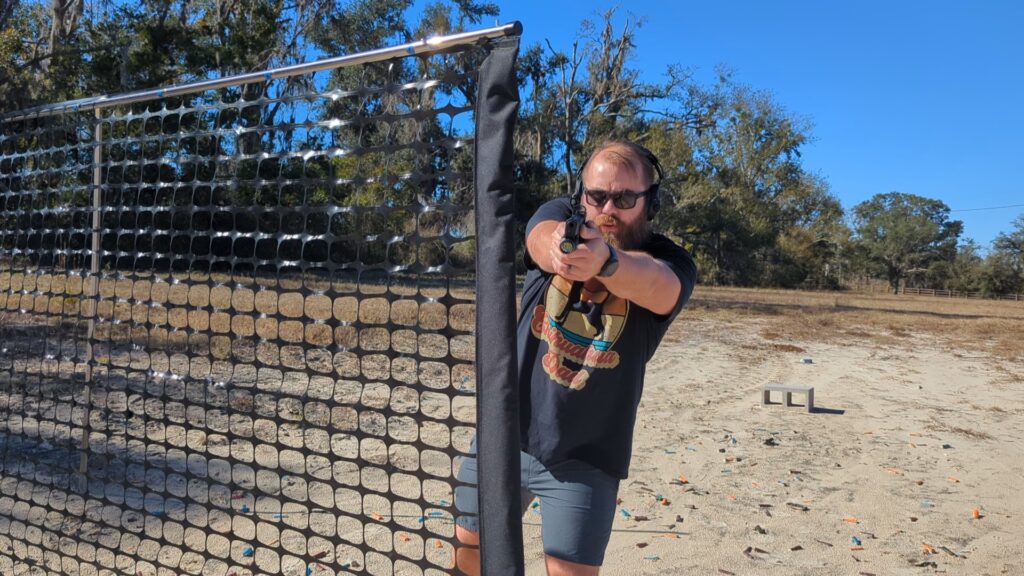
I pressed the gas and got no noticeable accuracy degradation, but ultimately finished the drill faster. That’s thanks to gathering data and diagnosing the problem.
Advertisement — Continue Reading Below
We use the timer, target, and shooter to gather data and make decisions on how we should train. There is a difference between feeling that the Bill Drill was pretty good and knowing it’s pretty good.
Better yet, we can use our times and accuracy standards to know when to try and go faster and when to slow it down. If we are consistently making six out of six in the A-zone in 2.3 seconds, we should go faster until the wheels fall off and our accuracy degrades.
We can bracket our time and performance metrics to find the fastest time we can perform with acceptable accuracy. Using the data, we can see when we can go faster and when we need to slow down.
Using your shooting data, and dry fire data, can help you plan a range day, find a class, and generally just improve bit by bit. Data is just another tool to become a better shooter.

