

Law enforcement has made meaningful progress in how we respond to victims of sexual assault and child sexual abuse. Trauma-informed practices, victim advocacy and access to medical care are now rightfully embedded in modern investigations. That progress matters, and it saves lives.
Thank you for reading this post, don't forget to follow and signup for notifications!
But too often, our investigations still hinge on one flawed assumption: that proof of a sexual offense must be found on the victim’s body.
When injuries are minimal or absent, cases quietly lose momentum. Charging decisions stall. Prosecutors hesitate. The unintended consequence is that the burden of proof shifts almost entirely onto the victim, rather than resting where it belongs — on a thorough, evidence-based investigation.
The suspect is a crime scene
Sex crimes investigations are not victim-centric or offender-centric. They are evidence-centric. And one of the most overlooked sources of evidence remains the body of the suspect.
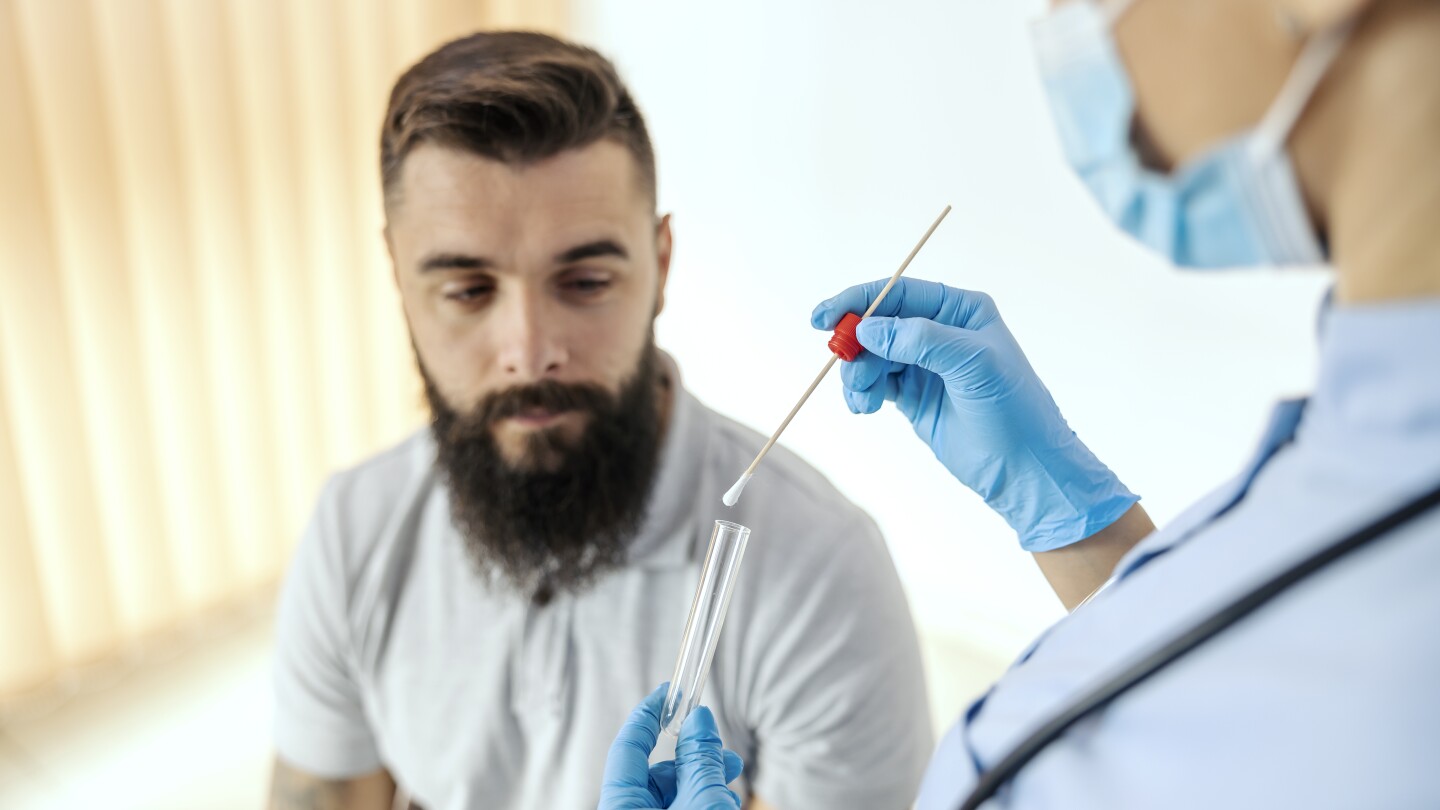
The suspect is also a crime scene. In sexual assault and child sexual abuse cases, evidence transfers in both directions. A suspect may carry DNA, trace evidence, injuries or biological material that corroborates a victim’s disclosure, clarifies timelines or directly contradicts a suspect’s account. When investigators fail to consider a suspect forensic exam, they risk losing fleeting evidence that cannot be recreated later.
This omission is not usually the result of indifference. More often, it is the result of a lack of preparation.
Despite their value, suspect forensic exams are underutilized across jurisdictions. Investigators may be unfamiliar with the process, unsure about legal authority or hesitant due to logistics, safety concerns or cost. In many agencies, there is simply no operational framework in place.
Frankly, I can say this with humility: for much of my career, I was not prepared to pursue a suspect exam when the facts supported it. That is embarrassing to admit, but it is also honest. It was not because I did not believe in the value of offender-focused investigations. It was because the infrastructure had never been built.
Why readiness — not intent — is the real barrier
Law enforcement already knows how to do this kind of work. We see it in impaired-driving investigations every day. Most agencies have well-rehearsed systems for DWI blood draws. Officers understand the legal standard. Warrant templates exist. Exam locations are known. Medical partners are identified. Safety protocols are in place.
Blood draws happen not because an officer improvises in the middle of the night, but because leadership planned for them.
Suspect forensic exams deserve the same level of readiness. If an agency can operationalize a blood draw for a DWI suspect, it can also be prepared to lawfully collect forensic evidence from a sexual assault or child abuse suspect when probable cause exists.
The investigative value is significant. In cases where a suspect denies any physical contact, the presence of a child victim’s DNA on the intimate areas of that suspect can change the trajectory of a case. It can corroborate a disclosure, rebut claims of fabrication or coaching, support probable cause for arrest and reduce the evidentiary burden placed on the child.
The same holds true in adult sexual assault investigations. Identifying a victim’s DNA on a suspect who has denied contact directly refutes a no-contact narrative and undermines consent defenses. It shifts the investigation away from credibility contests and toward objective forensic fact.
Critically, this type of evidence may exist even when there is no visible injury or recoverable evidence from the victim. That reality reinforces why investigations cannot rely solely on the victim’s body as the primary crime scene.
Building capacity before the case demands it
Guidance from End Violence Against Women International (see below) provides an excellent foundation for understanding suspect forensic exams, but guidance alone does not create capacity. Agencies must deliberately build the infrastructure to carry them out.
That work must happen before the first case demands it. It requires coordination with forensic identification units, forensic nurses, prosecutors, supervisors and command staff. Questions need to be answered in advance, not during a crisis. Where will exams be conducted? Who manages transport and security? How are after-hours cases handled? How is billing addressed?
At the top of that list must be the safety of the nurse. Suspect exams can involve resistance, emotional volatility or custodial challenges that elevate risk. Those risks must be anticipated and mitigated through planning, staffing and clear protocols. Nurse safety cannot be an afterthought.
This is especially critical for agencies operating in rural or remote areas. Not every jurisdiction has a large hospital system, an on-call SANE team or campus-based resources. Many investigators work in counties where distances are long, staffing is thin and options are limited. Those realities do not excuse inaction. They demand preparation.
Collecting evidence from a suspect is not anti-victim. In fact, it is one of the most victim-centered steps an investigator can take. It strengthens cases, increases accountability and reduces the pressure placed on victims to be the sole source of proof.
When agencies are not prepared to pursue suspect forensic exams, they unintentionally reinforce a system where victims feel responsible for proving what happened to them. That is not justice, and it is not good policing.
Suspect forensic exams will not become routine without leadership attention. They require training, coordination and expectation. They require agencies to honestly acknowledge gaps and correct them deliberately.
If we want stronger sexual assault and child sexual abuse cases, we have to stop looking only at the victim’s body for answers. The evidence we need may already be there — on the suspect — waiting for us to be ready.
End Violence Against Women International. (2013). Suspect forensic examinations in sexual assault cases. by Lexipol_Media_Group
| NEXT: Why we need a more standardized approach to sexual assault investigations

