


The Vasa was built to project Swedish power, terrify rivals, and dominate the sea. Instead, this lavish 1628 warship barely made it off the dock before tipping over and turning into one of naval history’s most spectacular disasters.
Thank you for reading this post, don't forget to follow and signup for notifications!

If you’ve followed these history articles for very long, you come to appreciate that there is absolutely no rhyme or reason to any of them. I send an example in once a week, my editors work their magic, and then something shows up most every Monday. I have no idea how they decide what runs when. I’m just as surprised as you are.
I try to craft everything around a military or firearms-related theme. It is called GunsAmerica, after all. Some of these are drawn from the latest headlines. Most spawn from WW2. That was the most expansive conflict in human history, so it stands to reason. I can’t recall how far back we have reached, but today’s project might set some kind of record. Our tale begins in 1626, when the world was a very different place.

The 2003 Peter Weir epic Master and Commander: The Far Side of the World is a perennial favorite. Drawn from a couple of Patrick O’Brian books that chronicle the adventures of Royal Navy sea captain Jack Aubrey, Master and Commander stars Russell Crowe and Paul Bettany and is a simply magnificent watch. I’ve read a few of O’Brien’s books, and they were great. The movie, however, is indeed a masterclass in naval filmmaking. It cost $150 million to produce and still made a decent profit. If you haven’t seen it, check it out. You’ll thank me later.
There is a timeless allure to naval combat in the era of sail. Like submarine movies, it is easy to find drama in that space. It is tempting for modern students of military history to speciously lump all that together as a single era. Nowadays, military tech evolves so quickly that war in 2026 is fundamentally different from combat in 2003 and unrecognizable from the same stuff in 1944.
By contrast, the era of sail spans from the battle of Lepanto in 1571 all the way up to the mid-19th century and the development of steam-powered warships. In fact, a relative of mine commanded the USS Lanikai during the frenetic evacuation from the Philippines at the beginning of WW2. The Lanikai was a hastily commissioned schooner press-ganged into service in 1941 during a particularly harrowing period in US Navy history. To my knowledge, the Lanikai was the last US Navy sailing ship to participate in combat operations. Once I have a chance to reread my cousin’s exploits, we will likely explore that in this space as well.
Master and Commander was set in 1808 during the Napoleonic Wars. The ship we will discuss today was launched in 1628. The point simply being that this period in military history spanned centuries.

Nowadays, Sweden is best known for IKEA, Volvo, ABBA, and lots of hot Viking women who look like the elves from The Lord of the Rings. Back in the 17th-century, however, Sweden was a major military superpower. They called this period Stormakststiden or the “Age of Greatness.”
The Swedes had not quite shaken off their Viking heritage, so they were quick to get into everybody else’s business. With a powerful central government, Sweden developed an exceptionally efficient military organization. That meant a formidable land army as well as the capacity for some pretty serious power projection at sea.

In the Information Age, computers design our weapons. Every single piece of a modern warship is electronically crafted to optimize its function. Today’s military hardware is exhaustively tested in the digital realm before a single component ends up cast or cut in steel. However, that was obviously not always the case.
As an example, some of the first combat submarines were designed in the 1870’s by an English pastor named George Garrett. These vessels were powered by steam. The rub was that any sensible person knows you cannot make a steam-powered vessel go underwater. As soon as their crews tried to fire a torpedo or maneuver these things, they promptly rolled over and sank. That didn’t stop Garrett and his investors from selling these deathtraps to Turkey, Greece, and Russia.
Back in the 17th century, shipbuilding was as much art as science. Massive ocean-going vessels hundreds of feet long were designed and built using nothing fancier than a ruler and a lot of on-the-job experience. The amazing thing is that some of them actually worked.

In the early 1600’s, Swedish King Gustavus Adolphus was heavily engaged in an existential fight against Poland and Lithuania. Then as now, mighty warships both projected military power and embodied national pride. Whoever had the biggest ships with the most guns commanded the most respect. At a time when naval battles were won with withering broadsides and iron-willed men swinging on ropes, brandishing cutlasses, King Adolphus aimed to dominate all comers. His newest dreadnaught was christened the Vasa.
The Vasa was indeed a formidable beast. Spanning 226 feet long and 38 feet wide, she ran 152 feet from the bottom of her keel to the top of her mainmast. The Vasa sported 13,720 square feet of sail and displaced 1,210 tons.
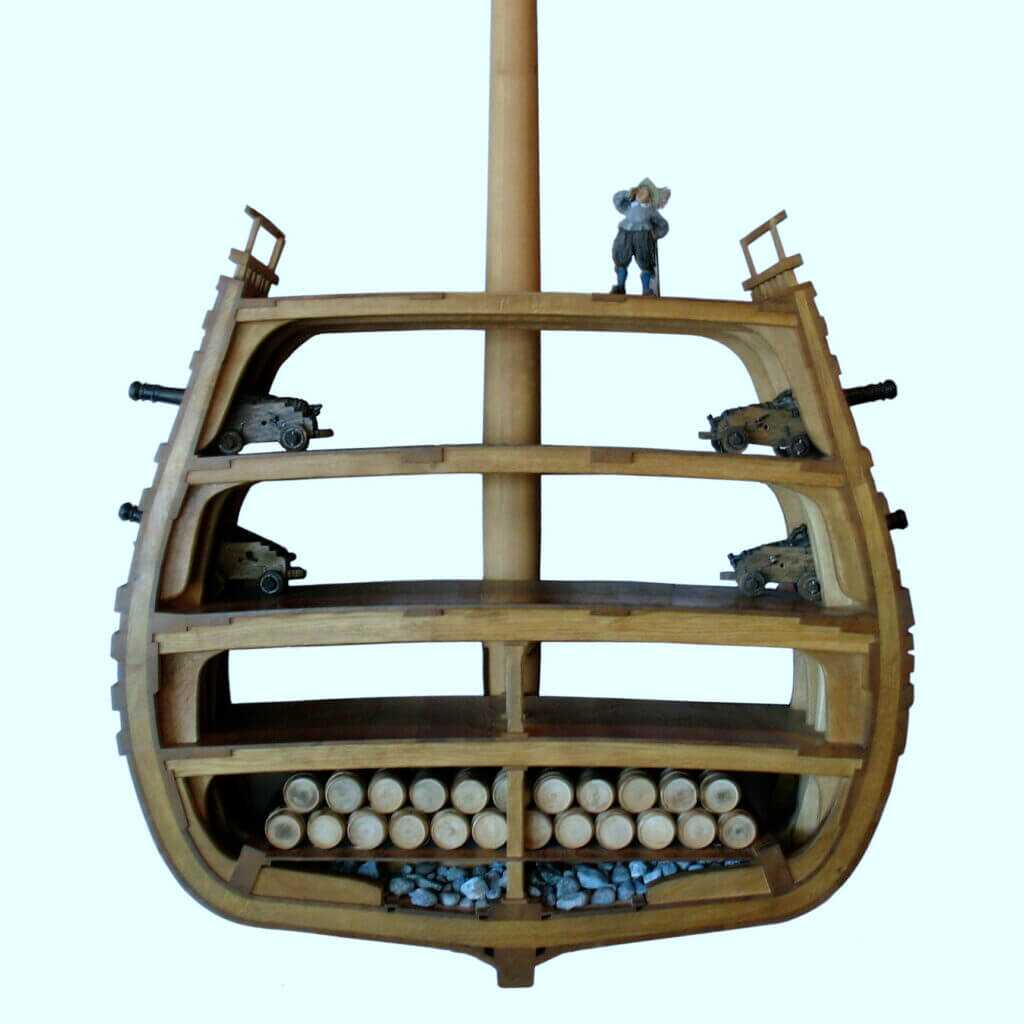
The entire ship was configured for combat. This massive vessel was crewed with 145 sailors and carried around 300 soldiers, what we might call Marines today. She sported 64 serious guns. Forty-eight of these were massive bronze naval 24-pounders arrayed across two gun decks. She also included eight 3-pounders and two 1-pounders for close-range antipersonnel work.
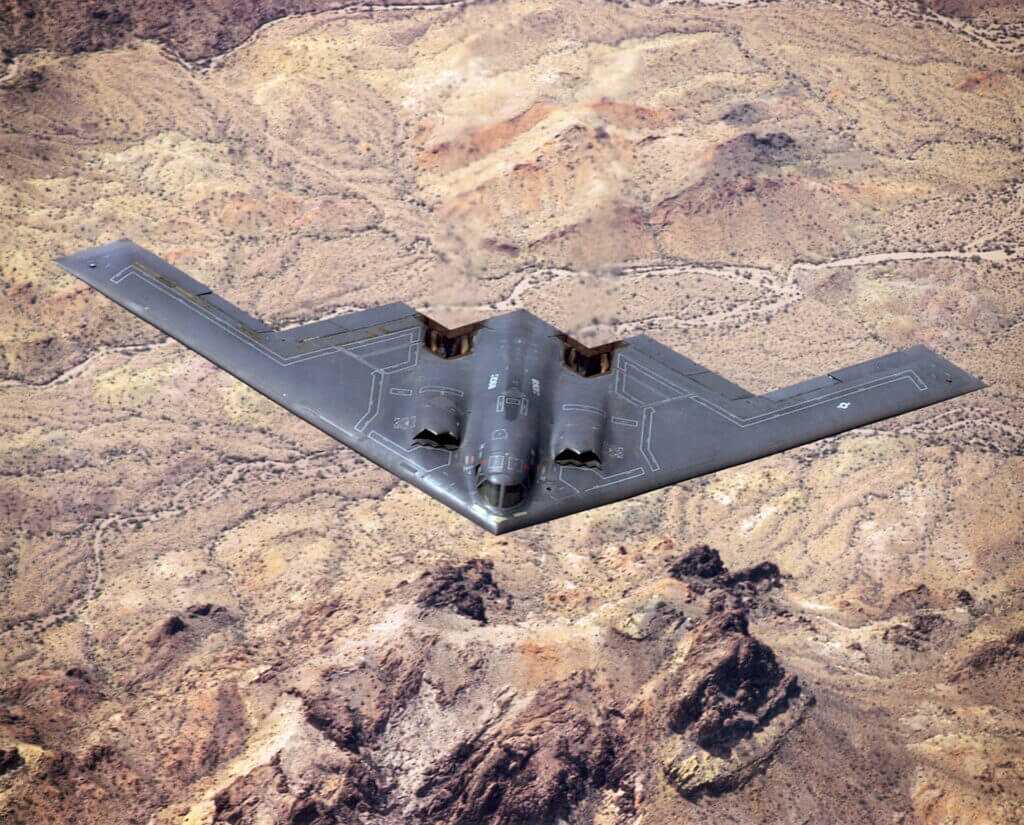
Modern weapons are fairly utilitarian. The B2 Spirit stealth bomber is both beautiful and elegant, because that is the nature of its design. The A10 Warthog ground attack plane is so bug-ugly as to be attractive in its own weird way. Back in 1628, however, shipbuilders invested a little effort just making their warships look awesome.
As a result, the Vasa was richly decorated in a manner befitting her King’s royal ambitions. Her heavy oak hull sported almost feminine curves. At the time of her completion, the Vasa was one of the most heavily armed warships in the world.
The Vasa took two years to build. She was crafted by a Dutchman named Henrik Hybertsson or “Master Henrik.” Hybertsson was under contract to build four warships for the Swedish regent. He laid the keel of the Vasa in February of 1626.
Throughout her construction, the Swedish king hounded Hybertsson to hurry. There was a war on, and Adolphus needed the firepower. However, Master Henrik fell ill soon after the project began. Construction duties were passed on to another Dutch shipbuilder named Henrik Jacobsson. Hybertsson subsequently died in the summer of 1627. Thankfully, for reasons we will discuss directly, he never got to see his massive creation take to the sea.
The Swedish industrial base was inadequate to source the materials needed to rig out a vessel of this magnitude. As a result, her flax sails came from Holland, and the hemp used to craft the ship’s extensive rigging originated in Latvia. Most of the oak timber was sourced from Swedish estates. The Vasa was astronomically expensive.
The Vasa was soft-launched in the spring of 1627, about the same time Master Henrik died. That bit went swimmingly. Shipbuilders finished out the sterncastle, the upper deck, and the beakhead while the big ship was afloat.
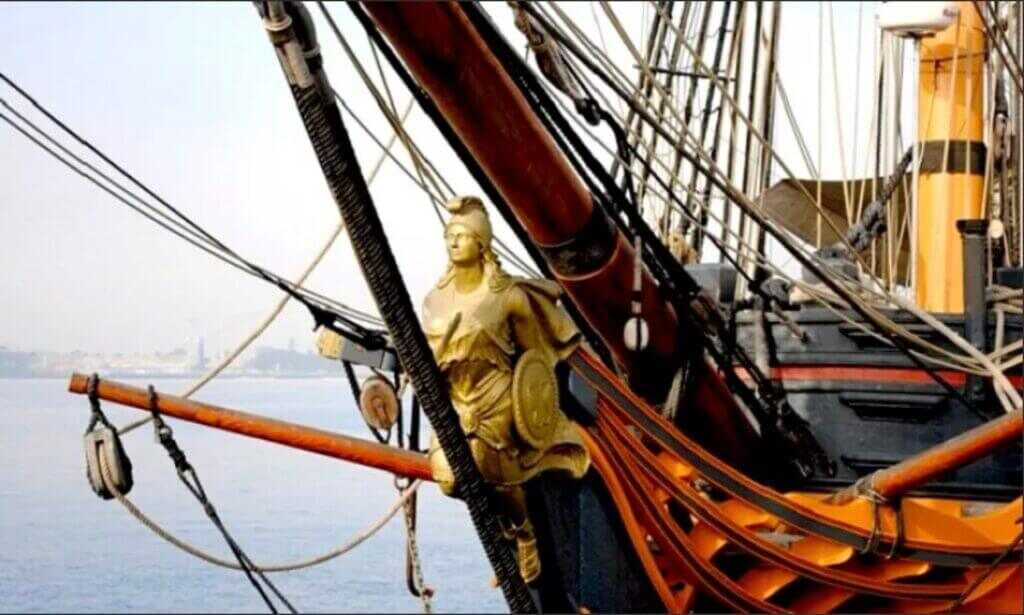
The beakhead was the ornate bit up front just above the figurehead. Ships of this era were extravagantly decorated, and the beakhead made the first impression on other ships, both enemy and otherwise. Curiously, that’s also where the ship’s latrine was located. When modern sailors hit the head for a little quality time, that’s where the term comes from.
Visitors to the ship commented that she seemed a wee bit top-heavy. Her draft when fully loaded was only 16 feet, and all those bronze cannons were pretty darn massive. In mid-1628, Captain Söfring Hansson arranged to demonstrate the ship’s stability to Vice Admiral Fleming. Captain Hansson had thirty members of his crew run back and forth across the upper deck to get the ship rolling. However, the admiral grew uneasy and put a stop to the test after only three cycles out of concern that the ship might capsize.
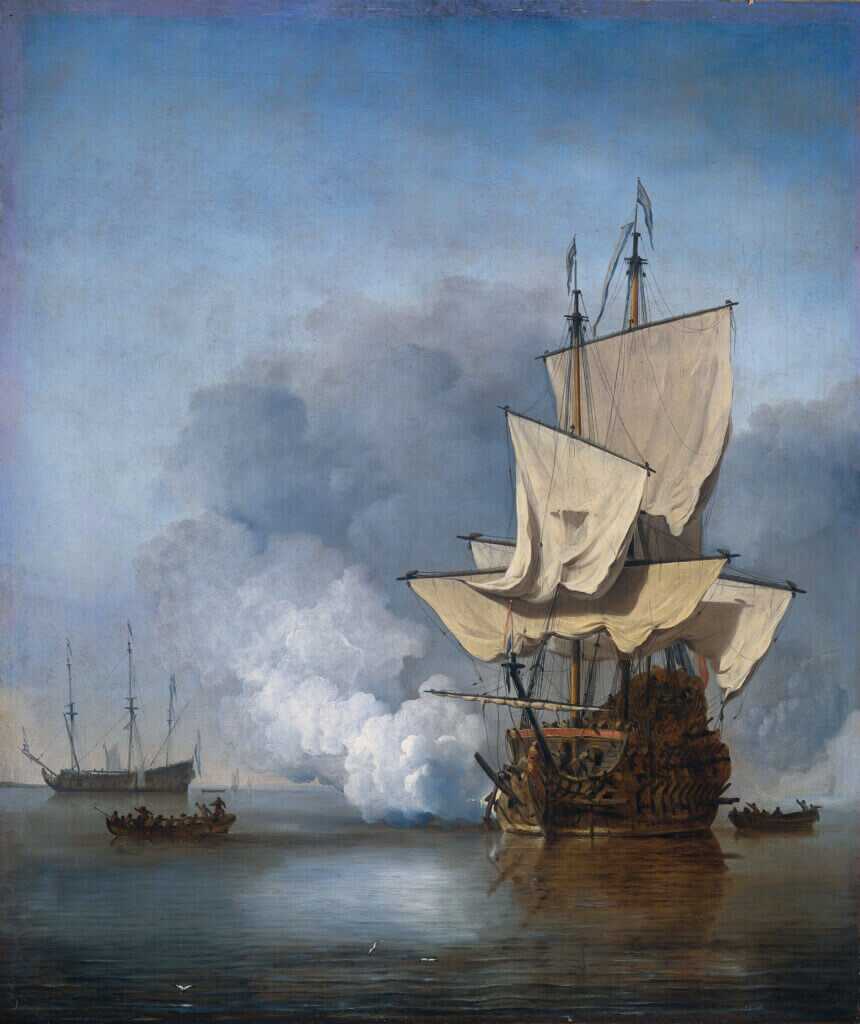
On 10 August 1628, Captain Hansson took his place on the bridge and gave orders that the Vasa cast off her moorings. Draft animals on shore began the process by tugging on the anchor. The day was bright and clear with the tiniest breeze from the southwest. However, with so much sail to help her along, they did eventually get the big ship moving.
This was a big day, and most of Stockholm came out to watch. To commemorate the event, Captain Hansson had the gun ports opened and fired the main batteries in salute as soon as it was safe to do so. Then a proper gust of wind hit the ship from the side.
The Vasa suddenly and severely heeled to port. In response, Captain Hansson dropped her sheets, and the massive ship righted herself. However, at the next break in the nearby bluffs, a stronger gust hit the vessel and pushed her even farther over. This time, the sea poured into the lower gunports, flooding the first gun deck. In short order, water filled the hold, and the hulking warship promptly sank. She was only 120 meters from shore. Thousands of spectators watched the whole sordid scene in horror. Thirty of her complement drowned.
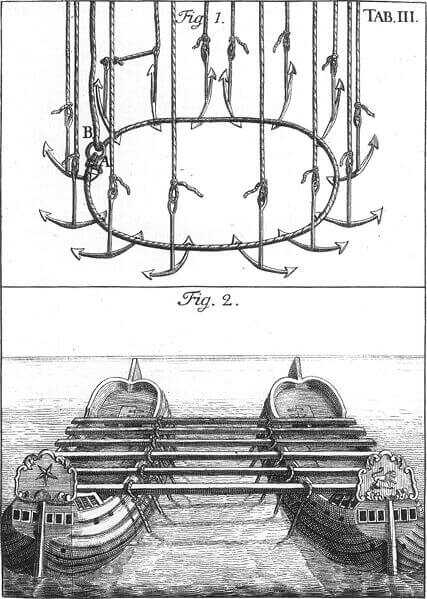
There resulted the obligatory recriminations. The crew blamed the builders, and the builders blamed the crew. Eventually, everyone decided that the fault must lie with Henrik Hybertsson, mostly because he was dead and couldn’t defend himself.
Though the Vasa was a total write-off, her guns remained quite valuable. More than fifty of them were recovered using primitive diving equipment between 1663 and 1665. And there she sat on the bottom of the Stockholm harbor…for some 333 years.
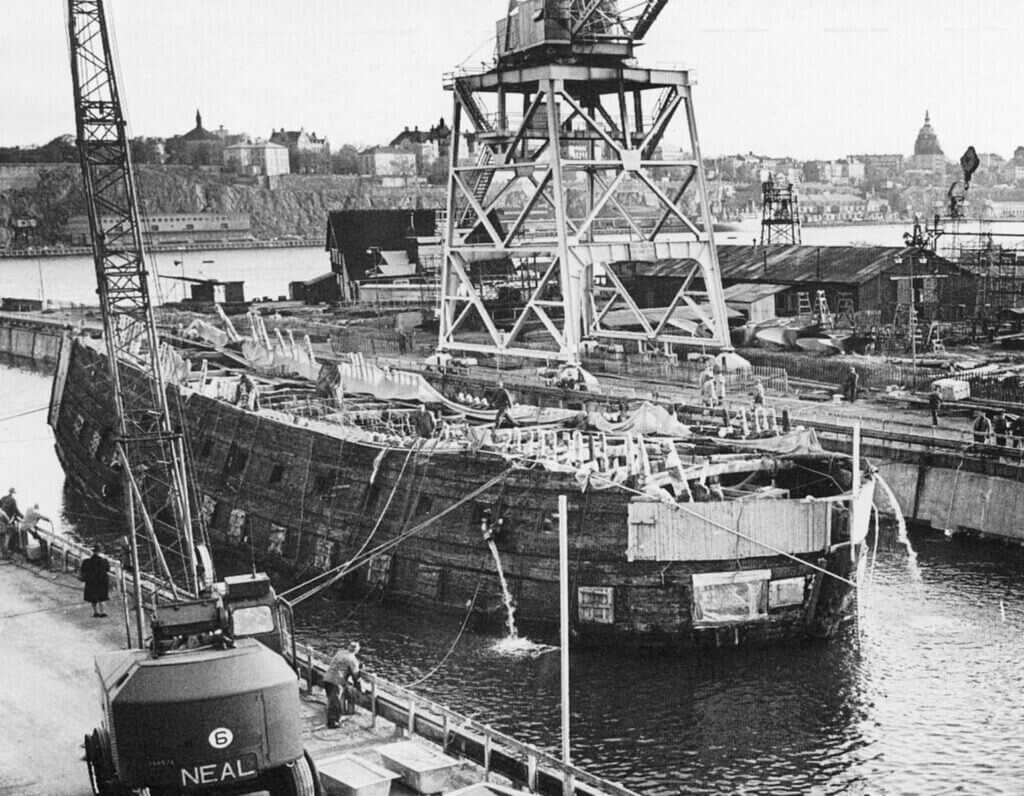
In 1956, an amateur archaeologist named Anders Frazien used a homemade gravity-driven probe to discover a large wooden object in about the right spot. Divers subsequently spent two years excavating half a dozen tunnels underneath the wreck using high-pressure water jets. That operation required more than 1,300 separate dives. Over a series of eighteen sequential pneumatic lifts, the old wreck eventually broke the surface. The wooden structure then had to be soaked in polyethylene glycol for some seventeen years to stabilize it fully.
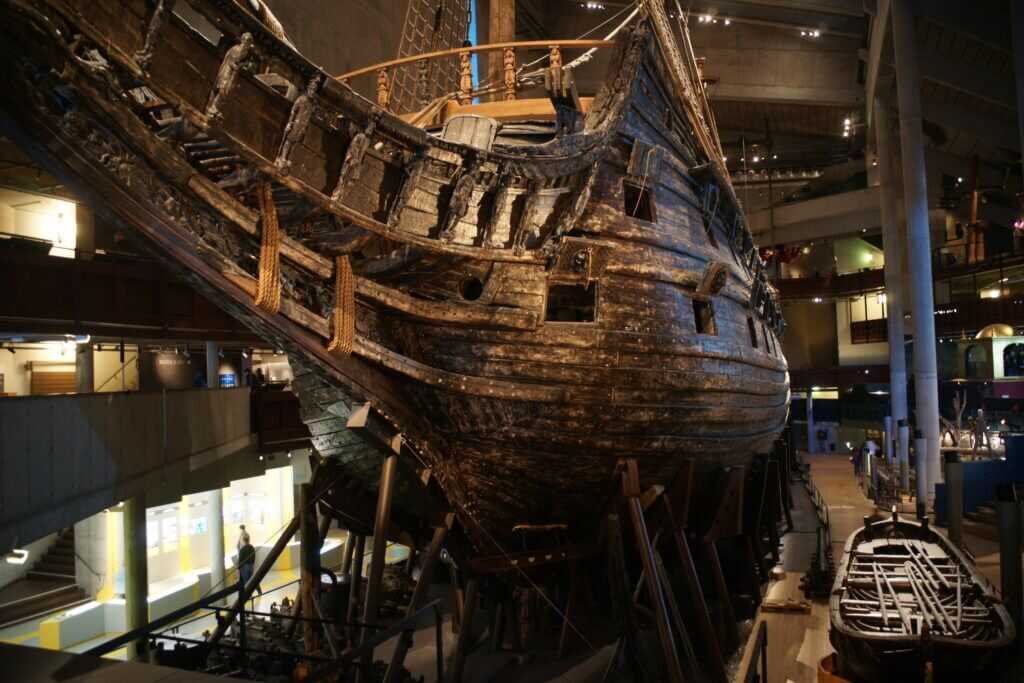
The Vasa museum officially opened for visitors in 1990. Since then, some 45 million people have enjoyed the exquisitely restored old warship. Period clothing, shoes, money, privately purchased items, and sundry ephemera were shockingly well-preserved and lend fascinating insights into naval life during the 17th century. The Vasa’s one and only voyage carried her a whopping 1,300 meters from her mooring. However, the Vasa nonetheless remains a time capsule offering a priceless connection to a very different time.

