


[[“value”:”
Thank you for reading this post, don't forget to follow and signup for notifications!

David Higginbotham
Florida suppressor laws are some of the best in the country for suppressor owners. From the wide state-level protections to the ease of navigating the Form 4, Florida is a sunny place to be, indeed.
If you are wondering, “Are suppressors legal in Florida?” the short answer is a resounding yes. In fact, following recent historic federal and state updates, 2026 is officially the easiest and most affordable year in nearly a century to buy a silencer in Florida.
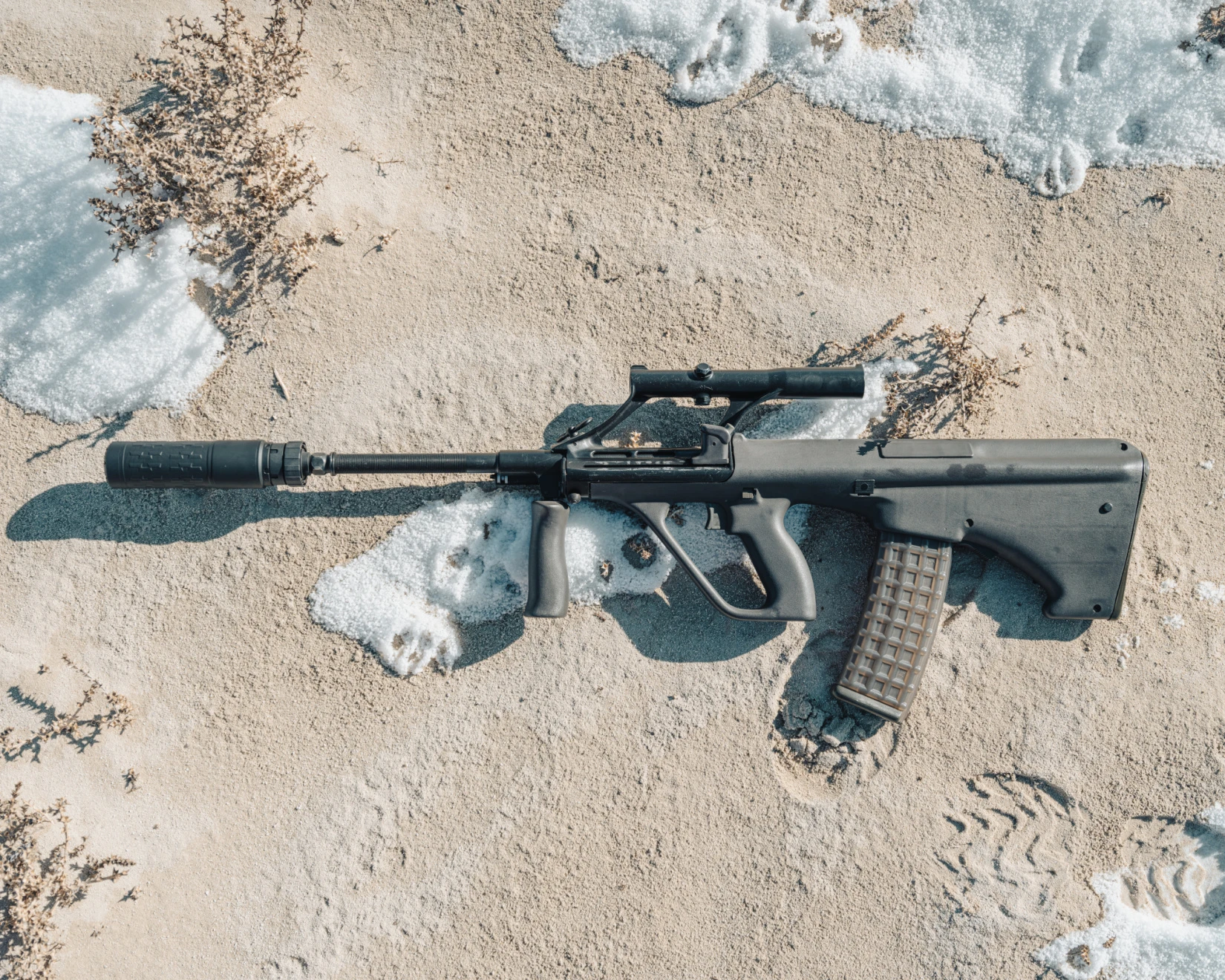
Are Suppressors Legal in Florida?
Yes, suppressors are entirely legal in Florida. If you’re a Florida resident considering adding a suppressor to your collection, you’re in a good spot. Florida’s legal stance on suppressor ownership in 2026 can be summed up simply: comply with federal guidelines, and you are completely protected under state law. While the terms “suppressor” and “silencer” are used interchangeably by manufacturers and shooters, you will find both terms throughout regional regulations. No matter what you call them, understanding the exact parameters of the primary silencer laws in Florida is vital for every responsible gun owner.
What follows doesn’t constitute legal advice. If you live in or travel through the Sunshine State, you should get intimately acquainted with the exact statutory definitions.
Under Florida law, it all starts with a common, federally-rooted definition: suppressors are legally classified as “firearms.” While they do not expel a projectile on their own, Florida Statute §790.001(9) defines them explicitly:
Florida Statute §790.001(9)
“Firearm” means any weapon (including a starter gun) which will, is designed to, or may readily be converted to expel a projectile by the action of an explosive; the frame or receiver of any such weapon; any firearm muffler or firearm silencer; any destructive device; or any machine gun. The term “firearm” does not include an antique firearm unless the antique firearm is used in the commission of a crime.
Because a suppressor is legally a firearm under Florida law, it is subject to all the same statutory rules that govern handguns, rifles, and shotguns—including rules around secure storage, legal transfers, and prohibited persons. This statutory definition forms the foundation from which every other silencer law in Florida is derived.
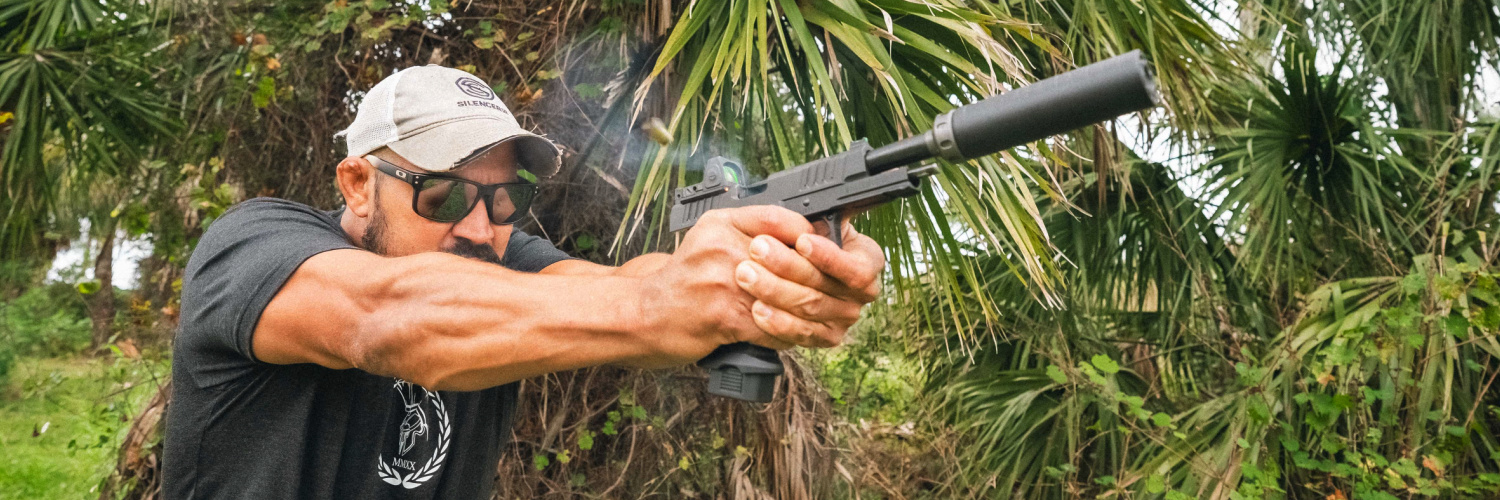
Florida State Law vs. Federal NFA Requirements
When evaluating how Florida rules stack up against federal National Firearms Act (NFA) rules, the biggest takeaway is that Florida has zero state-level laws restricting the use or ownership of suppressors that contradict or complicate federal guidelines.
Historically, NFA compliance meant buying a $200 federal suppressor tax stamp. However, as of January 1, 2026, federal budget reconciliation legislation officially eliminated the $200 tax stamp fee for suppressors, dropping the transfer tax to $0.
That clean slate, however, doesn’t mean Florida law disappears entirely.
State Preemption — No Local Patchwork of Rules
One of the biggest practical benefits of Florida’s approach to firearms law is state preemption. Stated simply, it means that the state sets the rules, not individual cities, towns, or counties.
Under Florida Statute §790.33, the Legislature codified that regulation of firearms and ammunition—including purchase, sale, transfer, taxation, manufacture, ownership, possession, storage, and transportation—is the state’s responsibility. Any local ordinances trying to restrict NFA items are completely null and void.
This is significant for suppressor owners. You don’t need to research the local ordinances of every municipality you drive through. The rules are the same statewide. The only two sets of laws that govern your suppressor in Florida are federal law and state law—that’s it.
There is no state-level waiting period beyond the federal ATF background check.
There are no state restrictions on using a suppressor at public shooting ranges or on private property.
Florida does not restrict the transport of a legally registered suppressor within state lines.
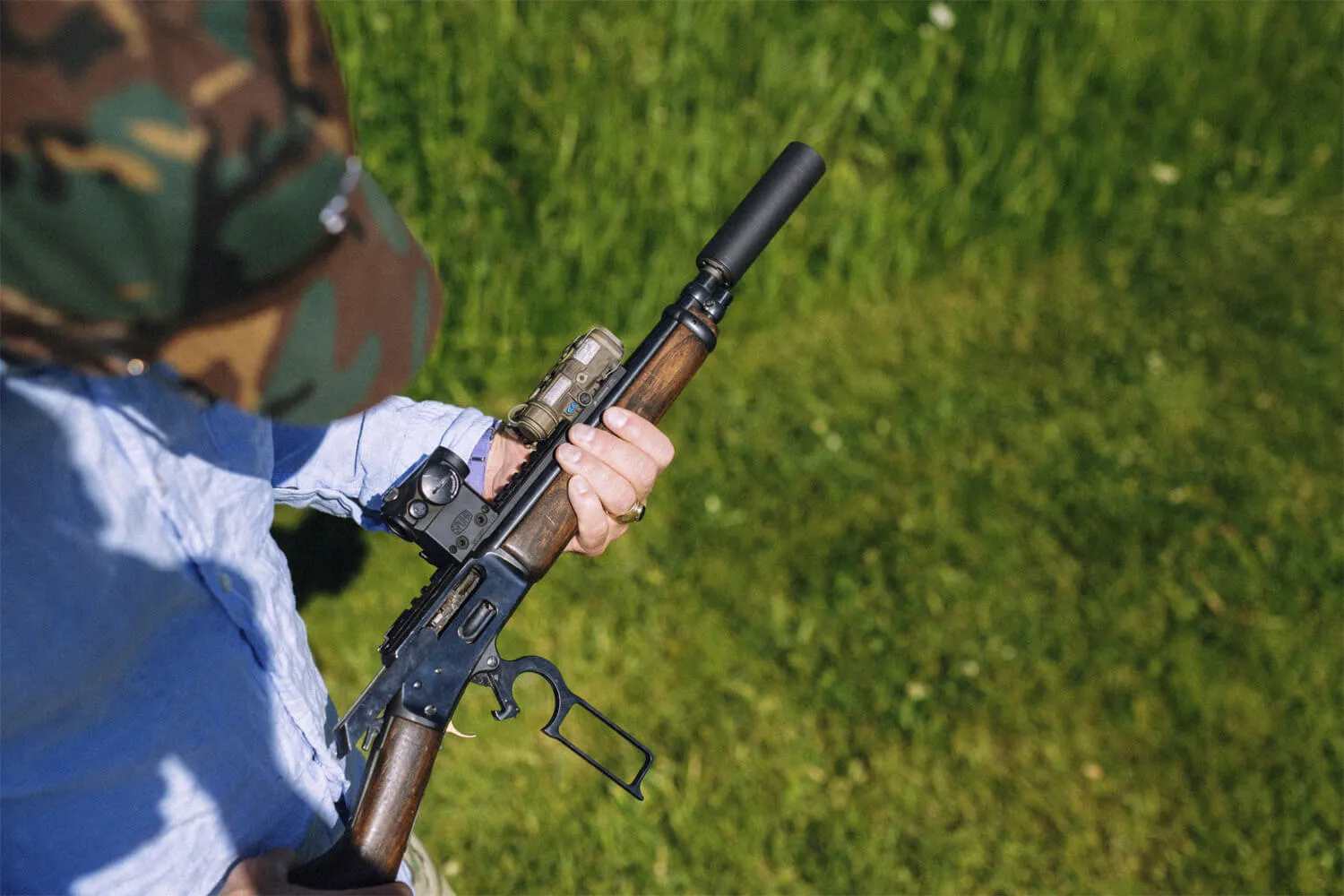
Suppressors and Home Defense in Florida
Many suppressor owners don’t think of their can as a home defense tool, but in Florida, there’s a compelling argument for it—and the law doesn’t stand in the way.
Florida places no restrictions on using a suppressor-equipped firearm for home defense. Firing a gun indoors—especially in tight quarters—yields a deafening acoustic blast. A high-quality suppressor reduces that blast meaningfully, protecting the hearing of everyone inside the home during a critical incident.
Keep in mind Florida’s safe storage law (Florida Statute §790.174), which mandates that any person storing a loaded firearm must secure it if a minor under the age of 16 could reasonably gain unauthorized access. While a suppressor itself cannot be “loaded,” keeping it attached to a defensive firearm means the entire platform must be locked away safely.
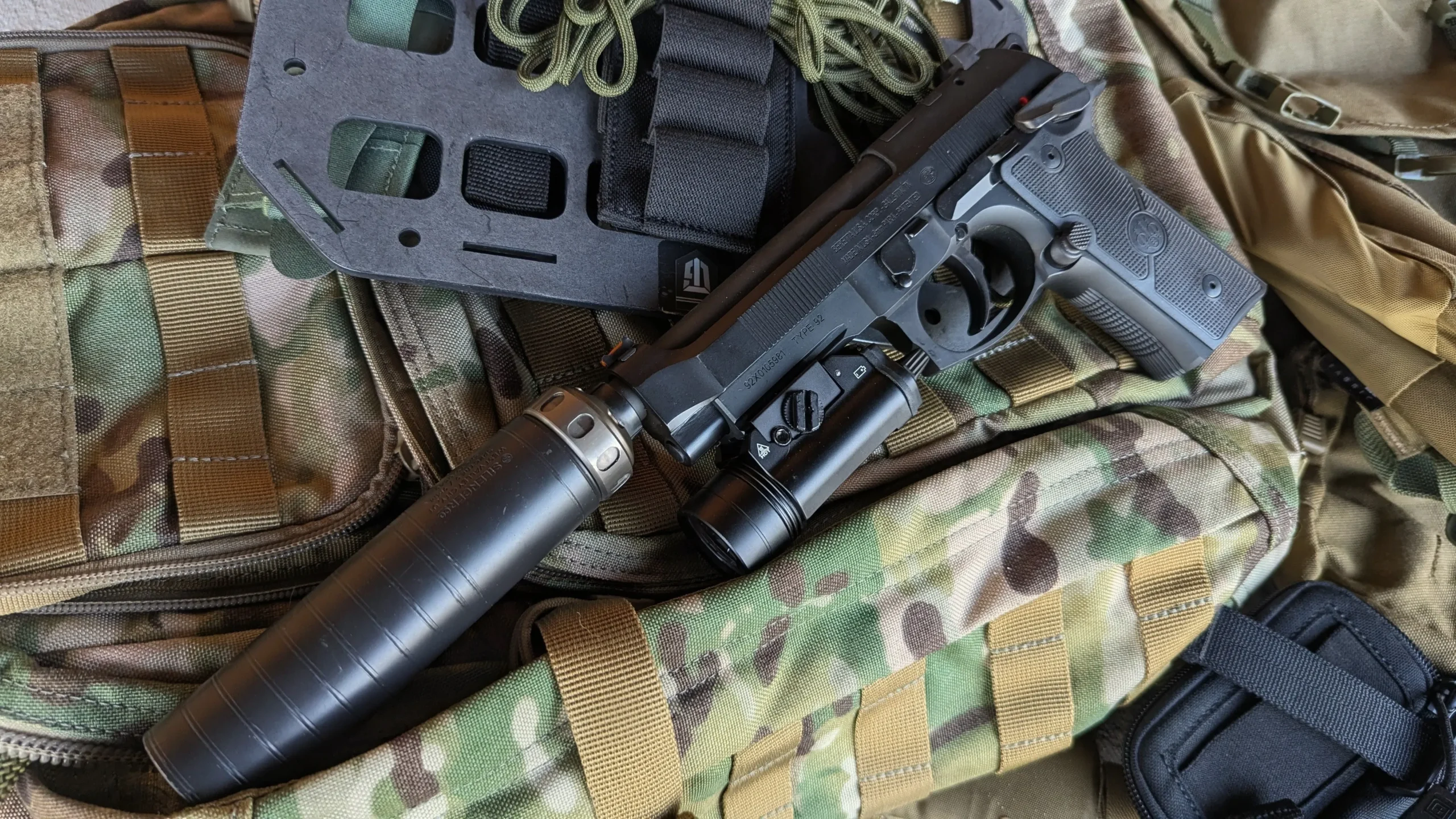
Concealed Carry and Suppressors
Florida has some of the most permissive concealed carry laws in the country—but those laws create a notable nuance when it comes to suppressors.
Under Florida Statute §790.06(1)(a), the term “concealed weapon or concealed firearm” applies to the concealed carry of handguns specifically. Could you carry a suppressor attached to a concealed handgun? This is the one murky area. It isn’t something many people do, anyhow—but it will likely need adjudication to provide a determination.
Prohibited Persons Under Florida Law
Federal law sets the baseline for who can own a suppressor. Florida’s own firearm statutes add specific categories worth noting.
Florida Statute §790.23 prohibits firearm possession by convicted felons and certain juvenile offenders. Florida also restricts firearm ownership for individuals subject to certain domestic violence injunctions (§790.233) and those who have been adjudicated incapacitated (§790.064).
Furthermore, Florida Statute §790.065(13) sets the age threshold, making it unlawful to sell or transfer a firearm or suppressor to anyone under 21 years of age.
How to Buy a Suppressor in Florida
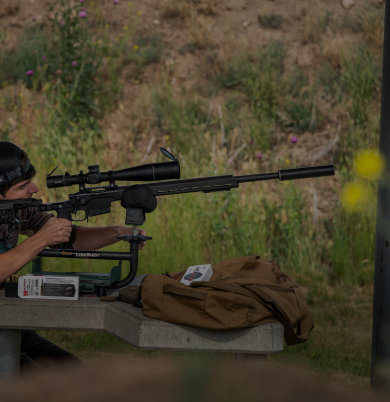
Buying a suppressor in Florida is easier than ever in 2026 thanks to the digital Form 4 process, and the historical $200 fee has been zeroed out. If you want to see how this compares to other gun-friendly areas, check out our breakdown of Texas suppressor laws.
To successfully navigate the acquisition process in Florida, follow these four clear steps:
Select Your Suppressor: Visit a local or online dealer to pick the ideal suppressor for your caliber.
Create Your Accounts: Set up a profile with your dealer and establish a verified account on the ATF eForms portal.
Submit Biometrics: Visit an NFA kiosk or a local professional to capture your digital fingerprints and a passport-style photograph.
Certify and Submit: Digitally sign your ATF Form 4. Because the $200 fee was removed on January 1, 2026, you will skip the payment step entirely. The ATF will review your digital background check, and processing times in 2026 often conclude in a matter of days or weeks.
If you need a federal primer, read our guide to NFA and silencer laws.
Where to Buy a Suppressor in Florida
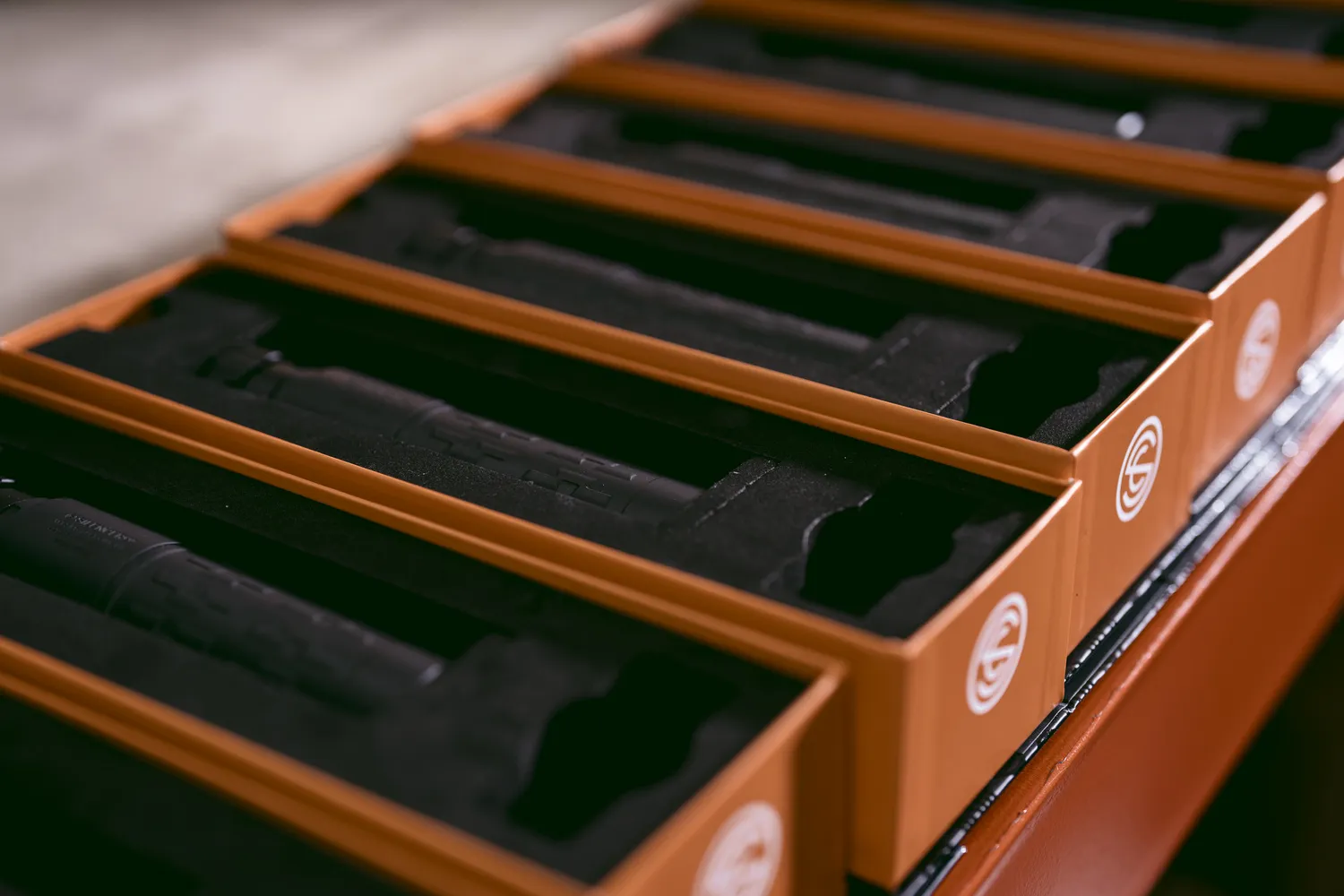
If you’re in the market for a suppressor, SilencerCo’s Dealer Locator will help you find stocking dealers. If these dealers don’t have what you need in stock, they can facilitate transfers of direct orders.
Can You Hunt with a Suppressor in Florida?
For hunters, the answer to “Can you hunt with a suppressor in Florida?” is an absolute yes.
In 2014, the Florida Fish and Wildlife Conservation Commission (FWC) voted unanimously to repeal long-standing suppressor prohibitions. The FWC amended Florida Administrative Code 68A-12.002, striking “silencer equipped” from the prohibited methods language. With that change, Florida joined 40 other states where hunting suppressed is legal.
The FWC does not require hunters to carry any state-specific permits to hunt suppressed. As long as your ATF registration is current and valid, you are fully compliant in the field. This rule applies across both private property and public Wildlife Management Areas (WMAs) throughout the state. Whether you are hunting native game like white-tailed deer and wild turkey, or targeting invasive nuisance species like feral hogs and coyotes, suppressors are 100% legal to use.
Geographic Exceptions — Federal Lands, Parks, and Waters
While Florida’s state preemption laws are powerful, they only govern state, county, and municipal jurisdictions. The moment you step onto federal land, a distinct regulatory framework takes over.
National Parks and Refuges: Under 16 U.S. Code §1a-7b, possession rules in national parks generally mirror the host state’s laws. If you can legally possess a suppressor under Florida law, you can generally have it inside Florida’s federal parks. However, possession does not equal hunting rights. Hunting remains completely prohibited within the boundaries of major sites like Everglades National Park, barring highly regulated, federal invasive-species eradication programs.
Federal Facilities: Firearms and NFA accessories are strictly prohibited inside all physical federal buildings within national parks, such as visitor centers, administrative offices, and ranger stations.
Dry Tortugas National Park: Located deep in the Gulf and accessible only by boat or floatplane, Dry Tortugas permits peaceful possession in open areas per state rules. However, federal law rules the inside of Fort Jefferson, and commercial transport lines like the Yankee Freedom ferry explicitly prohibit weapons of any kind on board.
- The Florida Keys National Marine Sanctuary: Administered by NOAA and co-managed alongside the state, this sanctuary covers 2,900 square nautical miles. While lawful possession of a suppressor aboard a vessel in sanctuary waters is not itself prohibited, suppressor owners in the area should be aware they are in a federally co-managed zone with multi-agency enforcement presence that includes the Florida Fish and Wildlife Conservation Commission and the U.S. Coast Guard. Verify specific rules for that specific location with the managing federal agency before your visit.
Florida Suppressor FAQ
Is it legal to own a suppressor in Florida?
Yes. Silencers are completely legal to buy, own, and transport in Florida for any law-abiding citizen who is at least 21 years old. The state relies strictly on federal NFA guidelines for baseline compliance, meaning there are no additional state-level registry requirements.
Can you have a suppressor in Florida?
Yes, absolutely. You can legally possess a suppressor in Florida for target shooting, home defense, and general use, provided you have gone through the proper federal registration channels. Under Florida Statute § 790.001(9), a silencer is legally defined as a “firearm,” meaning general firearm restrictions apply to its storage and possession. However, thanks to robust state preemption laws (§ 790.33), local cities and counties cannot pass local ordinances or restrictions against them, ensuring uniform rules across the entire state.
Are homemade suppressors legal in Florida?
Yes, but they must be registered first. It is legal for a Florida resident (who is at least 18 years old for manufacturing) to build a homemade suppressor, but you cannot buy materials or begin building until you file an ATF Form 1 (Application to Make and Register a Firearm) and receive explicit approval from the ATF. Attempting to build one via “solvent trap” kits or raw materials without prior federal registration is a federal felony.
How do I buy a suppressor in Florida?
You can purchase a manufactured suppressor through a licensed NFA dealer or an online retailer that ships to Florida. You will need to complete an ATF Form 4, supply digital fingerprints and a passport-style photo, and submit the application for a background check. Once the ATF grants approval, you can take possession of the suppressor.
What is the suppressor tax stamp process in Florida?
The registration framework is entirely federal, but it has drastically changed. Following the passage of federal reform, the long-standing $200 NFA tax stamp fee was officially eliminated ($0) for suppressors. While the mandatory NFA registration paperwork, background check, and Form 4/Form 1 approval queues remain fully intact, Florida imposes absolutely no additional state taxes, processing fees, or state-level stamps.
Can you hunt with a suppressor in Florida?
Yes. Suppressors have been legal for all lawful hunting (including deer, feral hogs, turkey, and small game) since November 2014. They are permitted for use on both private land and public Wildlife Management Areas (WMAs), provided you are following all standard seasonal bag limits and hunting regulations.
David Higginbotham
The post Are Suppressors Legal in Florida? Florida Silencer Laws Explained appeared first on SilencerCo.
“]]

