


[[“value”:”
Thank you for reading this post, don't forget to follow and signup for notifications!

Travis Pike
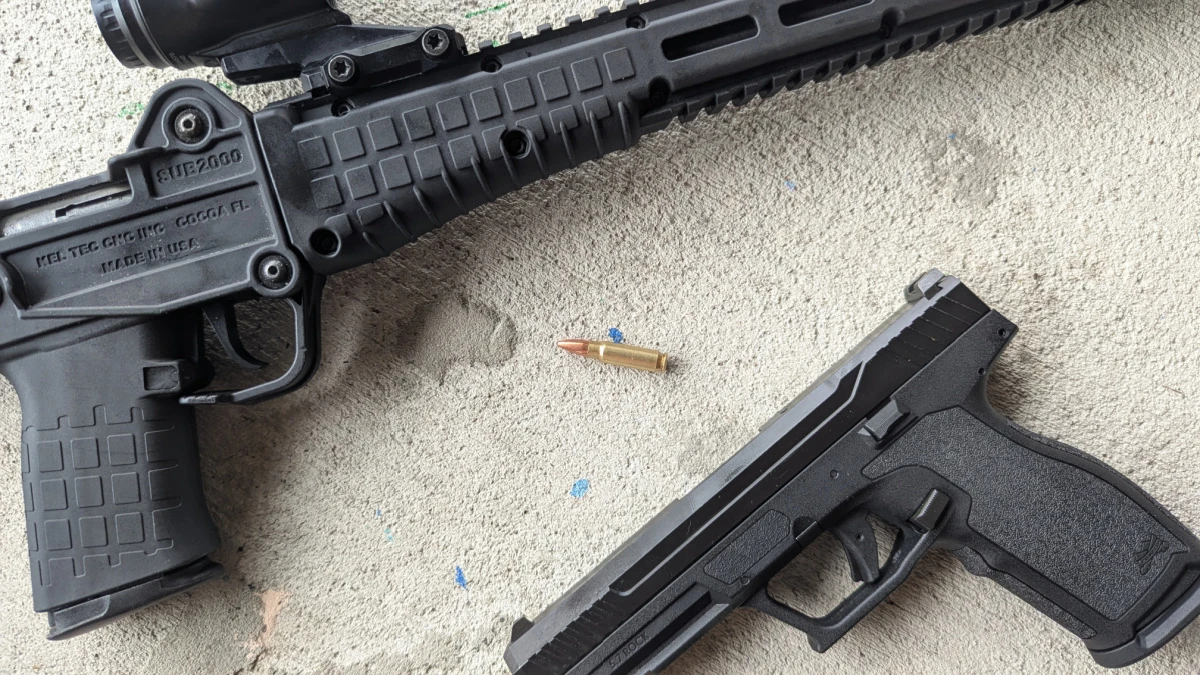
The 5.7x28mm exists in a weird world between pistol and rifle rounds. It doesn’t qualify as a traditional intermediate rifle round, and it’s certainly not a pistol round. The cartridge exists in the same vein as the .30 Carbine. The round has been used in pistols, rifles, and personal defense weapons (PDWs).
PDWs were a genre created by a NATO need. They wanted to develop a short, compact firearm capable of reaching beyond typical pistol ranges. They called for a cartridge capable of penetrating the era’s soft armor. This led to the development of personal defense weapons, which included the P90 and MP7.
The project moved quickly, but languished as the Global War on Terror started. NATO abandoned the project, but the P90 and MP7 saw success with police and special operations units. The 5.7x28mm gained a cult following in the civilian market when FN released the PS90 and Five-SeveN pistol.
Dissecting the 5.7x28mm Ballistics and Size
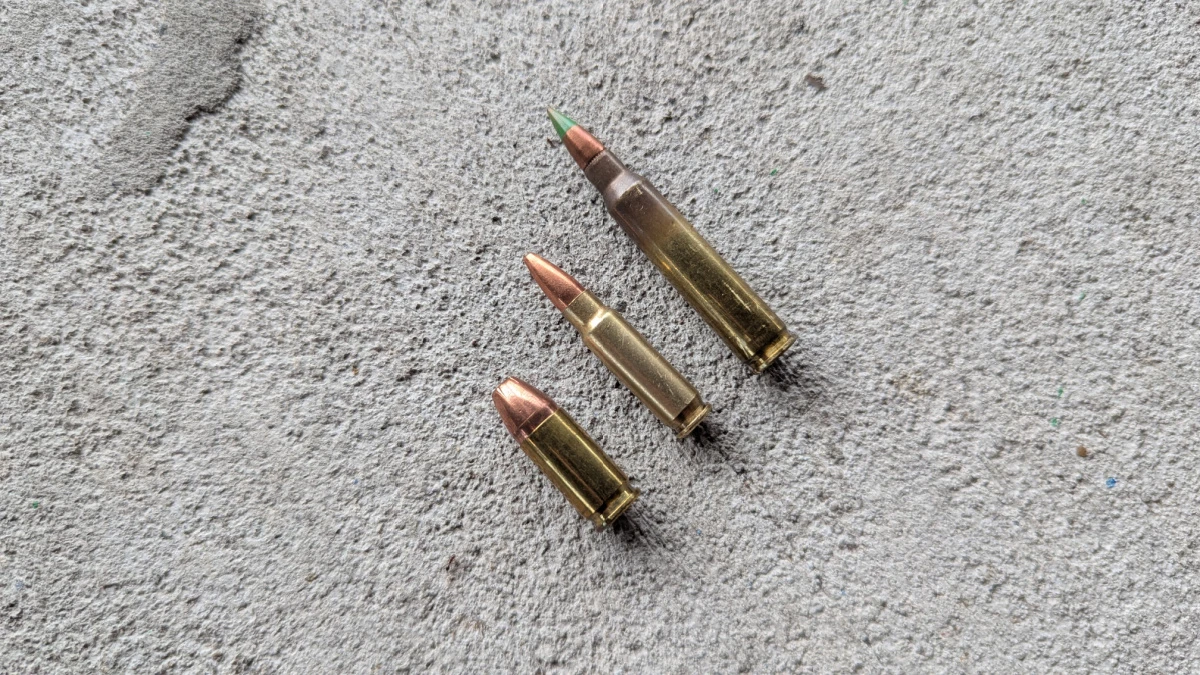
The 5.7x28mm looks a lot like a mini rifle cartridge. The spitzer style bullet and the bottleneck case make it look like someone took .223 and put it through a shrink ray. With that said, if you’re wondering if 5.7 is the same as .223, or close, I have to break your heart and say no. The 5.7 doesn’t pack the range or penetrative power of the 5.56.
With that said, the round moves quite fast for being so small. You can see speeds of up to 2,800 feet per second from lightweight projectiles. Speed’s the key to its success.
How big is the 5.7 round? Well, in Freedom units, it’s a .224 caliber bullet. The projectile weighs anywhere from the lightweight 23-grain rounds to the heavy, subsonic 62-grain rounds. The 28mm case is shorter than rifle rounds, but a lot longer than most semi-auto pistol rounds.
Pros: What Makes the 5.7x28mm Great?
Impressive Flat Trajectory: You can reach out to 200 yards without needing much of a holdover. On my 5.7 rifle, I can zero at 17 yards, and that zero will carry me out to 170 yards on a six-inch target.
Speed vs. Hefty Energy: Is 5.7x28mm more powerful than 9mm? That’s tough to say. It depends on how you judge power. It’s faster, but a lot lighter. By foot pounds of pressure, the 5.7x28mm wins, but the 9mm is a heftier round capable of consistent penetration across soft targets.
Nearly Zero Recoil: The 5.7x28mm also packs nearly zero recoil. People joke it’s an expensive .22 Magnum, but that’s only accurate when describing the gun’s recoil. It has hardly any, and even from a direct blowback gun like the KelTec SUB 2000, the 5.7 feels like a rimfire.
Unique Defensive Ballistics: The round also tends to tumble when it strikes a soft target. This tumbling can create some decent wound tracts for such a small round.
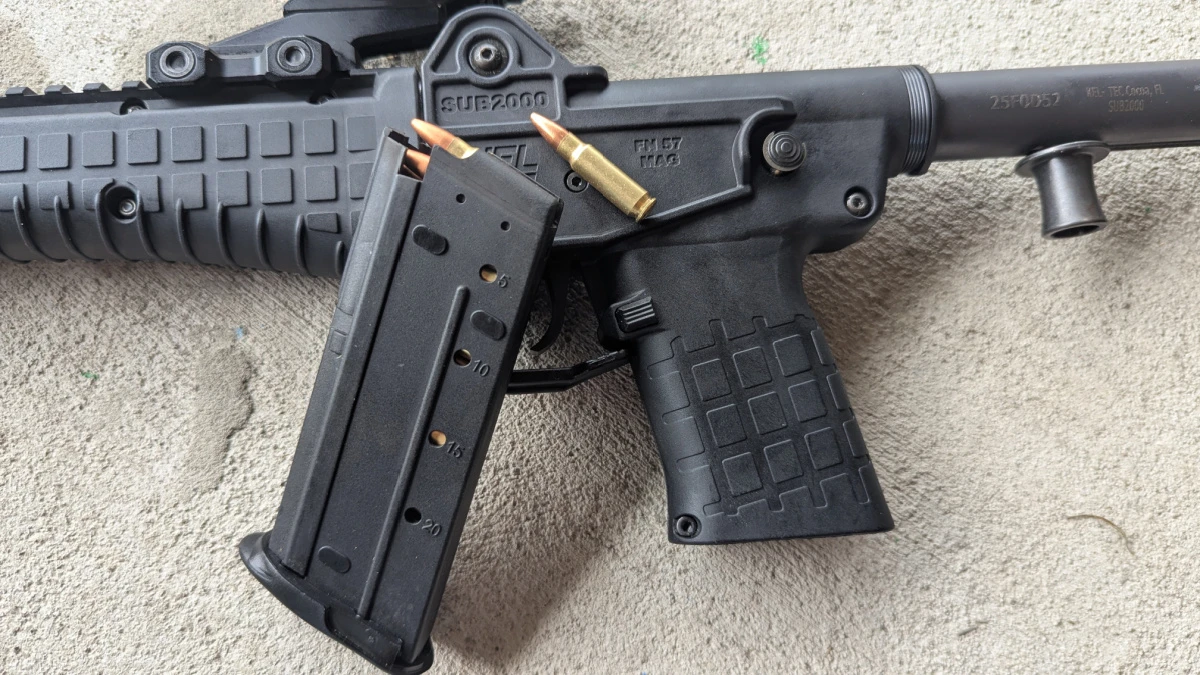
Massive Magazine Capacity: Since the rounds are so small, you can fit an awful lot of them in the magazines. A typical flush fitting magazine for a duty-sized handgun is at least 20 rounds, and it goes up to 23 rounds with some guns.
Lightweight Platforms: Both handguns and rifles that chamber 5.7x28mm can be quite thin and lightweight. This makes them handy little guns that are also low-recoiling.
Cons: The Downsides of the 5.7x28mm Platform
The 5.7x28mm has a number of weaknesses. It’s expensive. Compared to the 9mm, the 5.7 round seems downright expensive. It’s roughly the price of 5.56 on a good day, but it does not offer the range or power of a 5.56 round.
It also doesn’t fragment like 5.56 or cause secondary wound characteristics. Like pistol rounds, it’s a hole puncher that might tumble if you get lucky. It’s not going to offer you the same rifle-like ballistics when it hits a target.
In terms of defensive capability, you have to be exceptionally picky to find a round that both penetrates and expands deep enough to matter. With that in mind, the rounds that work well in a rifle might not work well in a pistol, and vice versa.
The armor-piercing benefit of the 5.7x28mm is lost on the civilian shooter. The ammunition designed to pierce armor is not available, although it is not illegal to own.
Practical Applications: What’s the 5.7 For?
The 5.7x28mm for the average Joe is a fun round with low recoil, high capacity, and excellent range. With that in mind, the cartridge can be an effective defensive option when paired with the right projectile design. The low recoil and good capacity make it a solid option for a shooter who is recoil sensitive.
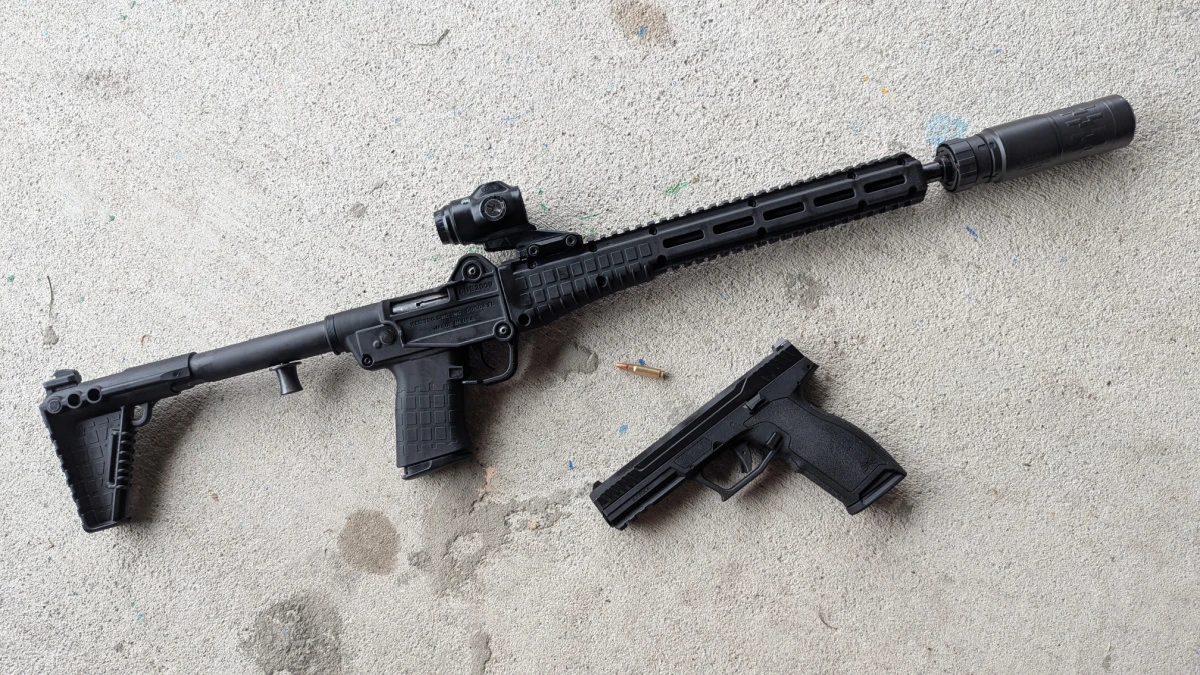
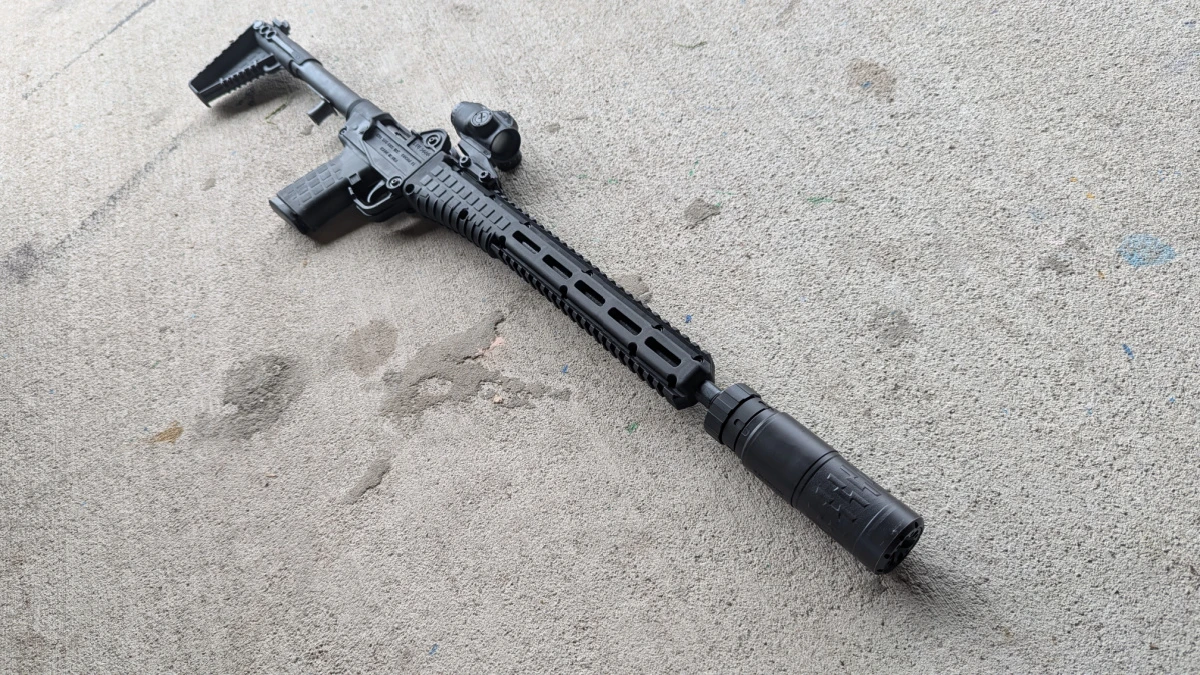
I use my KelTec SUB 2000 as a pest removal gun. It’s cheap, lightweight, folds in half, and can be suppressed. The 5.7x28mm can be good coyote medicine or whistle pig remover, thanks to the extra range it offers over a pistol cartridge. It’s pricey to use for small game hunting, but it’s an option. A rabbit would be easy fodder for a 5.7 projectile.
Best 5.7x28mm Ammo by Use Case
It used to be that FN was the only game in town, but as the cartridge’s popularity rose, a number of ammunition companies jumped on the bandwagon. Let’s break down the right 5.7x28mm ammo by the task you’re trying to perform.
Self-Defense
A capacity-efficient cartridge with minimal recoil and centerfire reliability sounds great for self-defense. The problem is that many defensive-oriented rounds out there don’t meet the established FBI standard of 12 inches through ballistic gel, and little bonuses like expansion aren’t all that great because the round is so velocity-dependent.
Using pure FMJs can get you the penetration you want, but they risk overpenetrating past 18 inches. Meanwhile, most of the base 5.7 ammo produced by FN tends to be poor penetrators. The FN SS197SR, with its 40-grain V-MAX bullet, reaches 12 inches from a 4.8-inch pistol barrel, but just barely. It touches about 1,700 fps here, which means it isn’t moving fast enough to expand, but that lack of expansion is actually what saves its penetration. Put that same SS197SR round in a rifle-length barrel, and it jumps to 2,000 fps. Paradoxically, it performs worse; it expands too early, limiting penetration to just 10 inches.
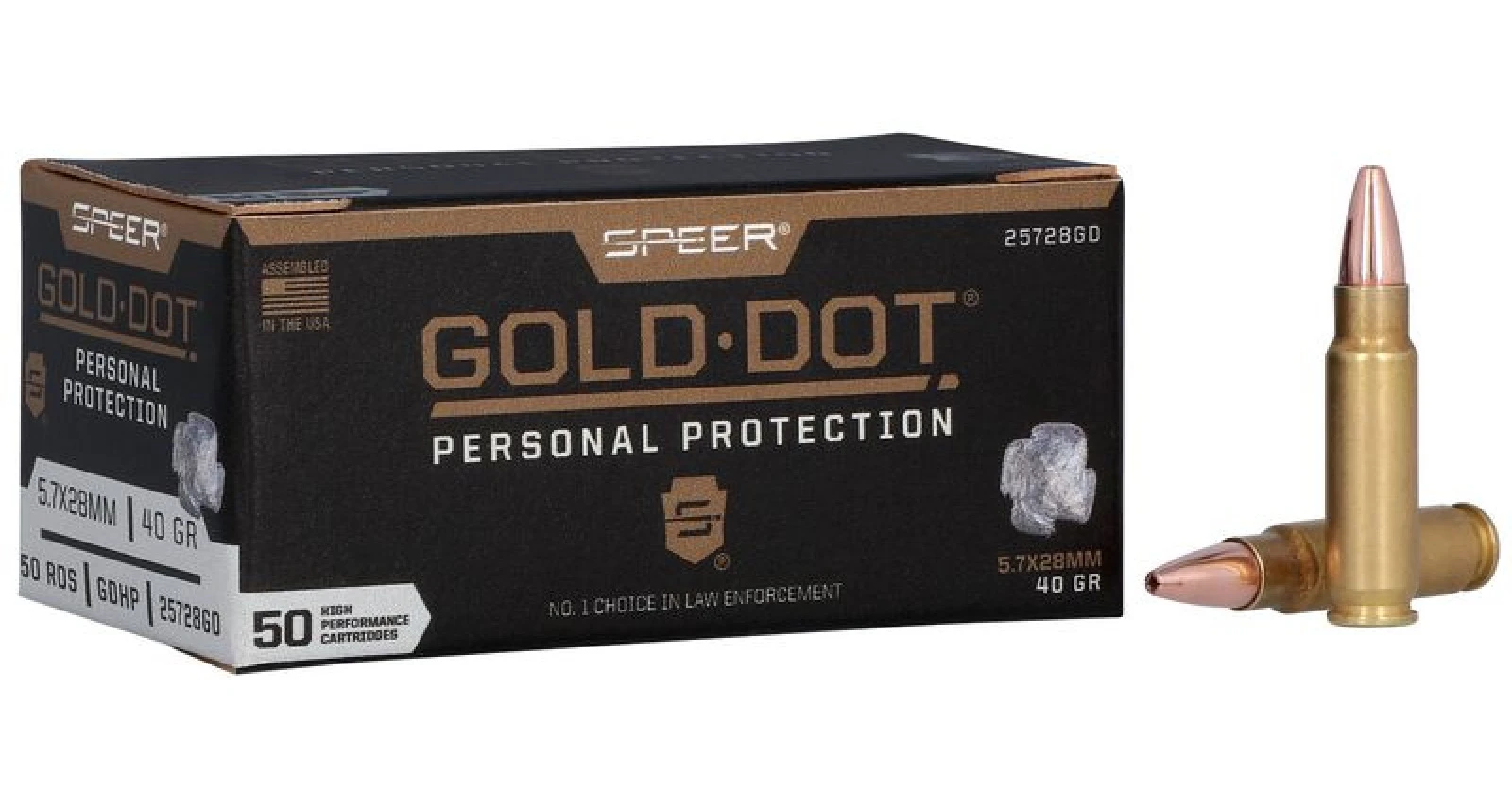
If you want a round for a standard handgun setup, turn to the Speer Gold Dot 5.7x28mm load. It delivers a solid 15 inches of penetration and expands up to .35 inches, nearly doubling the projectile’s size. However, it fails to hit that 12-inch mark from rifle barrels.
For rifles, you need a boutique choice: Vanguard Blackfang Obsidian Dragon. It’s pricey at about a buck a round, but from a rifle barrel, it punches through 16 to 18 inches of gel (and still hits 15 inches from handguns) by focusing entirely on non-expanding, efficient penetration.
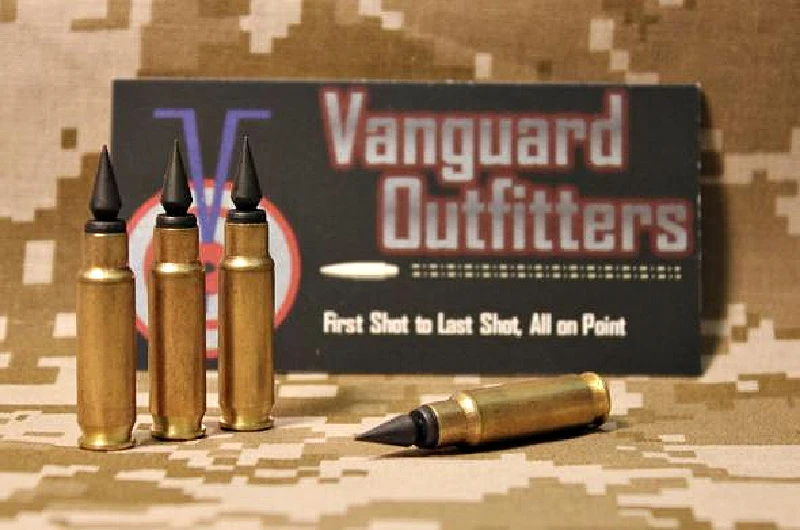
Bottom Line: If you’re running a 5.7 rifle for home defense, feed it Vanguard Black Fang. If you’re trusting your life to a handgun, stick to Speer Gold Dot.
Subsonic
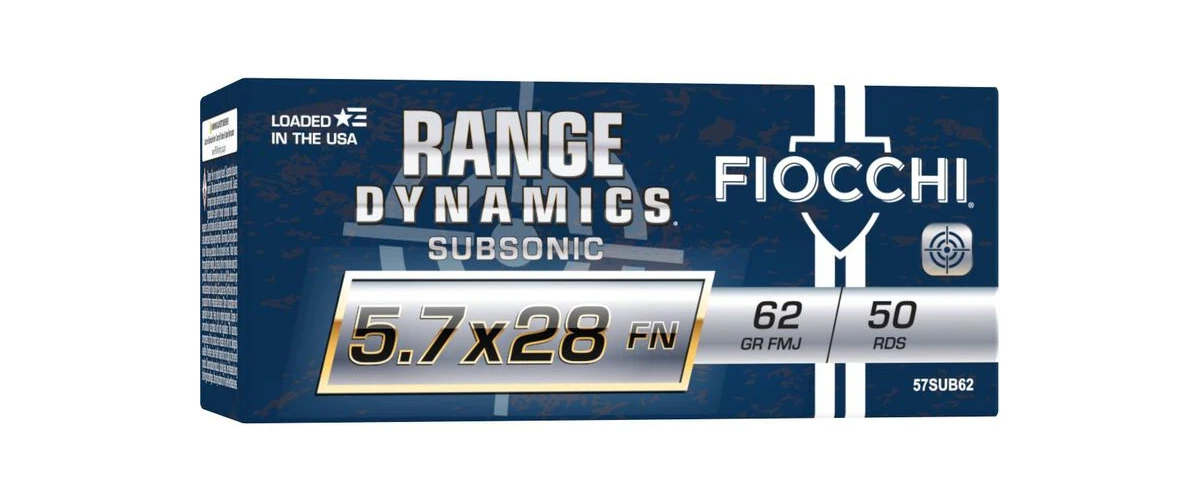
If you want to completely eliminate the signature report of the round, heavy subsonic options exist, like the Fiocchi 62-grain 5.7 load. Just know there’s a major catch: the 5.7’s entire superpower is speed. When you drag it down below supersonic velocities, you kill its terminal performance, get zero expansion, and the velocity curve starts looking more like a mortar than a flat-shooting rifle.
Your range drops off a cliff after 50 yards, which is my strict max subsonic range. I use subsonic ammo almost exclusively for quiet range practice and minor pest control up close—anything bigger than a rabbit is a no-go. Keep in mind that on semi-auto platforms, subsonics need a standard suppressor to build enough back pressure to cycle reliably.
Hunting and Pest Control
The 5.7x28mm is effective for anything from rabbit-sized to coyote-sized prey within 75 to 100 yards, though a good shooter can push it to 150 yards on larger predators. A major benefit is the tiny hole it leaves in small animals, keeping the hides pristine.
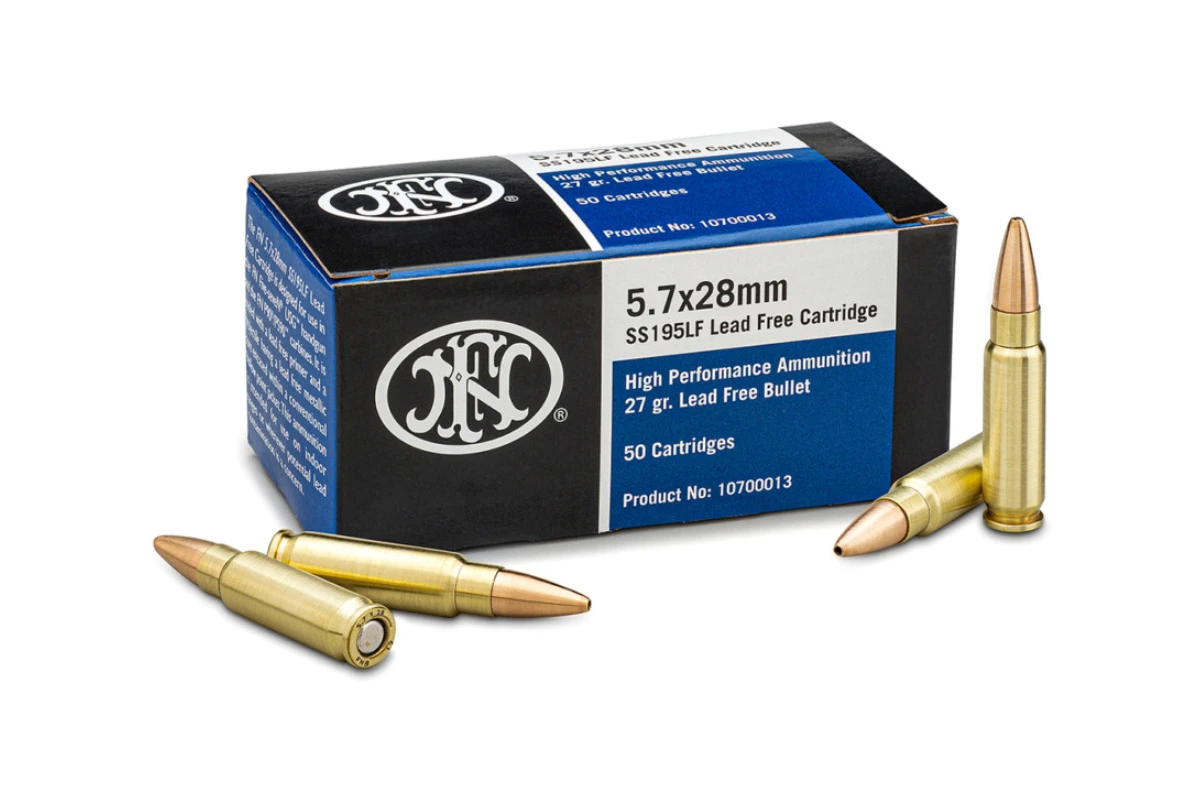
For coyotes, whistle pigs, or bobcats, the Hornady or FN V-MAX rounds are perfect from a rifle barrel. We don’t need FBI-level penetration for small predators; instead, the high rifle velocities cause the V-MAX to expand beautifully for a clean, humane kill. If you are pursuing rabbits and want to keep your footprint clean, grab the FN SS195LF. It’s a 27-grain lead-free round that drops game fast without leaving lead behind in the soil.
Best Suppressors for 5.7x28mm
Suppressing the 5.7×28 can be a little tricky. Not a lot of companies make a dedicated 5.7 suppressor, so your primary route is picking a rimfire can that is specifically rated to handle the extra pressure, as the 5.7x28mm operates at a much higher pressure than a standard .22LR.
Suppressor Model | Caliber Rating | Host Compatibility | Key Tradeoff & Performance |
| SilencerCo Sparrow 22 | Rimfire up to 5.7x28mm | Best for Pistols | Tradeoff: Simplest and lightest/most compact option, but has a bit more “first round pop” than larger cans. Note: Always confirm 5.7 compatibility on your specific generation before buying. |
| SilencerCo Switchback 22 | Rimfire up to 5.7x28mm | Pistols & Rifles (Modular) | Tradeoff: Excellent middle-ground pick. Highly versatile modular length can be run short on handguns or extended for max suppression on rifles, but changing configurations takes time. |
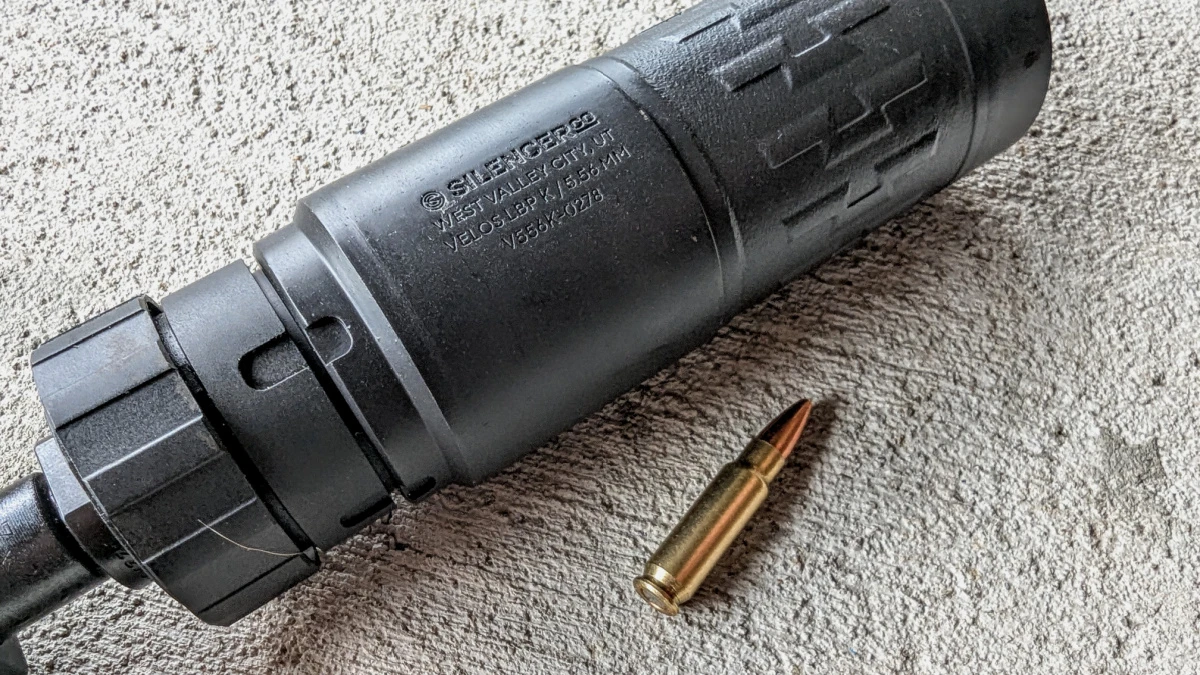
| SilencerCo Velos LBP 556K | 5.56mm Centerfire | Best for Rifles / Carbines | Tradeoff: Heavy and bulky compared to rimfire cans, but offers the absolute best sound reduction by taking the “sting” out of supersonic rounds while completely eliminating gas blowback. |
5.7x28mm: Frequently Asked Questions
What guns use 5.7x28mm?
The platform variety has exploded over the years, covering pistols, rifles, and PDWs. Iconic choices include the FN P90/PS90 and the FN Five-SeveN pistol, alongside newer options like the Ruger-57, PSA 5.7 Rock, and the KelTec P50 or SUB 2000 rifle.
How loud is 5.7x28mm?
Because it is a high-velocity, supersonic round, it has a very distinct, sharp crack that makes it unsuppressed louder than a 9mm. Suppressing it with a 5.56 can takes the sting out and can make it hearing-safe in many environments, but running subsonic 62-grain loads is the only way to make it truly quiet.
What is the best 5.7x28mm ammo for self-defense?
Ammunition selection is exceptionally picky because the round relies on velocity. For a handgun, the Speer Gold Dot 5.7x28mm is the best choice because it expands reliably and hits 15 inches of penetration; for a rifle-length barrel, go with the Vanguard Black Fang Obsidian Dragon to guarantee deep penetration without early over-expansion.
Is 5.7x28mm the same as .224?
In terms of bullet diameter, yes, it shoots a .224 caliber projectile. However, its performance profile is entirely different from other .224-caliber options like the .224 Valkyrie or 5.56 NATO, as it utilizes a much shorter case and lower powder charges meant for compact platforms.
Can you suppress 5.7x28mm?
Yes, you can absolutely suppress it, and it makes for an incredibly fun, low-recoil shooting experience. You just have to ensure you are using either a heavy-duty rimfire suppressor rated for the cartridge’s high pressures or a dedicated 5.56 centerfire silencer.
Conclusion: Is Going 5.7x28mm Worth It?
The 5.7 round is one of the more interesting options on the market. It’s not quite a pistol round, and not quite a rifle round. It’s fast. It’s loud but soft recoiling, and a ton of fun to shoot suppressed. If you are looking for something a little new in the gun world, give 5.7 a shot.
Travis Pike
The post The 5.7x28mm Round: Pistol, Rifle, or Both? appeared first on SilencerCo.
“]]

