


Lithium-ion batteries power our lights, thermals, tools, cameras, and phones, but when they fail, they can fail violently. After one friend lost a house and my brother nearly lost his, I stopped treating battery storage like an afterthought.
Thank you for reading this post, don't forget to follow and signup for notifications!
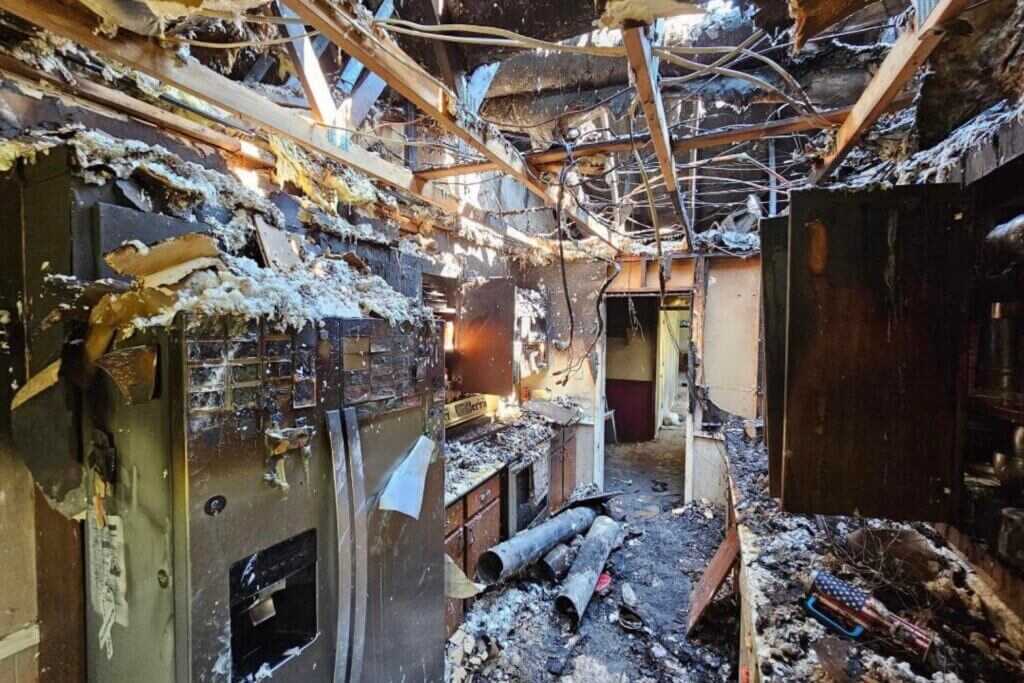
Lithium-ion batteries power everything from flashlights to power tools, but safe storage often gets overlooked until disaster strikes.
We rely on lithium-ion batteries every day. They power our thermal scopes, flashlights, trail cameras, cordless tools, battery banks, and even the phones in our pockets. However, after seeing one house destroyed and another nearly burned down from lithium batteries, I take battery storage and charging much more seriously than I used to.
Table of contents
- Why Lithium-Ion Battery Safety Should Scare Gear Junkies a Little
- Unattended 18650 Batteries Burned My Friend’s House Down
- The Battery Bank Wasn’t Charging, Then It Exploded Anyway
- What Two Lithium Battery Fires Taught Me Fast
- Practical Lithium Battery Storage That Does Not Require a Fire Cabinet
- 1. Use a Metal Container to Slow the Disaster Down
- 2. Keep Batteries Away From Stuff That Wants to Burn
- 3. Store Lithium Batteries Cool, Dry, and Out of the Sun
- 4. Inspect Batteries Before They Become a Problem
- 5. Upgrade to a Purpose-Built Battery Storage Box When Your Gear Pile Grows
- Safe Charging Habits Matter Just as Much as Storage
- Final Verdict: Respect Lithium Batteries Before They Make You
Lithium-ion batteries are incredibly efficient. They pack a lot of power into a small package, which is exactly why they’ve become so popular in hunting, shooting, and everyday gear. Thermal optics, weapon lights, rechargeable flashlights, cameras, drones, and power tools all depend on them.
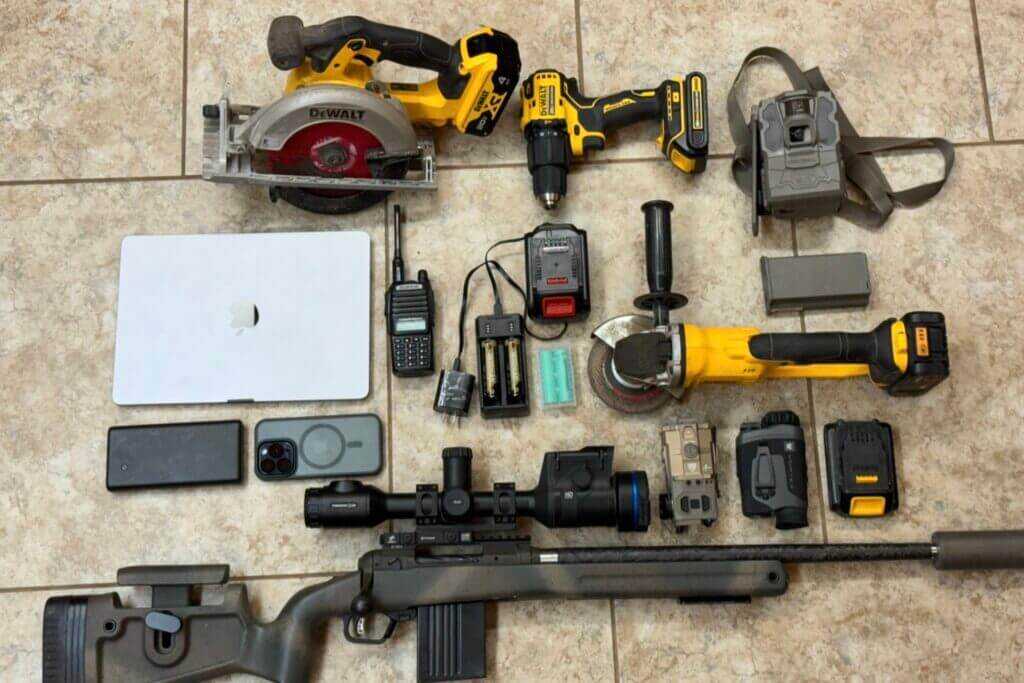
The problem is that lithium-ion batteries can fail violently when damaged, overheated, improperly charged, or internally compromised. When a battery enters thermal runaway, it can rapidly generate heat, vent toxic gases, ignite, and spread fire to nearby materials. Unlike a normal electrical fire, lithium battery fires are extremely difficult to extinguish once they get going.
Most batteries will never cause a problem. Still, the odds change when we start accumulating dozens of cells in one house and treat them like harmless AA batteries.
A friend of mine lost his entire house because of unattended 18650 batteries sitting on a charger while the family was away at work. At some point during the day, a battery failed. By the time anyone knew something was wrong, the fire had already spread through the home. The pictures from that fire are sobering. Seeing a house reduced to a shell because of a few rechargeable batteries changes the way you think about charging habits.
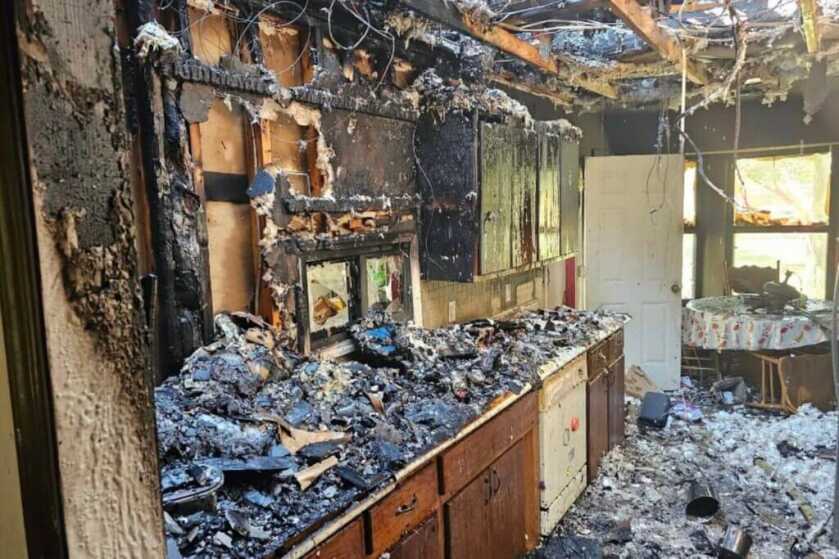
A lot of us in the hunting and shooting world use 18650 batteries constantly. Charging a few cells on the kitchen counter or in the office feels normal because we do it all the time. After seeing what happened to my friend, I stopped viewing unattended charging as a harmless routine.
What really drove the point home for me was an incident involving my brother. He had a rechargeable battery bank sitting on his dresser. It wasn’t charging. Nobody had touched it in days. While he was taking a shower, the battery bank suddenly burst into flames on its own.
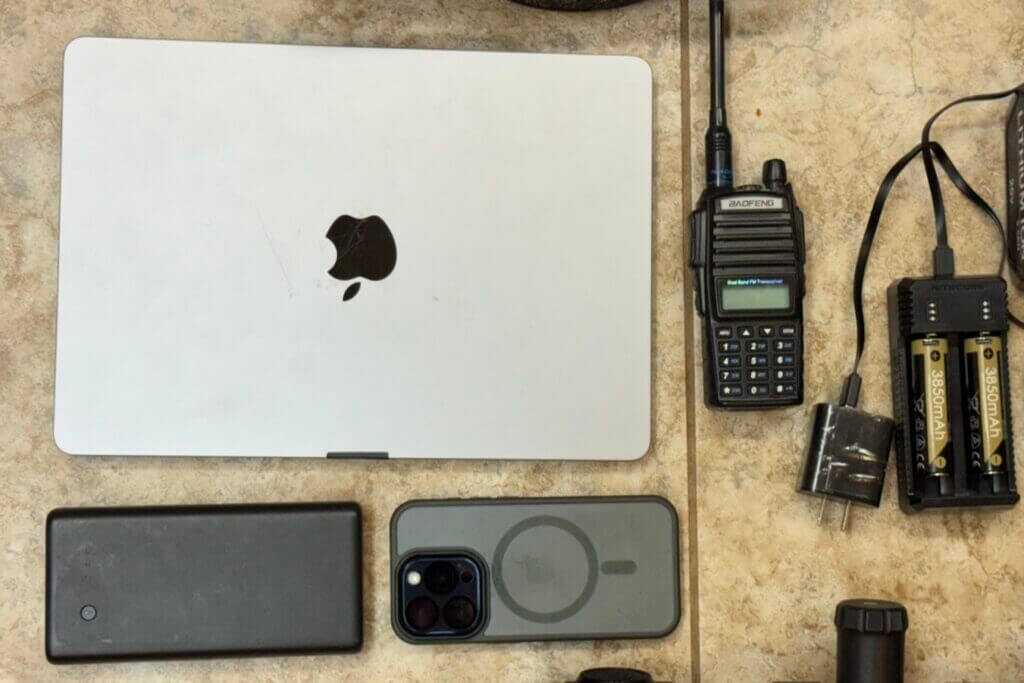
Thankfully, he noticed it quickly. He brushed it into a trash can and rushed outside. Even then, the trash can melted from the heat before the fire was moved away. If that had happened while he was asleep or away from home, his house could have burned down too.
That incident taught me something important: charging isn’t the only danger. A damaged or defective lithium-ion battery can fail while sitting idle. Even to a battery bank that looks completely fine. That’s why storage matters just as much as charging practices.
Before these incidents, I treated rechargeable batteries pretty casually. I’d leave batteries on chargers overnight, toss loose 18650s in drawers, and store battery packs wherever they fit. A lot of people do the same thing because lithium-ion batteries have become so common that they feel routine and safe.
Now I approach them more like I would ammunition, fuel, or propane. They’re useful, but they deserve respect. The biggest lesson is simple: if a lithium battery fails, you want to contain the damage and keep it from spreading to the rest of your house. That means storing batteries away from combustible materials, keeping them organized, and avoiding unattended charging whenever possible.
You do not need an expensive industrial fire cabinet to store lithium-ion batteries safely. Several practical and budget-friendly options work well for most homeowners.
1. Use a Metal Container to Slow the Disaster Down
A steel ammunition can is one of the best inexpensive storage options. Many shooters already own several. A metal container can help isolate a battery failure and reduce the chance of a fire spreading immediately to furniture, carpet, or other combustibles.
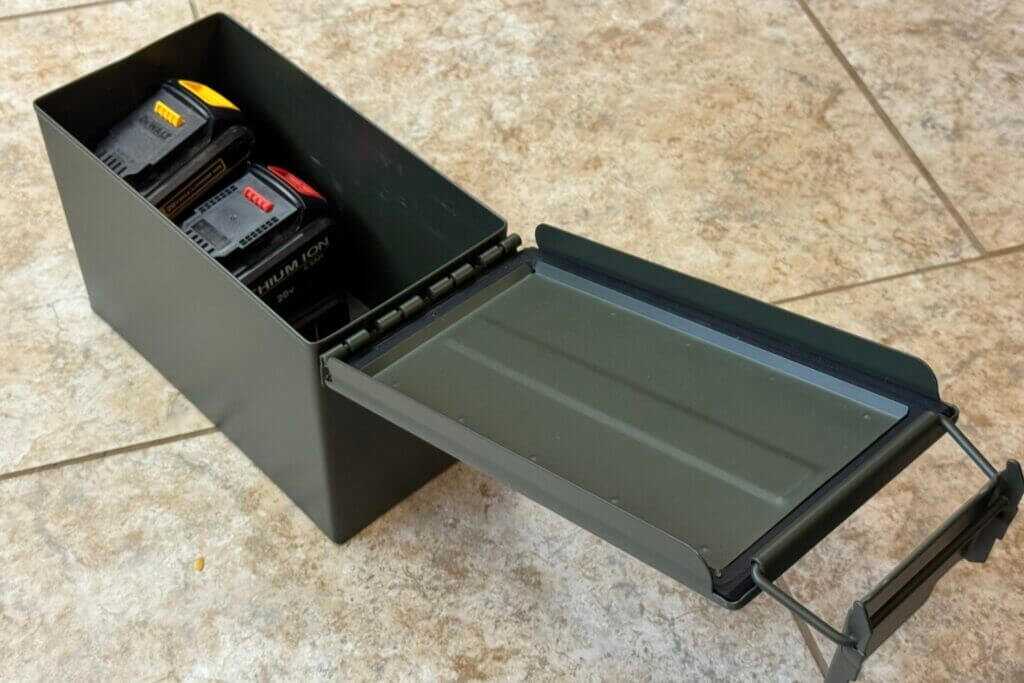
However, do not throw loose batteries into a metal can. Use plastic battery holders or terminal covers so the batteries cannot short against each other or the container. I also used to keep these batteries loose in a chest rig as extras for thermals and flashlights, but now I carry them in designated plastic battery holders.
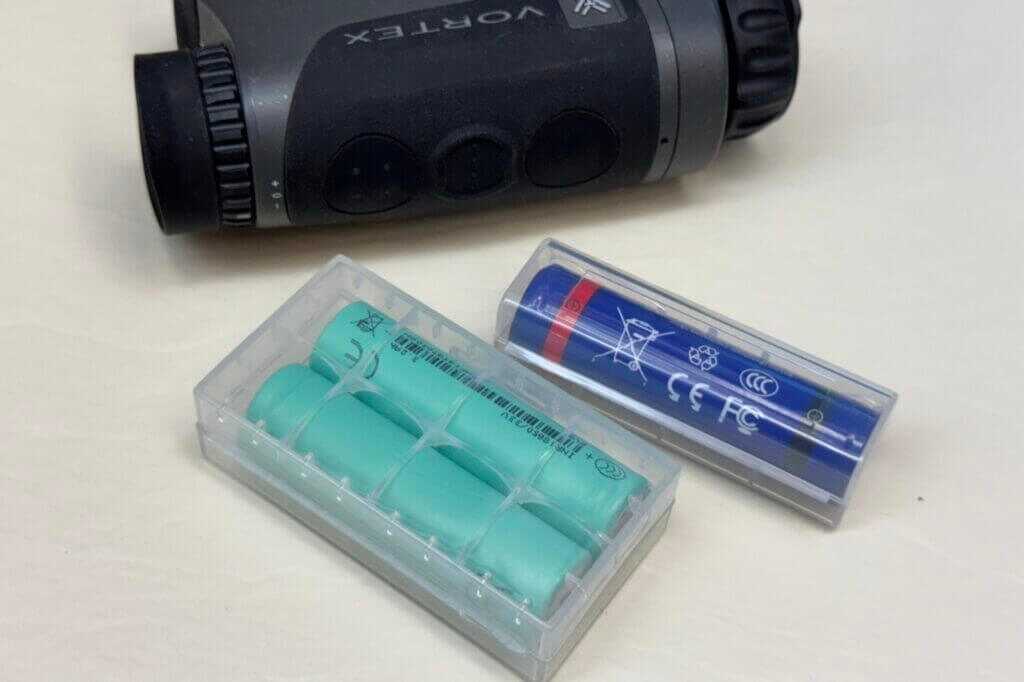
Keep batteries away from cardboard boxes, paper, solvents, fuel containers, clothing, bedding, and wood furniture. A garage shelf, metal cabinet, or dedicated storage area is far better than a nightstand or dresser drawer.
Heat accelerates battery degradation and increases risk. Store batteries in a cool, dry place out of direct sunlight. Avoid leaving them in vehicles during the summer heat whenever possible.
If a battery is swollen, leaking, dented, cracked, unusually hot, or behaving oddly, stop using it immediately. Dispose of damaged lithium-ion batteries properly through a battery recycling program or hazardous waste facility.
If you store a large number of batteries for thermals, flashlights, drones, or tools, a fire-resistant lithium battery storage box is an upgrade worth considering. They cost more than an ammo can, but they are designed specifically for this purpose.
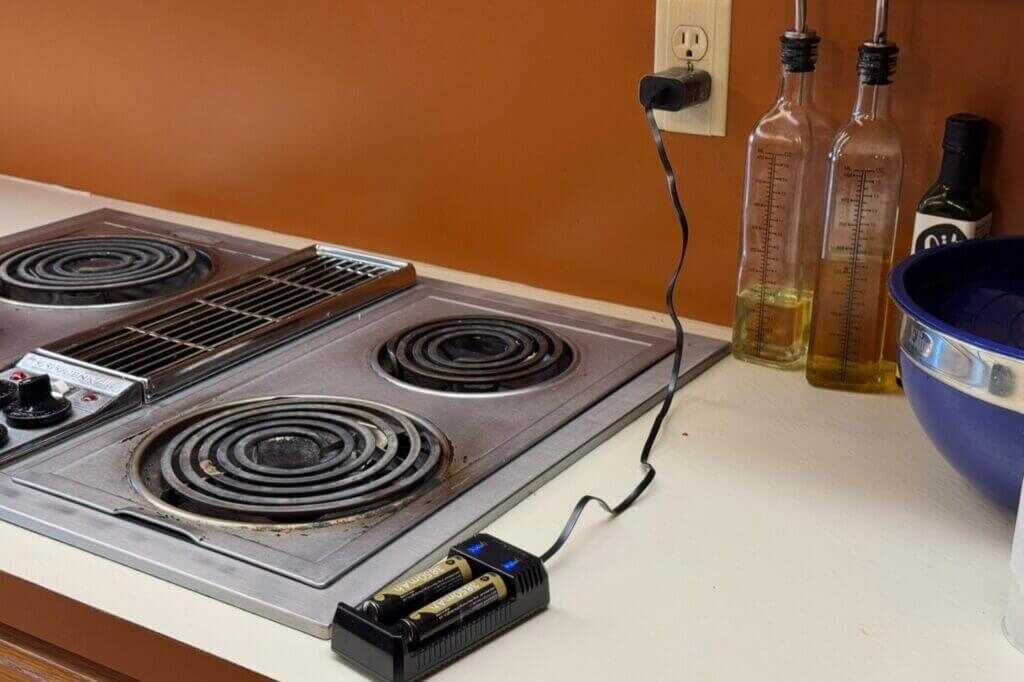
Storage is only half the equation. Charging practices are just as important. I no longer charge lithium-ion batteries unattended if I can avoid it. That means no overnight charging in the bedroom and no leaving chargers running while the house is empty all day. If I’m charging batteries, I try to do it when someone is home and awake.
I also avoid charging batteries on beds, couches, carpet, or near anything flammable. A hard surface like a countertop, concrete floor, or metal tray is much safer. Finally, use quality chargers from reputable manufacturers. Cheap chargers often lack proper protections for overcharging, overheating, and cell balancing.
Lithium-ion batteries are not something to panic about. I use them every day in flashlights, battery packs, cameras, and power tools. They’re incredibly useful, and modern gear depends on them.
But after seeing one friend lose their home to unattended 18650 batteries and watching my brother narrowly avoid another house fire from a battery bank sitting idle on a dresser, I think battery safety deserves a lot more attention than it gets.
Most battery failures are rare. Still, when they happen, the consequences can be catastrophic. A few simple habits can dramatically reduce your risk: store batteries in a metal container, keep them away from combustibles, inspect damaged cells, and avoid unattended charging whenever possible.
Those small precautions take only a few minutes. They may someday save your home, your gear, and your family. If anyone has tales of battery failures of their own, leave a comment on what happened and what you learned to continue growing awareness!

