

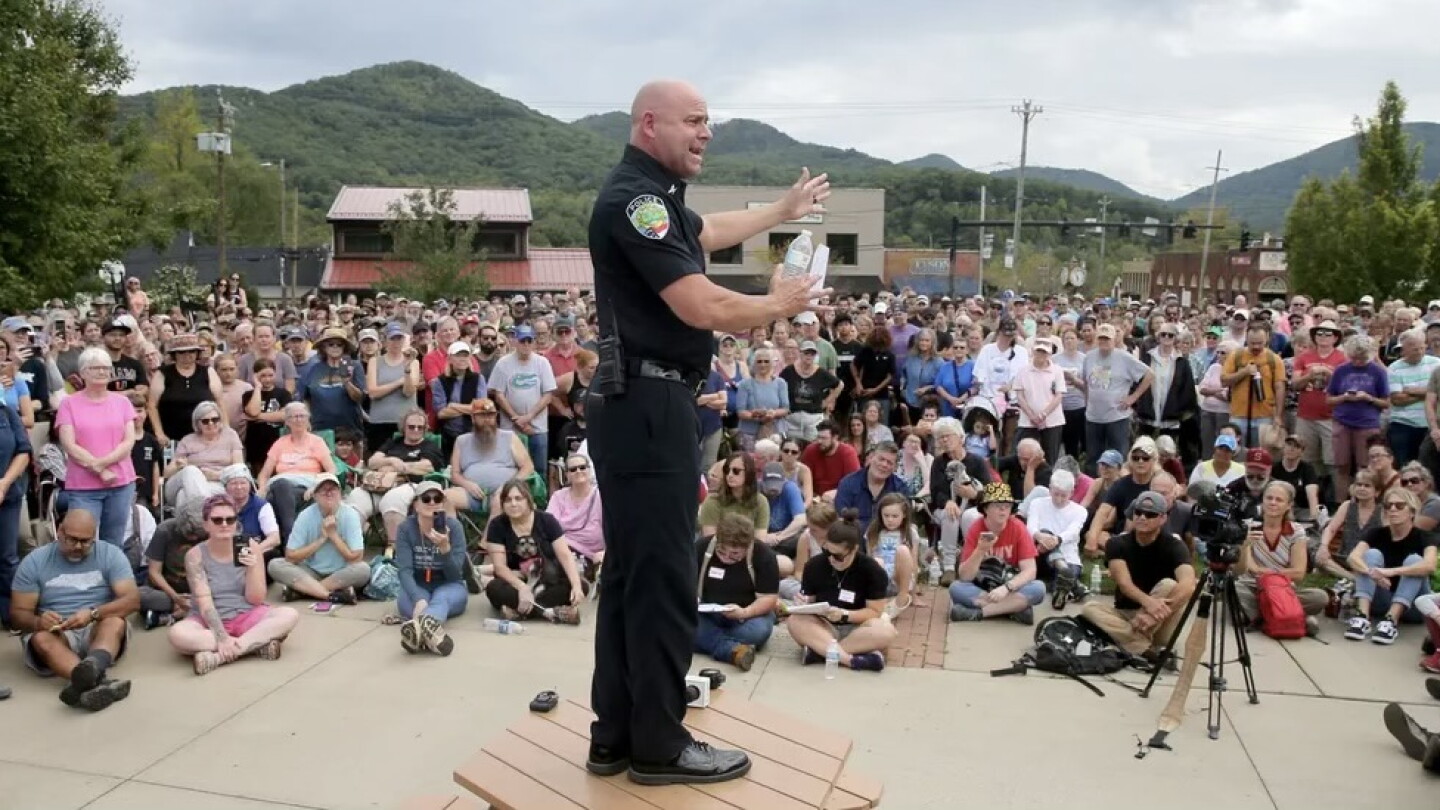
When Hurricane Helene devastated western North Carolina on Sept. 27, 2024, Chief Steven Parker found himself in the middle of one of the most challenging events of his 34-year law enforcement career.
Thank you for reading this post, don't forget to follow and signup for notifications!
Leading rescue and recovery operations amid widespread destruction, Parker helped coordinate thousands of evacuations and more than 400 life-saving rescues. The storm claimed 108 lives and caused billions of dollars in damage.
Despite the tragedy, the experience reinforced a lesson Parker believes every officer should carry throughout their career: Be a coffee bean.
That philosophy, shaped by decades of service, tragedy, leadership and family, has helped Parker remain committed to a profession he still loves.
The brotherhood that shaped a young deputy
Parker’s father was a colonel in the United States Marine Corps who served two tours in Vietnam and received a Presidential Citation. Near the end of his career, he was assigned to the Pentagon.
Steve looked up to his father and described him as “a hell of a role model.”
As the child of a career Marine, Parker spent part of his youth in Quantico, Virginia, home of the Marine Corps. Looking back, becoming an honorable sheepdog may have been inevitable.
In 1992, Parker joined the Mecklenburg County Sheriff’s Department. A year later, an event occurred that would have a lasting impact on him.
Charlotte-Mecklenburg Police Officers John Nobles and Anthony Barnette pursued a robbery suspect into a wooded area. During the struggle, one of the officers was disarmed. Armed with the officer’s weapon, the suspect murdered both officers.
The county mobilized 700 officers and launched an intensive manhunt. The suspect was eventually apprehended, tried, convicted and sentenced to death.
The murders, the manhunt and the funeral left a profound impression on Parker.
“I was moved by the brotherhood that was on display and wanted to be a part of that brotherhood for life,” he said.
Finding purpose on SWAT
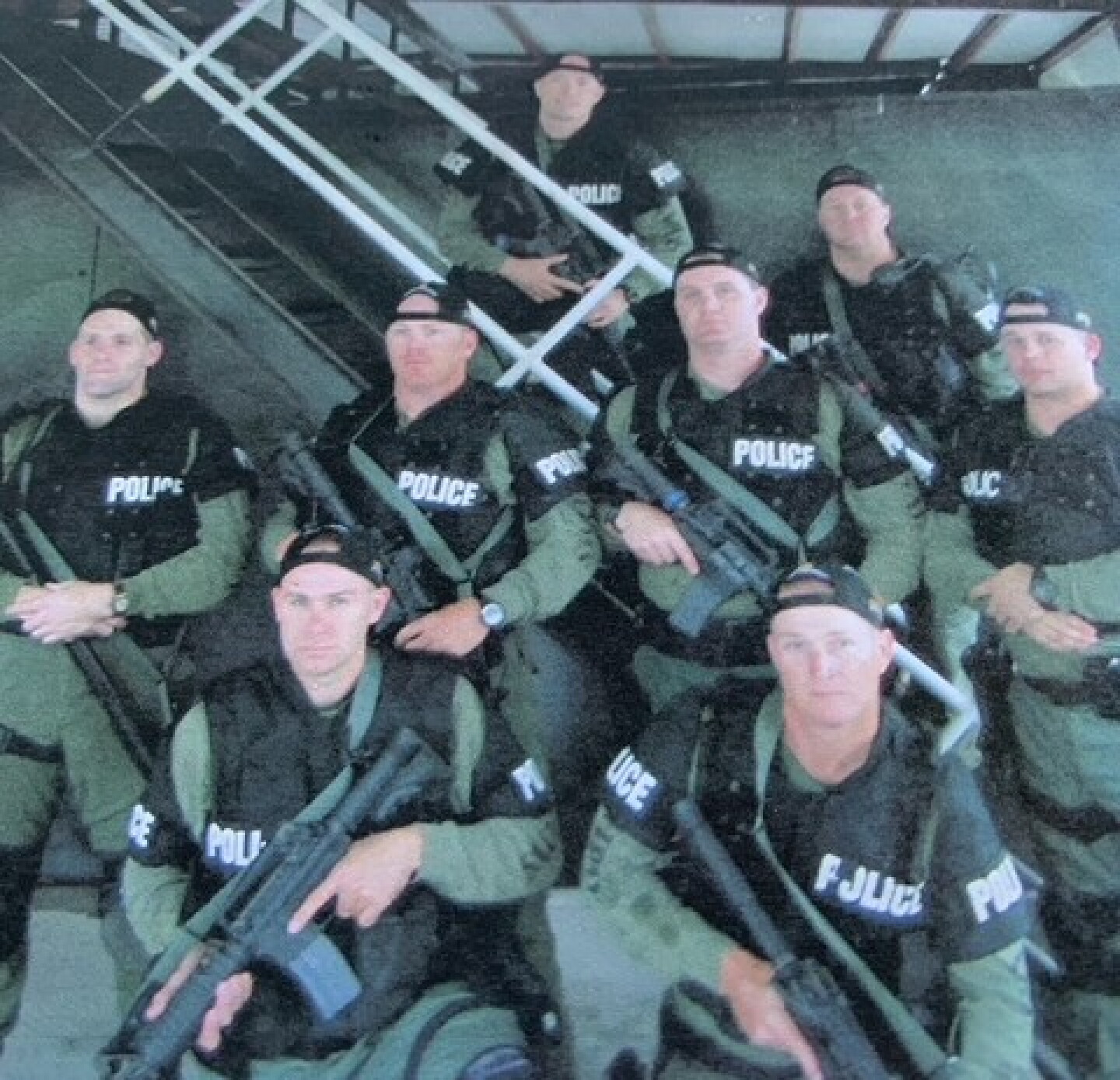
In 1995, Parker transferred to the Rock Hill Police Department in South Carolina. Three years later, he joined the department’s SWAT team.
Joining SWAT deepened his appreciation for law enforcement.
“I got into law enforcement, like most officers, to help people,” Parker said. “I found that you could indeed help people. However, when I joined SWAT it took helping to the next level. Officers are not equipped to handle some high-risk situations alone and I loved being part of the team they called when they needed help.”
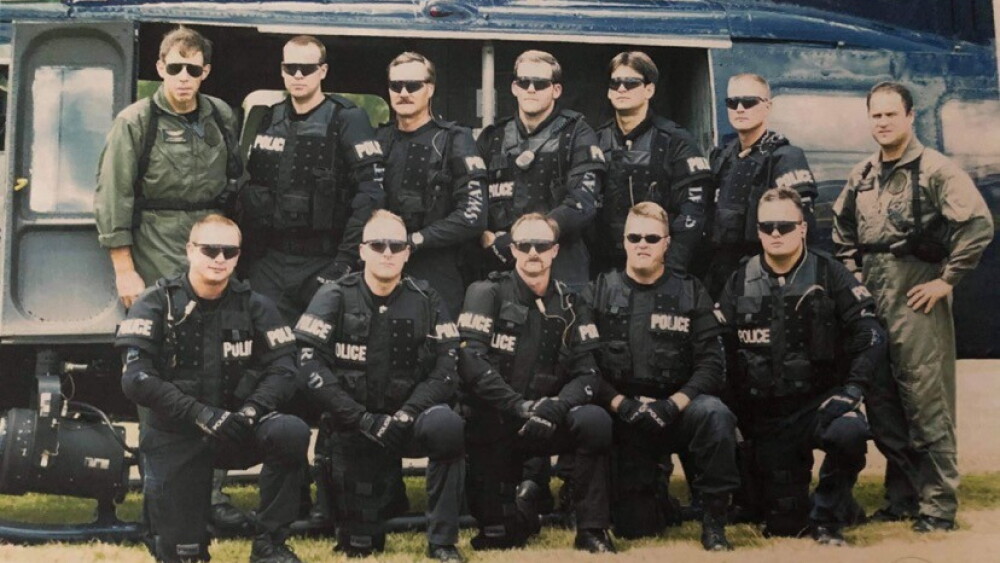
Parker said his favorite SWAT assignments involved apprehending homicide suspects without incident.
“When you went out after homicide suspects and took them into custody without incident, it moved me because I was able to help not only officers, but also a victim’s family get closure while ensuring he didn’t kill again.”
Parker was proud to serve on a nationally recognized SWAT team. After joining the competition team in 1999, he helped win five major SWAT competitions in a row. The team also competed internationally and finished fourth.
During his Rock Hill career, Parker worked patrol, K-9, investigations and narcotics. He also participated in Operation Street Sweep, which resulted in the arrest of 19 gang members wanted for crimes ranging from drug trafficking to murder.
Leadership through crisis
Parker eventually rose to the rank of major, overseeing patrol operations and serving as second-in-command of the Rock Hill Police Department.
After 20 years with the agency, he became chief of police in Tega Cay, South Carolina.
When he retired from Tega Cay in 2021, the South Carolina House of Representatives passed a resolution recognizing him for “outstanding service to the State of South Carolina.”
Retirement, however, proved short-lived.
Parker accepted the position of chief of the Black Mountain Police Department in North Carolina, where his leadership experience would soon be tested by Hurricane Helene.
His long-standing relationships in law enforcement became invaluable. After sending out a simple message asking for help, agencies from neighboring jurisdictions responded, including members of the Charlotte-Mecklenburg SWAT Team.
Despite widespread outages of power, water, internet and communications, responders carried out thousands of evacuations and hundreds of rescues.
“Even though this has been the most difficult part of my career, it has also been the most gratifying because I was able to be part of a team that helped thousands,” Parker said.
Why cops should be coffee beans
Parker believes the demands of law enforcement can weigh heavily on officers if they allow the profession to define how they see the world.
He advises officers to maintain physical fitness, treat their bodies as the tools that protect themselves and others, and remember that while they spend their shifts dealing with society’s worst problems, most people are still good.
He also embraces advice from motivational speaker Damon West.
“When you put a carrot into hot water it gets soft. When you put an egg into hot water it gets hard and cynical. The hot water changes the carrot and the egg, but the water remains unchanged,” Parker explained.
“Cops need to strive to be like the coffee bean. When you put a coffee bean into hot water, it changes the water into something better. Cops, like the coffee bean, need to be the catalyst that changes their environment into something better.”
He also points to another lesson from author Paul Butler: “Don’t be a worrier, be a warrior. You can’t be pitiful and powerful at the same time.”
A full-circle moment
Parker’s commitment to service appears to have influenced the next generation of his family.
His daughter is completing a master’s degree in psychology with a minor in criminal justice and already works with agencies as an embedded clinician.
His son serves with the York County Sheriff’s Office and is a member of its SWAT team.
When his son’s team recently won a major SWAT competition, Parker described it as “a full-circle moment.”
Message to the next generation
Parker wants young people considering a law enforcement career to understand the impact they can have on others.
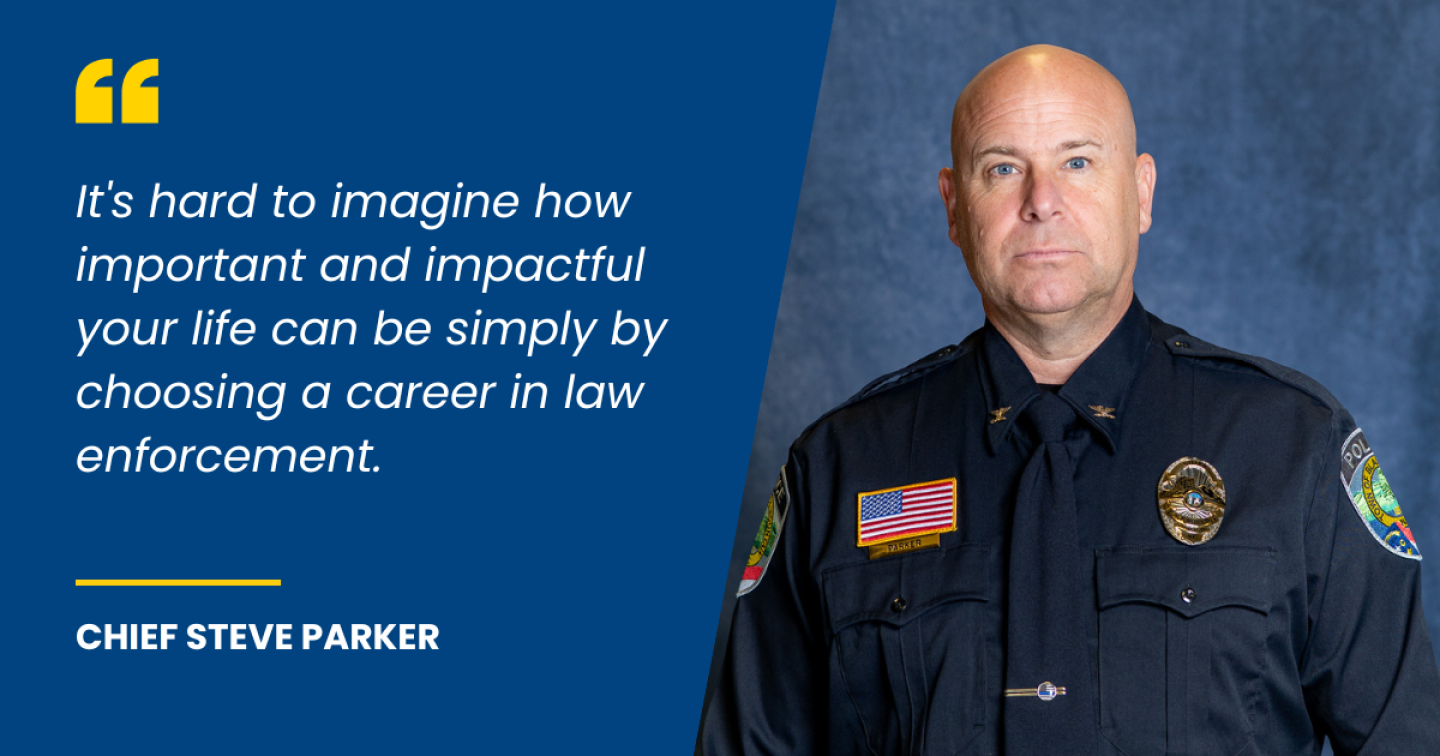
“In my experience, law enforcement has been the most gratifying job and life experience,” he said. “It’s hard to imagine how important and impactful your life can be simply by choosing a career in law enforcement. I highly recommend it.”
After 34 years in law enforcement, Parker still isn’t sure when he will finally retire.
“I don’t like the politics, but I still love the work,” he said.
It’s a perspective forged through tragedy, SWAT operations, leadership roles and disaster response. And if Parker hopes officers remember one lesson from his career, it’s this: Be a coffee bean.

