

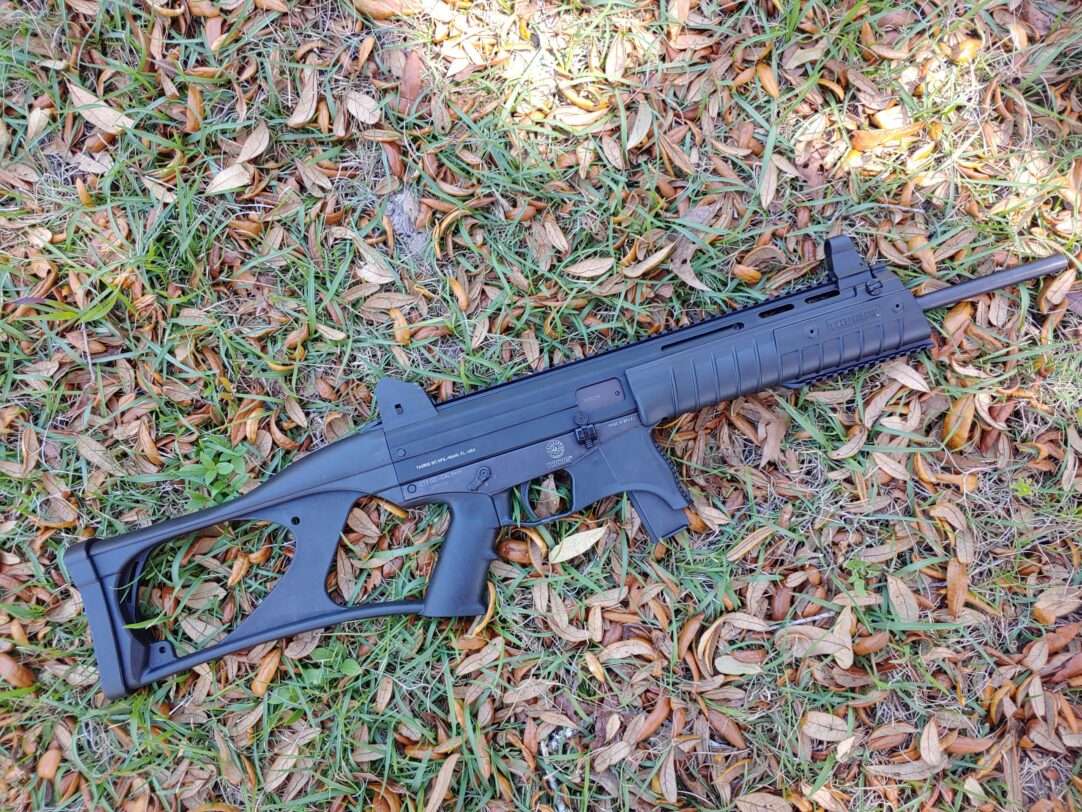
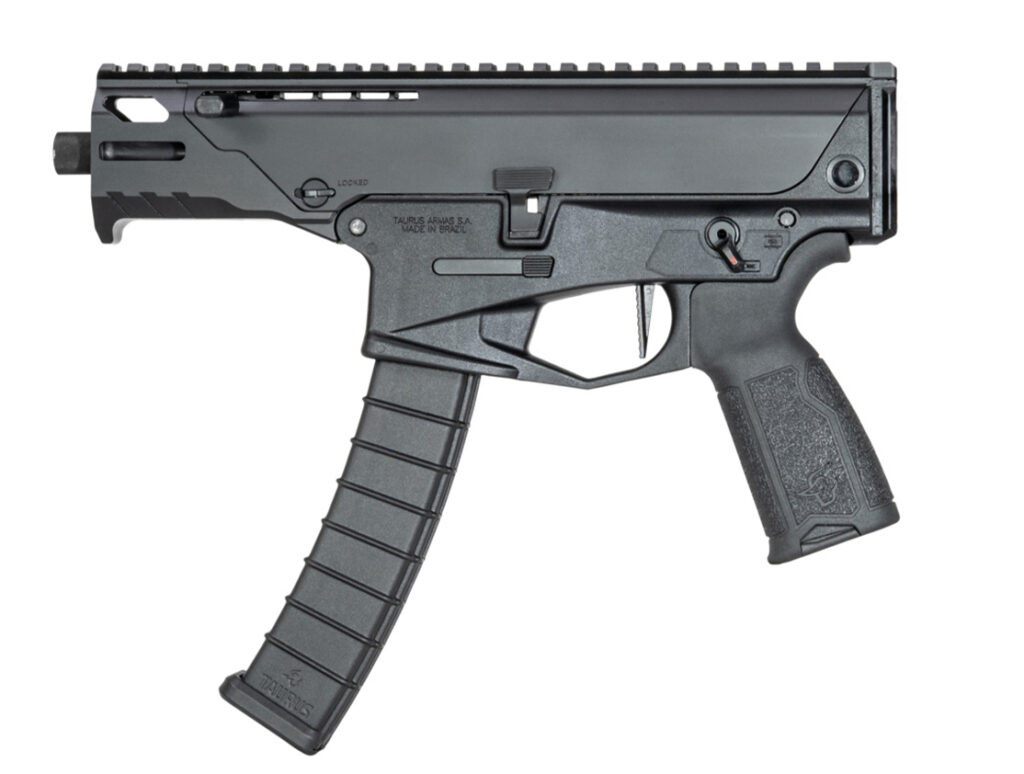
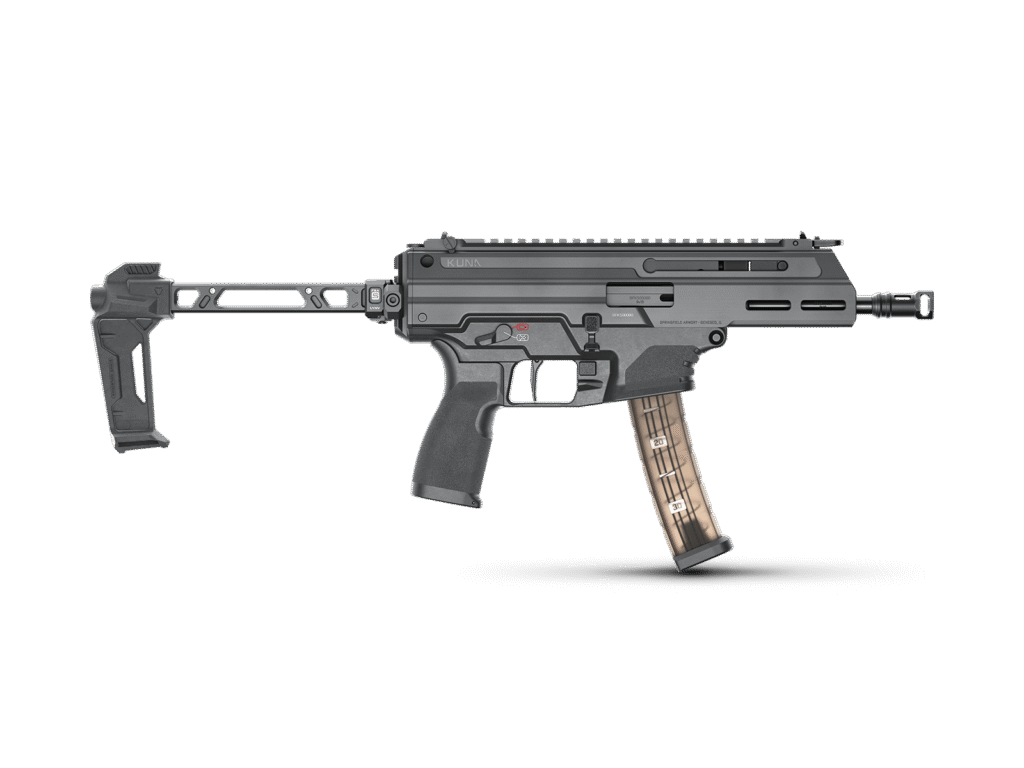
As I write this, Taurus just released the RPC, its new large-format pistol or pistol-caliber carbine. The big takeaway for many of us shooters was that it’s a roller-delayed design. About a year ago, I got my hands on Springfield’s Kuna, another roller-delayed PCC. It seems like delayed blowback keeps coming up, and straight blowback is heading to the great graveyard in the sky.
Thank you for reading this post, don't forget to follow and signup for notifications!
- What’s Straight Blowback?
- The Delayed Blowback Option
- The Death Of Straight Blowback
- The End
Angstadt Arms has the MD9, CMMG has long produced the radial delayed Banshee series, and PSA released the AR-V Sabre model with the Maxim RDP system to turn a direct blowback gun into a roller delayed design. We can keep going, naming more and more PCCs and large format pistols that have ditched the straight blowback design.
Advertisement — Continue Reading Below
Taurus is typically known as a budget brand. In the last few years, they’ve done wonders to improve their reputation amongst American consumers. Still, their most popular guns are budget-friendly blasters. They were the last company I expected to see a roller delayed PCC from. In doing so, I think they’ve put the first nail in the straight blowback coffin.
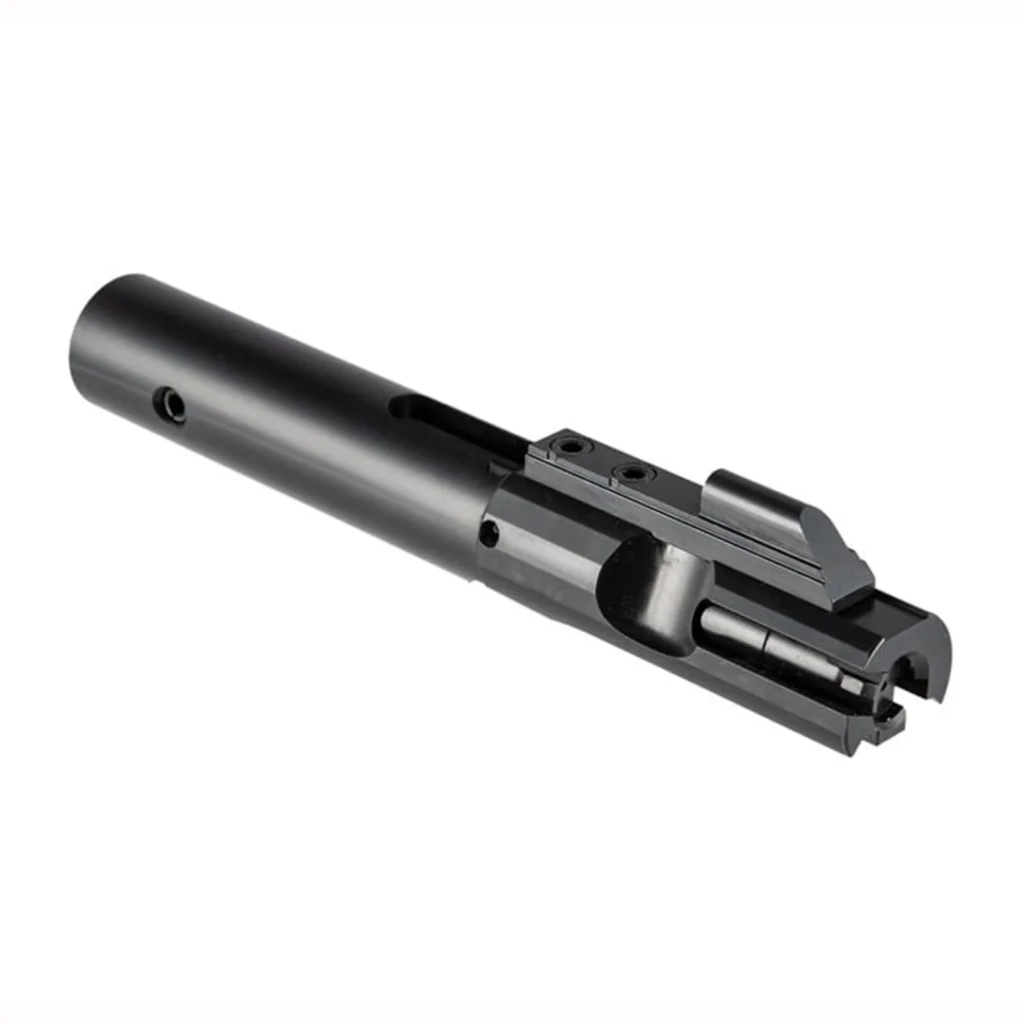
Straight blowback is the most common operating system in PCCs. Its use in PCCs comes from its use in submachine guns. It’s a very simple system that uses the energy of the fired cartridge to cycle the weapon. With a straight blowback gun, the only thing that keeps the action closed is the weight of the bolt and the strength of the recoil spring.
These systems work and work reliably. If they didn’t, we’d know. The vast majority of PCCs on the market use a straight blowback system. It’s cheap, it’s easy to produce, easy to develop, and low-cost to implement. However, straight blowback guns have their problems.
Advertisement — Continue Reading Below
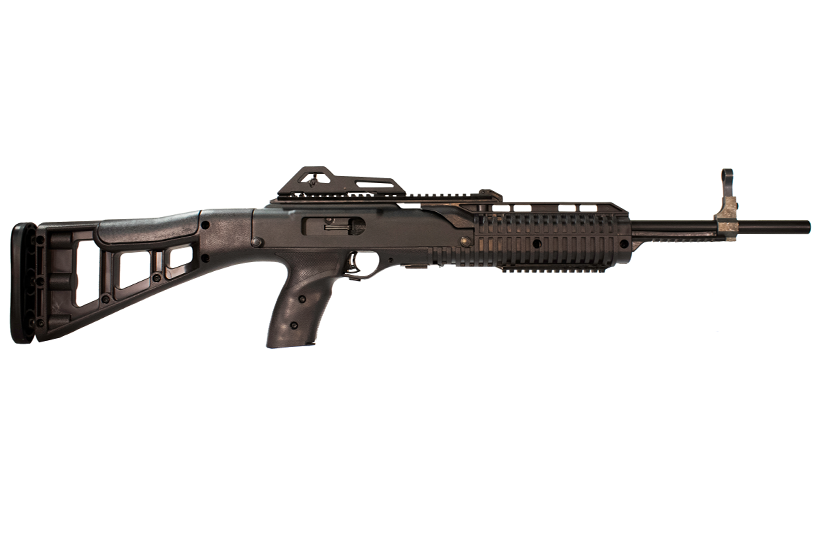
They do require a heavy bolt, buffer, and recoil spring. This creates a hefty weapon that can take some serious effort to cock and load. The straight blowback design also imparts excessive recoil. A 9mm AR recoils with the same force as a 5.56 AR. Sure, it’s not much, but it’s more recoil than it should be.
Straight blowback guns are dirty and can be uncomfortable when equipped with a suppressor due to gas blowback. After running a blowback gun suppressed, you’d think it was vaping a Victorian coal mine.
Advertisement — Continue Reading Below
Most of the modern PCCs are using a delayed blowback design. The MPX does use a gas system, making it one of the most refined and advanced options. Gas systems are great, but I doubt we’ll see a big rise in gas-operated PCCs.
Delayed blowback systems seem to be the future of PCCs. A delayed blowback system still uses the blowback principle, but unlike straight blowback, there is a mechanism besides a heavy bolt and recoil spring to delay the gun’s opening.
Advertisement — Continue Reading Below
Roller delayed uses a set of rollers built into the bolt. Radial delayed uses teeth on the bolt to lock into the chamber and unlocks with force applied. These systems are more complicated, but just as reliable as a straight blowback gun.
They produce very little recoil and maintain a very lightweight design.
The industry is currently awash in pistol-caliber carbines. Every company I know of is working to produce its own. They remain popular, especially due to the price of 9mm remaining fairly stable. All this competition has flooded the market, and if you’re a company trying to unveil a new PCC, you have to take steps to stand out.
Advertisement — Continue Reading Below
You can do stuff like make it fold or make it super cheap. Those work, but the surefire way to get people’s attention is to deliver your PCC with an operating system that isn’t a straight blowback. For guys who enjoy and shoot PCCs, like me, that’s an instant attraction to your design.
Roller delay seems to be the hotness. It has a long history with the MP5, and it’s basically a brand unto itself. It also works well. It reduces recoil, allows the gun to be thin and lightweight, and is extremely enjoyable. It seems to suppress well in my limited experience.
Advertisement — Continue Reading Below
Now, what really makes it tough for straight blowback guns to exist is that roller-delayed guns are now out of the MP5 realm. MP5s, even clones, are a bit ridiculous in price. The Kuna and the RPC are both being sold for under a grand.
One of the benefits of a straight blowback is affordability. If companies keep pushing out delayed blowback guns for a lower and price, then what’s the point of straight blowback?
Straight blowback won’t ever really die. It’s too simple, too reliable, and too affordable. However, I do see a future where straight blowback becomes a budget option and nothing more for PCCs. The next wave of PCCs from big brands will have some form of delay mechanism and still be a fairly affordable option.
Advertisement — Continue Reading Below

