

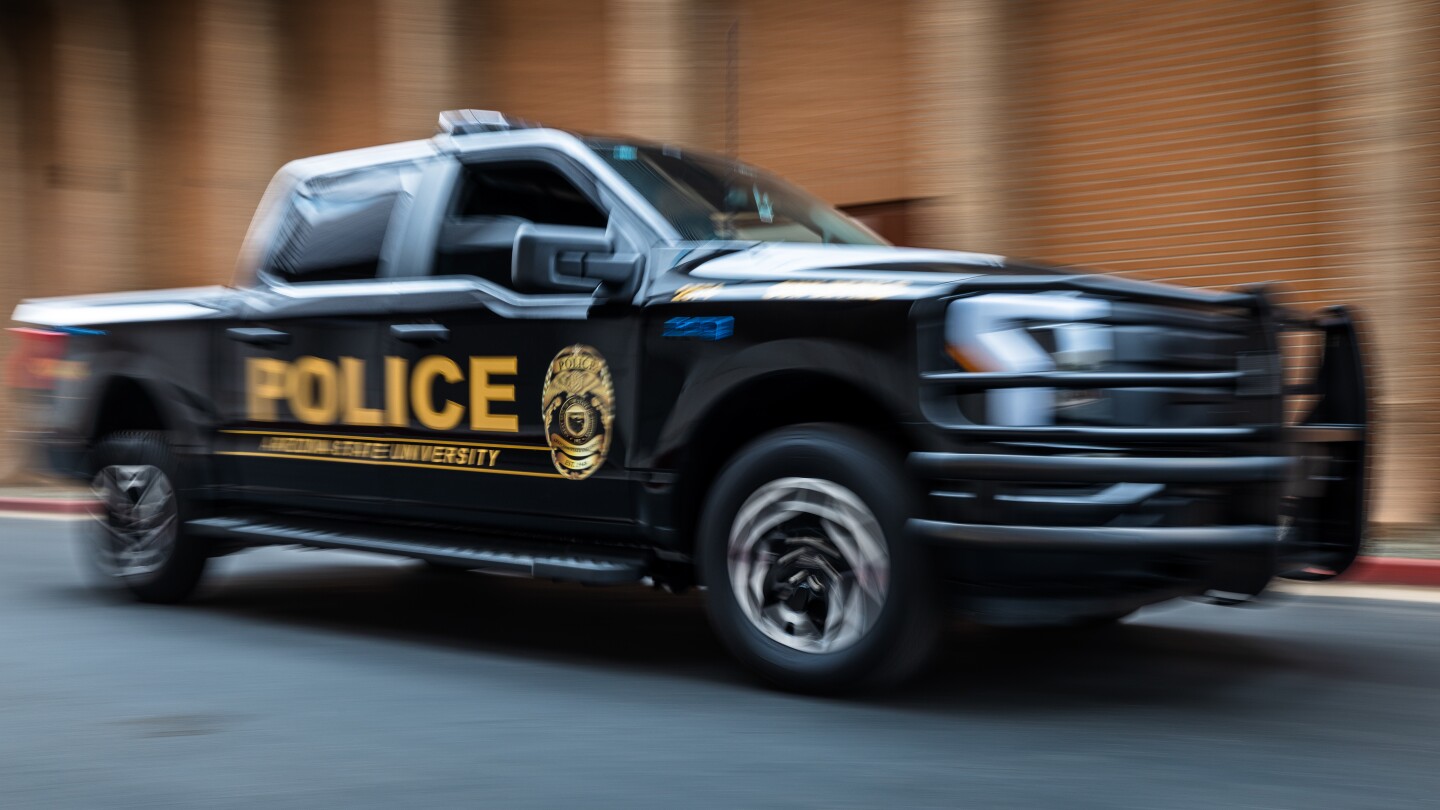
PHOENIX — Arizona State University’s police department is testing whether electric vehicles can handle the demands of frontline patrol work.
Thank you for reading this post, don't forget to follow and signup for notifications!
The agency has launched a six-month pilot program on its Tempe campus that puts two full-size electric patrol trucks into 24/7 service, according to ASU News. The goal is to see whether EVs can match the performance, durability and readiness of traditional patrol vehicles while also reducing long-term costs.
| DOWNLOAD:The patrol car checklist: A veteran-to-rookie field guide
In February, the department added a Ford F-150 Lightning and a Chevrolet Silverado EV to its fleet. Both vehicles have been outfitted with standard patrol equipment, including emergency lights, sirens, mobile data computers, radios, medical kits and automated external defibrillators. The F-150 Lightning also includes updated department graphics and a single-person detainee transport compartment.
ASU police already use electric motorcycles, e-bicycles and several other EVs for support functions such as investigations and travel by non-patrol officers. This pilot pushes that effort into frontline patrol.
Over the next few months, officers will use the trucks around the clock alongside the department’s hybrid patrol vehicles. The EVs will respond to calls for service, make traffic stops and be evaluated during day-to-day operations.
“How does the vehicle handle the additional power draw from patrol equipment, and how does that affect overall performance? Can it keep up with its gasoline-powered counterparts? Will it hold up in the Arizona heat?” Cmdr. Tony Momon said. “These are all questions we are looking to answer. We’ll be evaluating durability, battery performance and range, as well as overall operational readiness.”
Arizona’s extreme heat is expected to be a major part of the test. The campus also gives officers a demanding patrol environment, with stop-and-go traffic, heavy pedestrian and bicycle activity, large events and constant visibility.
Charging logistics will be another key factor.
Unlike gas-powered patrol vehicles, the electric trucks need about 30 to 60 minutes to recharge using fast chargers. To support the pilot, the department installed two Level 3 fast chargers at the police station, in addition to other EV charging stations already available across campus.
“Our priority remains being a service-oriented police department, and our response times must stay at the highest level,” Chief John Thompson said. “The tools and technology we integrate must enhance our response capabilities and build upon the exceptional service we provide. Patrol vehicles, like anything else our officers use, are tools, and those tools need to be ready on a moment’s notice.”
The department will track how charging time, shift schedules and call volume affect patrol operations.
Cost is also part of the equation. While EVs often come with a higher purchase price, they typically require less routine maintenance than gas-powered vehicles. They do not need oil changes or spark plug replacements, and regenerative braking systems can help extend brake life.
“The opportunity to adopt new technology that offers potential cost savings is a significant advantage and one that deserves careful evaluation,” Thompson said. “This trial gives us the opportunity to explore that. We must be good stewards of our budget, as these funds come directly from the university.”
At the end of the pilot, ASU police will compare fuel, maintenance and overall life-cycle costs with those of traditional patrol vehicles.
If the program is successful, the department could expand its use of electric patrol vehicles and offer another example for agencies looking at fleet modernization.
Trending
Company News