

[[“value”:”
Thank you for reading this post, don't forget to follow and signup for notifications!

The post FRTs, Binary Triggers, & Suppressors: Managing Heat and Rapid Fire appeared first on SilencerCo.
“]]

[[“value”:”
Thank you for reading this post, don't forget to follow and signup for notifications!
The recent rise of devices designed to increase the rate of fire for semi-automatic firearms can’t be ignored. Shooting fast is popular, and when done safely, it can be a ton of fun. Devices such as binary triggers, Super Safeties, and forced reset triggers have become extremely popular among firearm enthusiasts—which leads us to ask: how do they affect your suppressor?
These devices are not full-auto conversions. ‘Full-auto’ has a specific legal definition requiring multiple shots to be fired for each single function of the trigger. Instead, these devices merely increase the user’s ability to cycle the action quickly. While using them, the firearm remains semi-automatic but allows for a much more rapid rate of fire.
With that said, how do they interact with suppressors? Can they actually break one? What kind of damage can a binary trigger, a forced reset trigger (FRT), or a Super Safety do to a suppressor? To really understand the risks, let’s break down each of the ‘big three.’
All three of the following devices do one thing: they allow you to pull your trigger faster.
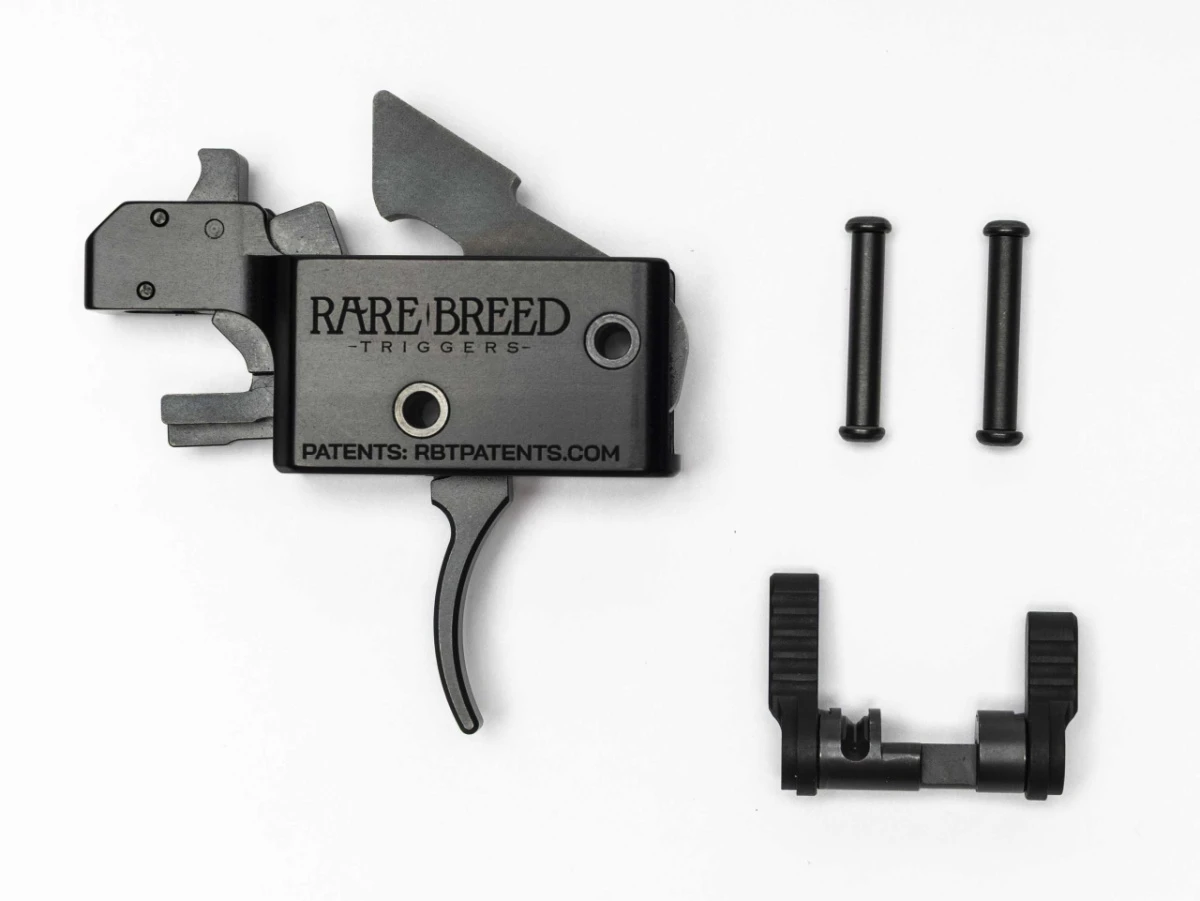
These are among the most recent and popular developments in the industry. The name is self-explanatory: after a shot is fired, the trigger is forcefully reset, allowing the user to bypass the manual reset step in the firing cycle. This enables the shooter to utilize a semi-automatic trigger to its full potential.
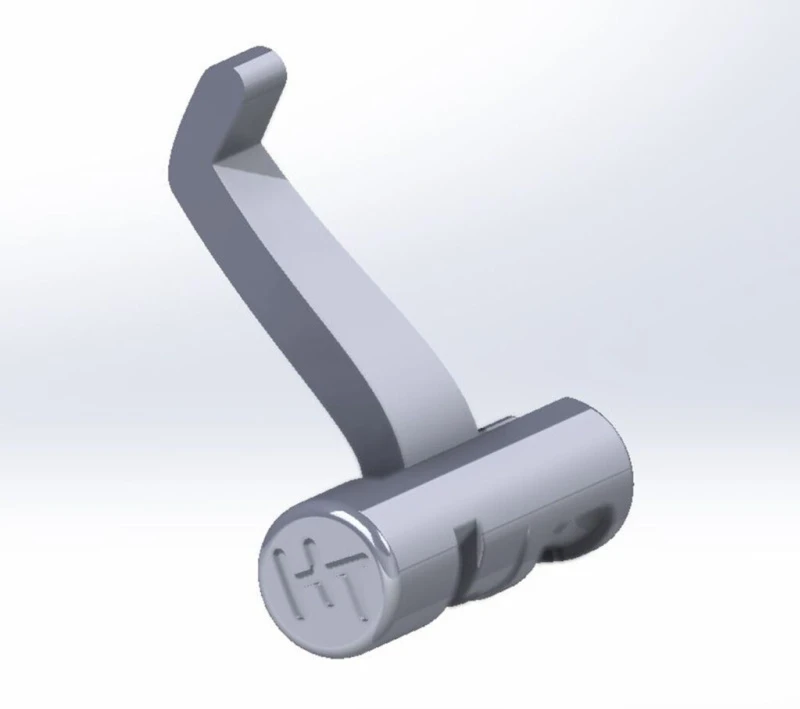
Super Safety devices function similarly by forcing the trigger to reset. Generally, they are more affordable and can even be easily made; however, they often require manual fitting and a more involved installation process. While FRTs are primarily found on AR-15 platforms, the Super Safety has been adapted for a wide variety of firearms.
Binary triggers fire when the trigger is pulled and again when it is released. This allows for a user-dependent increase in the rate of fire. These triggers are made for a variety of firearms.
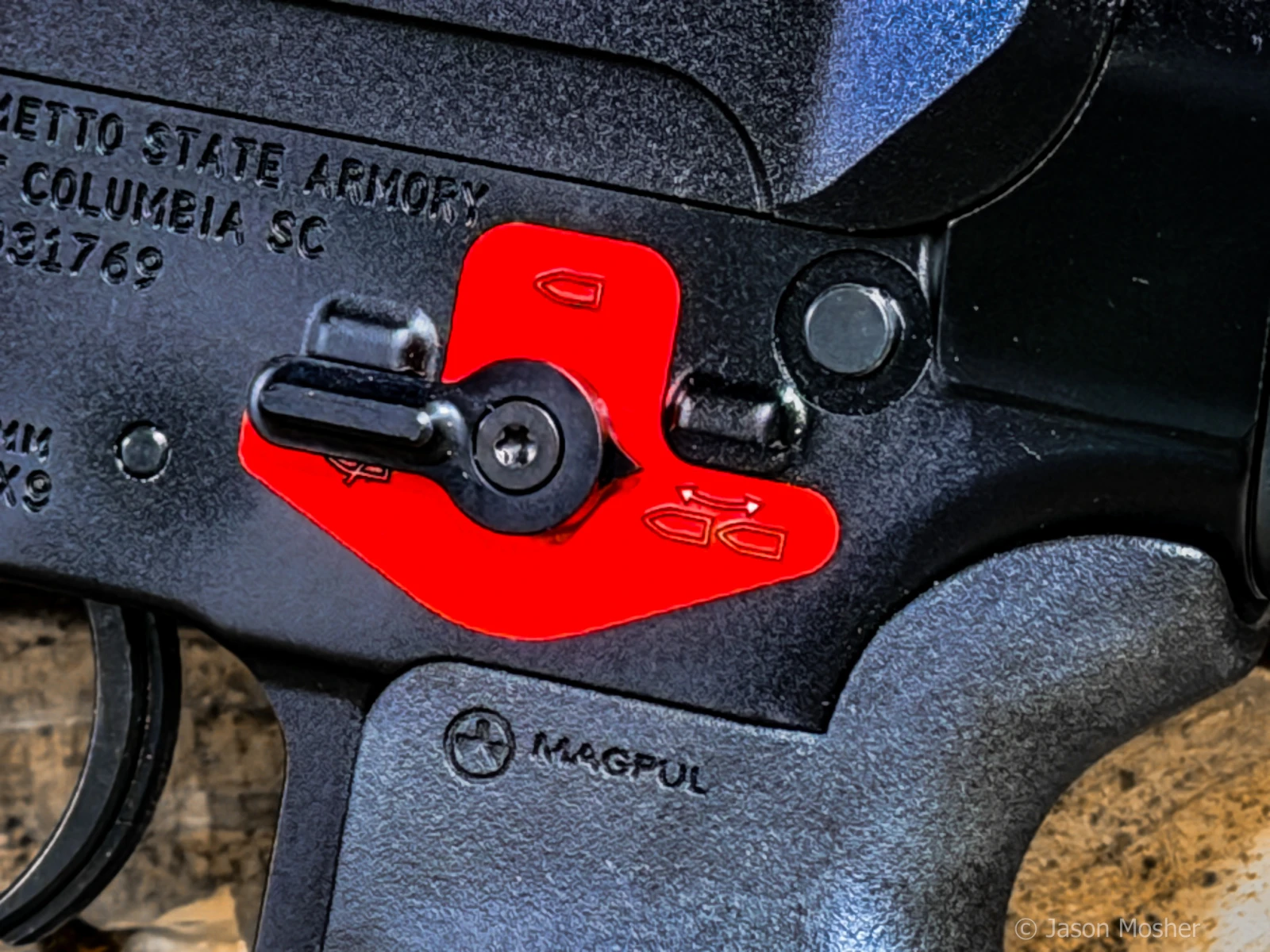
Your normal lower receiver has two positions, safe and semi-auto. A third position is often how you activate a binary trigger, Super Safety, or FRT.
The first lesson anyone learns about a suppressor is that they get hot—and they get hot fast. They are tasked with slowing down hot gas, which makes them “extra spicy” fairly quickly. Exactly how hot they get depends on your rate of fire; firing one round every two minutes isn’t going to heat a can up like a magazine dump.
Every time you pull the trigger, you are igniting gunpowder, which turns into gas with temperatures measured in thousands of degrees. This gas hits your baffles and fills your can. Depending on the suppressor, caliber, and barrel length, the temperature can rise up to ten degrees per shot. The silencer essentially becomes a heat sink.
Since each of these devices is aimed at increasing your rate of fire, they will understandably heat up your suppressor a lot faster than average semi-auto fire. A mag dump from an FRT-equipped gun goes a lot faster than your standard magazine dump. With that in mind, yes—an FRT, a binary trigger, or a Super Safety can damage your suppressor if it’s not rated for a high volume of fire.
This is where the term “full-auto rated” will save your bacon. Full-auto-rated suppressors are built to withstand abuse and handle the heat generated by a real machine gun. These suppressors have a much higher yield strength at higher temperatures.
Not all suppressors are full-auto rated. Using one of these devices with a can not rated for full-auto fire is a great way to turn a suppressor into an expensive paperweight.
Full-auto rated cans are typically made from stainless steel, titanium, or Inconel. Each has its strengths and weaknesses. Stainless steel allows for a more affordable suppressor and can be extremely strong, though the downside is that it weighs a bit more than titanium.
Titanium delivers full-auto rated performance, but it heats up faster than stainless steel or Inconel. Not all titanium cans are full-auto rated, so be sure to double-check.
Inconel is the real star of full-auto cans and remains extremely strong at high temperatures. It makes for a super strong suppressor, but it increases the weight. This is the way to go if you want to get deep into these rate-of-fire-increasing systems. Heck, it’s even used in jet engines!
Some cans are rated for full-auto use with a specific caliber. For example, the Spectre 9 is a 9mm can that is compatible with .300 Blackout. It’s full-auto-rated for 9mm and subsonic .300 Blackout, but only semi-auto-rated for supersonic .300 Blackout. Don’t toss the Spectre 9 on a .300 Blackout with an FRT and firing supersonics through it, or you’re gonna have a bad time.
Make sure you have not only a full-auto can, but a full-auto can rated for the caliber and load you’re firing. Some suppressors are only rated for certain barrel lengths. Ensure the barrel length matches the suppressor’s minimum requirements as well.
A full-auto rated suppressor ensures you don’t break your can—and potentially create a danger to yourself or other shooters. Beyond that, we need to consider the shooting experience as a whole. If you’re shooting with an FRT, Super Safety, or binary trigger and a standard suppressor, you can expect a gassy experience.
You’re going to get a lot of gas to the face and eyes, making it a potentially uncomfortable experience. You can tune your firearm’s gas system, if possible, using an adjustable gas block. You can also use the SilencerCo Gas Defeating Charging Handle to reduce gas blowback in AR platforms.
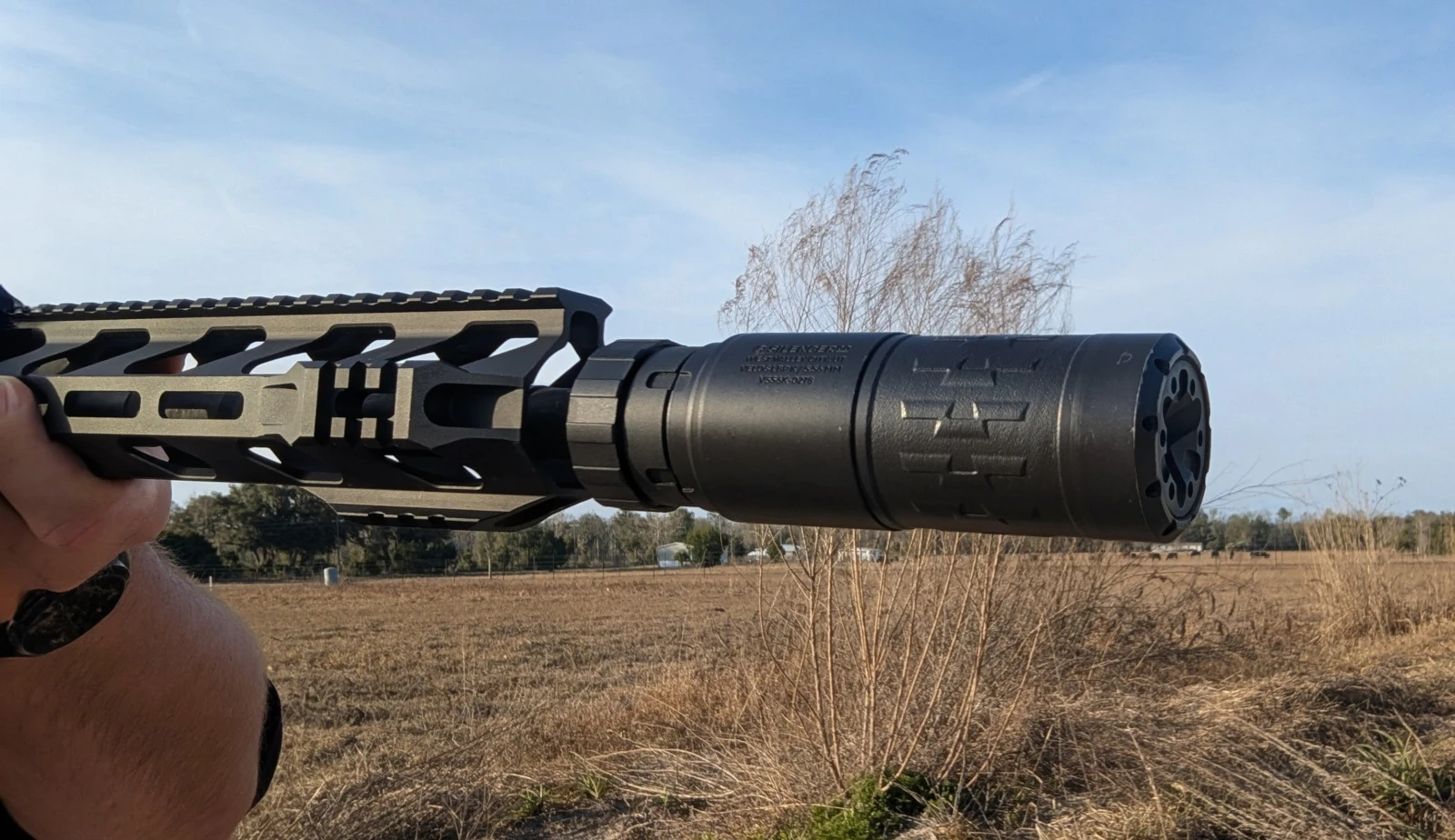
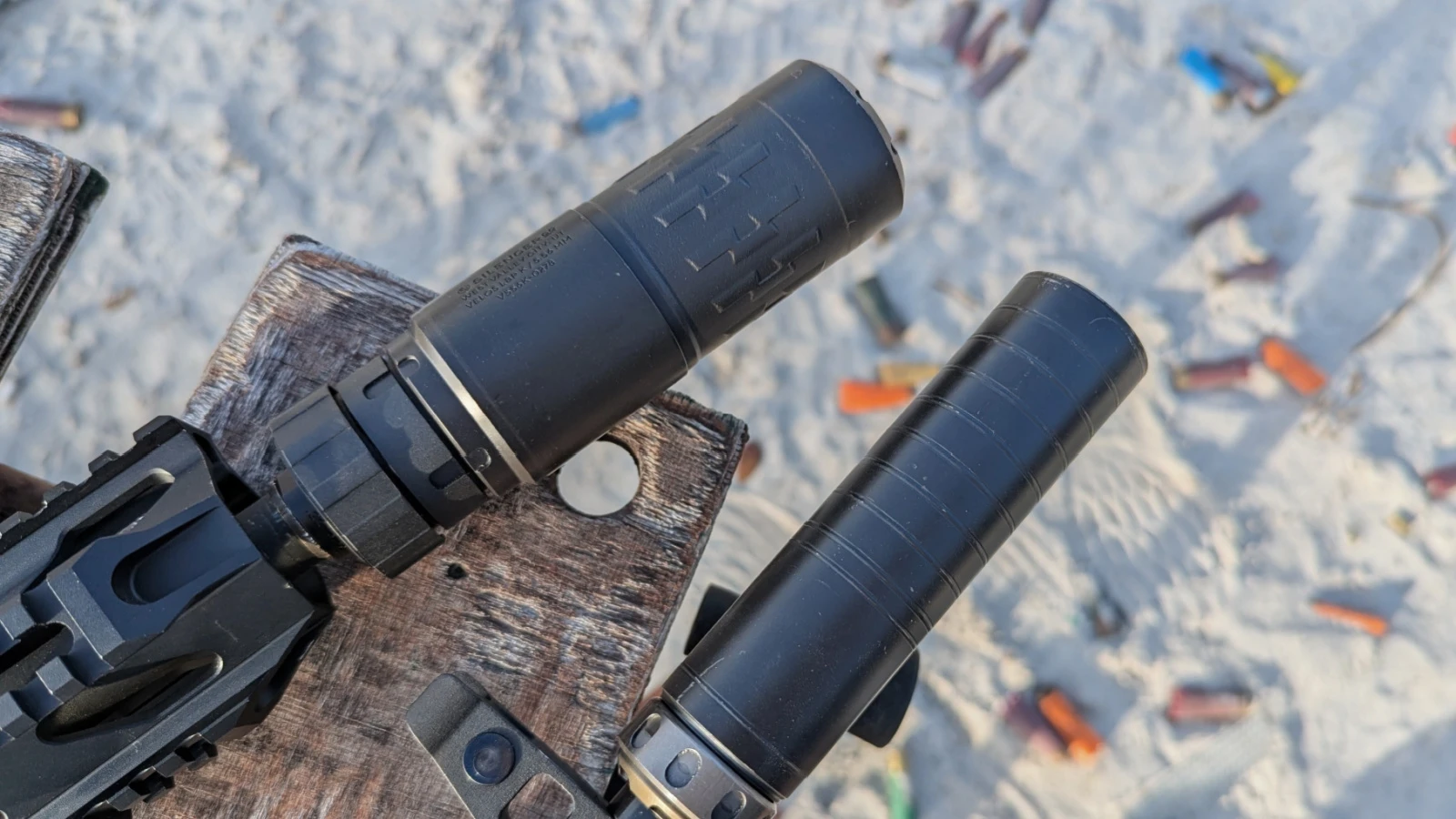
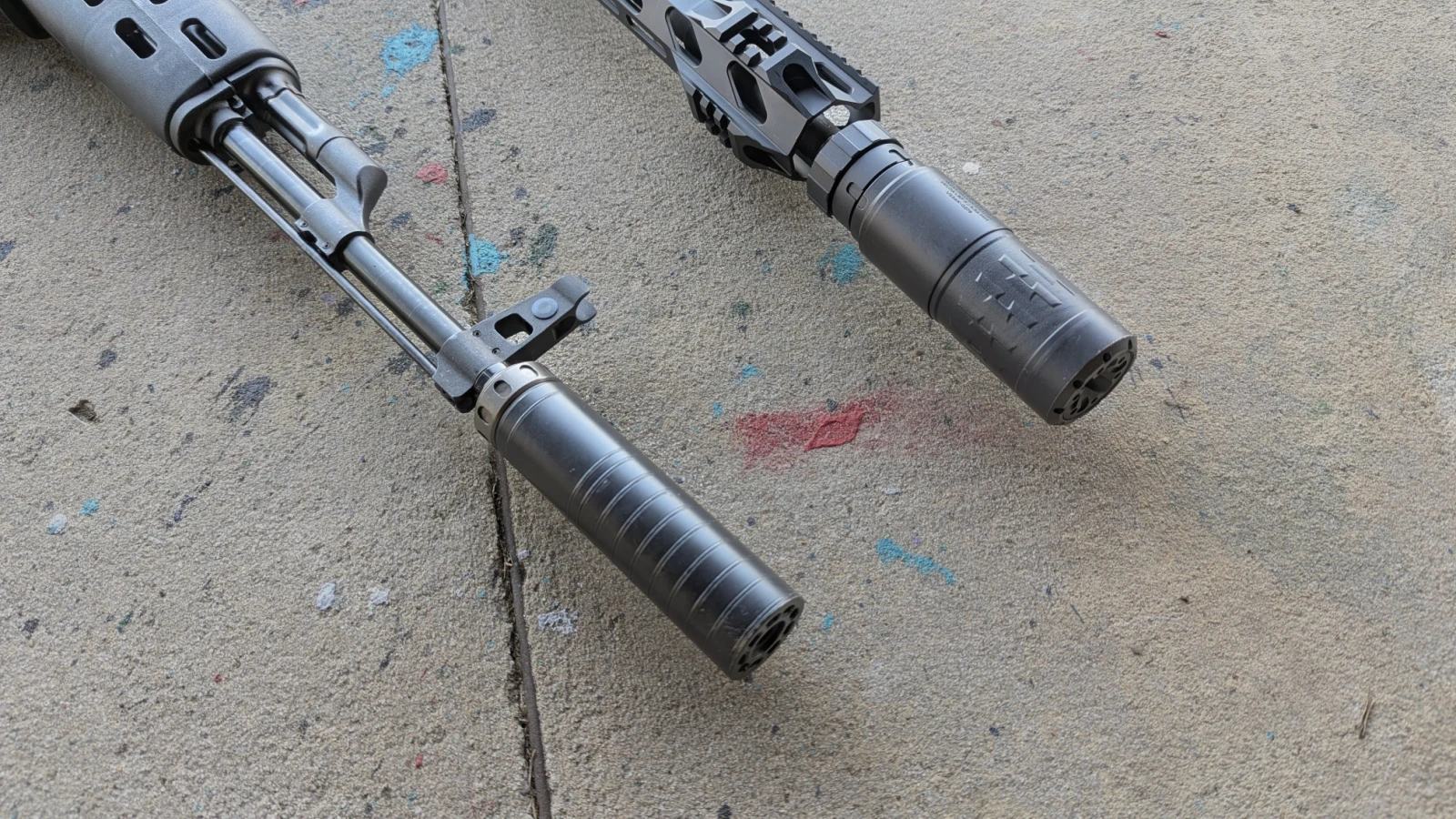
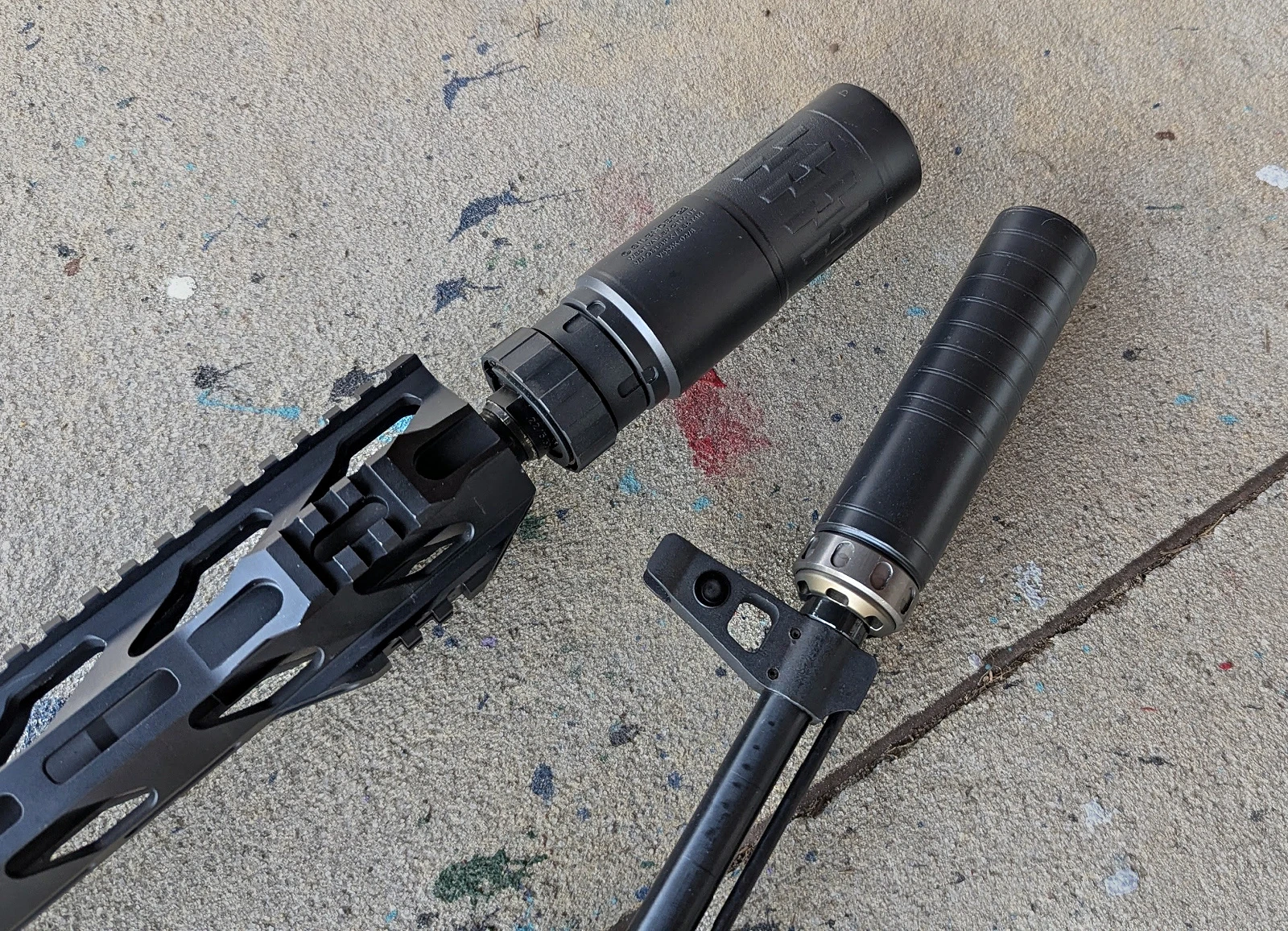
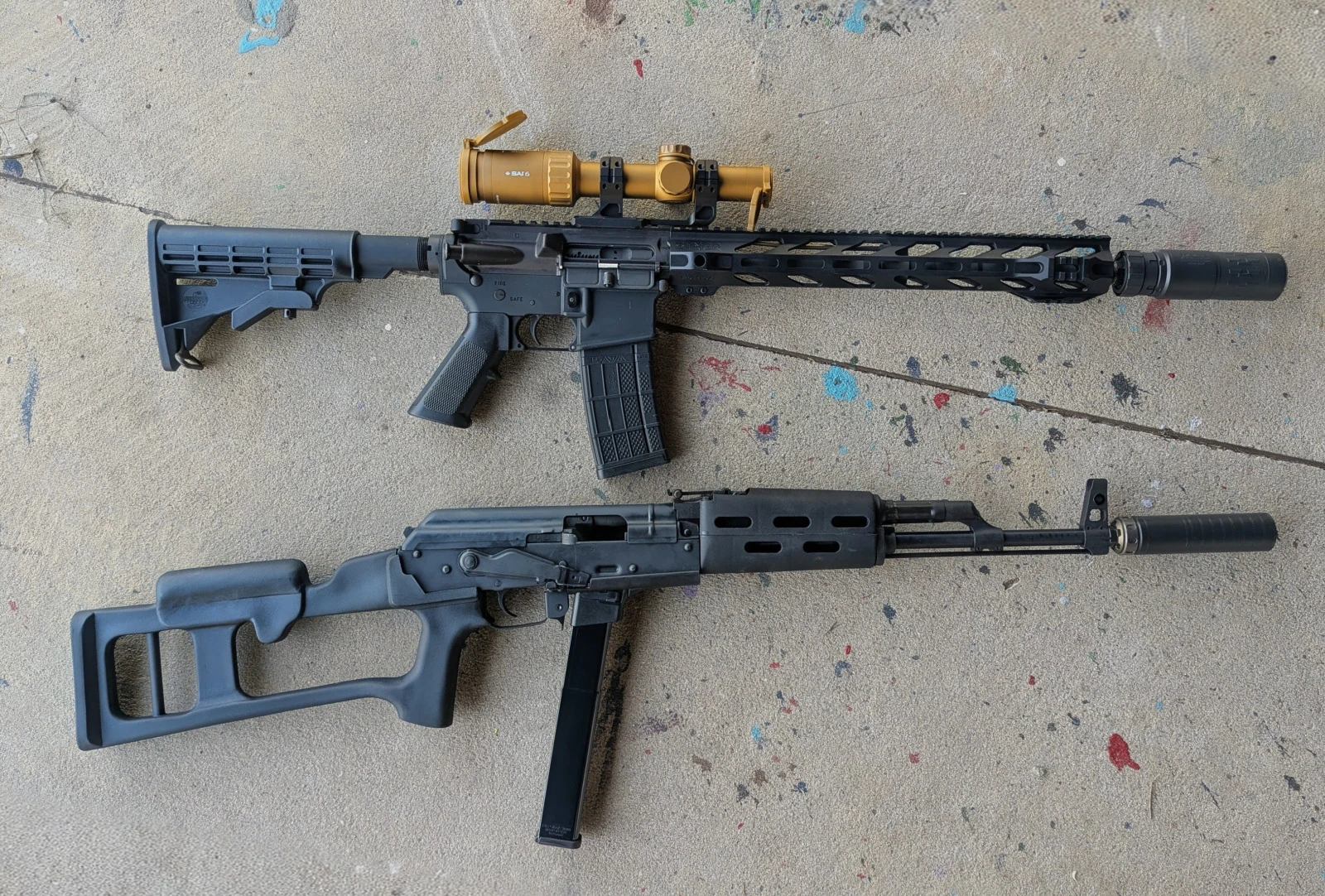
The best experience you can have with an FRT, Super Safety, or binary trigger will be with a low-back-pressure suppressor. The Velos LBP series features full-auto rated, forward-venting suppressors. This allows the gas to flow out of the front of the suppressor, eliminating gas blowback from the rear of the gun. These are made with Inconel and stainless steel to create one extremely durable suppressor.
In the current market, it’s easy to find a budget-friendly suppressor, but the likelihood of a budget suppressor standing up to the abuse of these high-rate devices is slim to none. If you have even the slightest inkling to try one of these triggers, it’s wiser to invest in a duty-grade, full-auto rated suppressor from the start.
It’s a peace of mind investment to ensure your suppressor keeps working, even after you give it a heavy dose of fire from an FRT, a Super Safety, or a binary trigger.
The post FRTs, Binary Triggers, & Suppressors: Managing Heat and Rapid Fire appeared first on SilencerCo.
“]]
© Global Ordnance, LLC 2021, all rights reserved.

