

As tensions escalate between Israel, the United States and Iran, law enforcement leaders must confront a difficult reality: hostile actors and their proxies may view the American homeland as a pressure point.
Thank you for reading this post, don't forget to follow and signup for notifications!
History has repeatedly shown that geopolitical conflict does not remain neatly contained overseas. It surfaces locally — sometimes through organized networks, sometimes through inspired actors and sometimes through coordinated proxy violence.
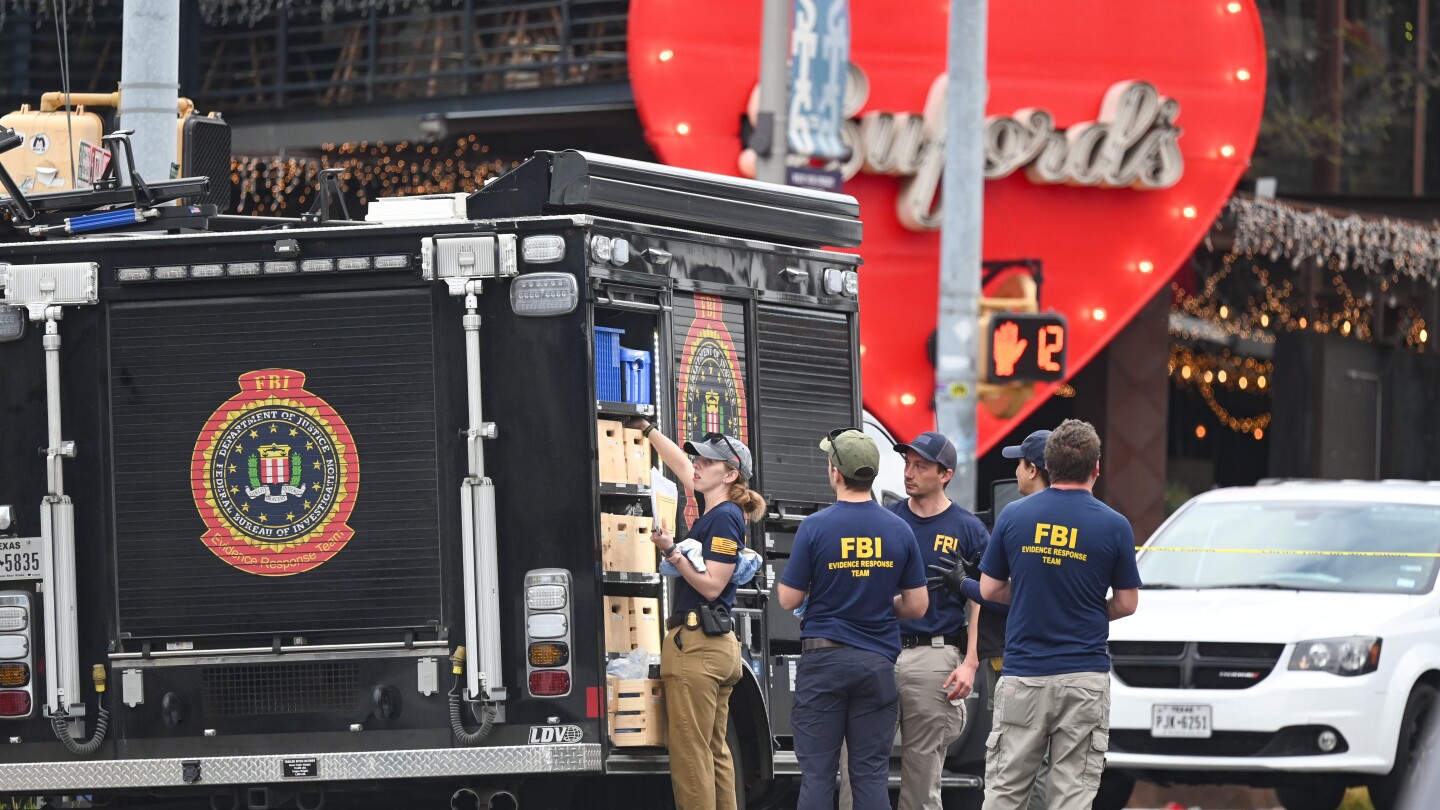
The mass shooting at an Austin bar on March 1 that killed two people and wounded 14 is now being investigated as a potential act of terrorism, with authorities noting possible ideological indicators tied to the suspect’s attire and behavior. This event underscores how global rhetoric and ideological movements can manifest domestically. Whether directed, inspired or opportunistic, such incidents serve as reminders that international tensions can produce local consequences.
For police leaders, the question is no longer hypothetical: Is your agency prepared if sleeper cells or proxy actors are activated here?
| RELATED: Law enforcement ramps up security nationwide after Iran strikes
Understanding the sleeper cell threat
A sleeper cell is a covert group tied to a foreign intelligence service or extremist organization that embeds quietly within a society and remains dormant until activated.
Members may live seemingly normal lives for years while awaiting instructions. Their purpose is not spontaneous violence. It is strategic disruption. When activated, their operations are coordinated, deliberate and designed to create impact beyond the immediate casualties.
Unlike lone-actor violence, sleeper cell operations rely on patience, planning and external support networks. They are structured for timing — often aligned with geopolitical flashpoints — and intended to destabilize, intimidate and generate psychological shock.
Given historical precedent, confirmed surveillance activity tied to foreign-aligned actors in Western nations and rising global tensions, the question is not whether hostile networks seek footholds within open societies. The question is whether we are prepared to respond.
How global conflicts surface locally
The October 7, 2023, attacks carried out by Hamas reinforced a brutal strategic doctrine: civilian targeting designed to shock the national psyche. The objective was not only casualties, but psychological trauma capable of reverberating throughout an entire society.
History provides additional warnings.
The 2008 Mumbai attacks demonstrated how a small, well-trained team could paralyze a major city through coordinated assaults on hotels, transit hubs and public spaces over a 60-hour period.
The November 2015 Paris attacks showed how synchronized operations targeting civilians can terrorize an entire nation.
That level of coordination is not theoretical in North America — it is plausible. Intelligence reporting in both the United States and Canada has previously identified surveillance activity directed at Jewish, Israeli and Western-affiliated institutions by foreign-aligned operatives.
In asymmetric conflict, fear itself is often the objective.
The evolving preparedness gap
Following September 11, law enforcement agencies made historic investments in homeland security and counterterrorism. Fusion centers were built. Joint Terrorism Task Forces expanded. Tactical units were strengthened.
Over the past several years, attention understandably shifted toward domestic violent extremism, active shooter prevention and civil unrest. Those threats remain real and significant.
Today many agencies are well prepared for:
- Active shooter incidents
- Lone-actor violence
- Civil unrest
Fewer, however, are fully prepared for:
- Coordinated multi-location terrorist attacks
- Foreign-directed proxy operations
- Drone-enabled threats
- Complex assaults designed to overwhelm emergency response
Some hostile actors are now trained in unmanned aerial systems. The weaponization of drones is no longer speculative. Yet many state and local agencies lack the legal authority, airspace jurisdiction or counter-UAS technology necessary to interdict such threats.
Recognizing this preparedness gap is not alarmism. It is responsible leadership.
| RELATED: CISA releases comprehensive resources to prevent vehicle ramming attacks
Rebuilding public vigilance
One of the most effective homeland security initiatives after 9/11 did not rely on advanced technology. It relied on the public.
The Department of Homeland Security’s “If You See Something, Say Something” campaign helped create a culture of vigilance that connected communities directly with law enforcement.
Over the past four to five years, that momentum has diminished in many jurisdictions. Outreach slowed. Public awareness campaigns faded. Community vigilance programs received less emphasis. That trend must be reversed.
Civilians often observe suspicious activity long before law enforcement is notified — unusual surveillance, probing behavior, unfamiliar individuals repeatedly appearing near sensitive locations. Citizens are not simply witnesses. They are a critical layer of prevention. Revitalizing “See Something, Say Something” initiatives, strengthening Crime Stoppers partnerships and providing civilian situational awareness training may prove to be among the most effective counterterrorism measures available.
PARIS ATTACKS: On November 13, 2015, a series of coordinated terrorist attacks were carried out in Paris by an ISIS-linked sleeper cell (SC), targeting six locations — including a concert hall, cafés and the national stadium — and resulting in 130 deaths and hundreds of injuries in a calculated assault meant to terrorize civilians across Europe.
Six priorities for law enforcement leaders
To address the renewed risk of sleeper cell attacks and proxy violence, law enforcement leaders should focus on six priorities.
- Speak candidly about the threat: Sleeper cell activity is a credible and near-term risk. Silence or political discomfort invites complacency. Revive and expand community-facing programs like See Something, Say Something and Crime Stoppers to empower public vigilance.
- Rebuild public vigilance programs: Reinvigorate See Something, Say Something campaigns, strengthen partnerships with community organizations and restore public situational awareness training.
- Train for coordinated, multi-site attacks: Move beyond single-shooter exercises. Conduct scenario-based training that simulates complex operations involving SWAT, EMS, intelligence units and private security partners.
- Strengthen intelligence sharing: Ensure timely, bidirectional information flow between local agencies, fusion centers and Joint Terrorism Task Forces. Information must be contextualized, actionable and distributed efficiently.
- Expand protection of soft targets: Security planning must include schools, shopping districts, transportation hubs, entertainment venues and community gatherings alongside houses of worship. Dispatch protocols should treat calls from these sites as priority infrastructure incidents.
- Prepare for emerging threats: Drone attacks, encrypted communications and remote coordination are increasingly part of modern terrorism. Agencies must pursue training, technology acquisition and legislative support to develop counter-UAS capabilities and address evolving tactics.
| RELATED: Op-ed: America’s drone blind spot and the 9/10 moment we’re ignoring
A leadership moment
When nations confront each other abroad, their conflicts often surface in unexpected places at home.
Preparedness is not fearmongering. It is responsible policing.
Sleeper cell attacks and foreign-directed proxy violence are not distant hypotheticals. They are deliberate, patient strategies that exploit distraction, complacency and unpreparedness.
The professionals serving in our agencies continue to demonstrate skill, courage and commitment. But confronting the next generation of threats will require leadership, strategic investment and renewed community partnership.
The question for chiefs, sheriffs and command staff is straightforward:
Is your agency prepared?
This article, originally published on July 3, 2025, has been updated with new information about the risks of sleeper cells in the United States.

