

[[{“value”:”
Thank you for reading this post, don't forget to follow and signup for notifications!
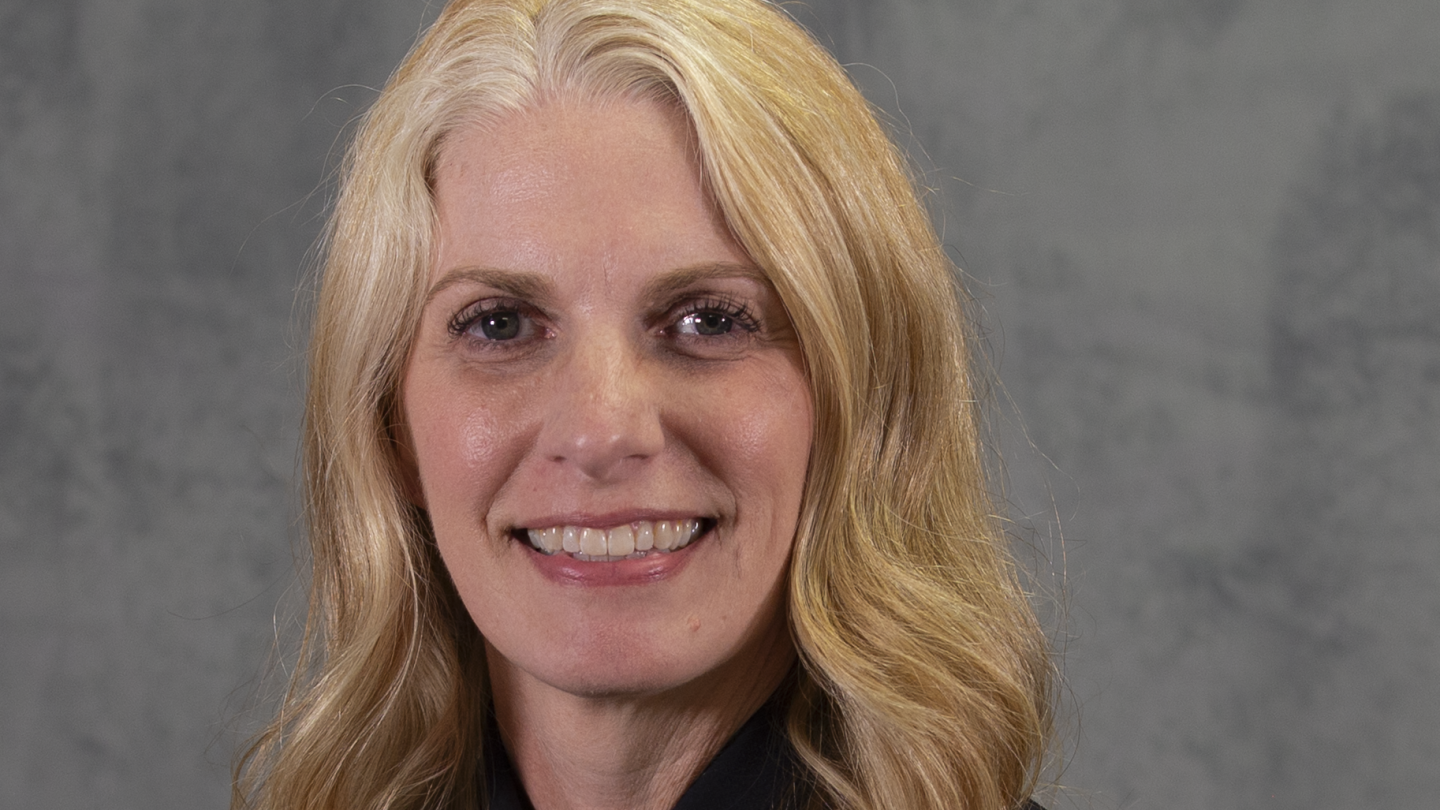
Before thousands of fans fill a stadium, a parade rolls through downtown or a major festival opens its gates, Lt. Renee Guyan is already at work. As the Gainesville (Fla.) Police Department’s lieutenant overseeing special events operations, emergency management and behavioral threat management, Guyan helps coordinate the planning, staffing and execution of some of the city’s largest and most complex public gatherings.
In a city anchored by the University of Florida, her responsibilities range from preparing for football games and concerts to coordinating responses to protests, severe weather and other emerging public safety concerns. The role requires constant collaboration with law enforcement, fire/rescue, public works, transportation officials, university partners and private stakeholders, all while ensuring personnel, resources and contingency plans are in place long before an event begins.
Below, Lt. Guyan shares what it takes to manage large-scale events, why preparation and partnerships are critical to public safety and how experiences in patrol, recruiting, internal affairs and personnel services have shaped her leadership approach.
What does a typical day look like overseeing special events operations?
Something I enjoy about the position is that there are few typical days. Our special events coordinator reviews all applications for the City of Gainesville, as well as intakes all extra-duty officer requests. I review each permit application for public safety staffing requirements and operational impacts.
We meet with event organizers and city departments for larger events that require road closures or span multiple days. Other days, we are working closely with our partner agencies to prepare for pop-up events, like protests or block parties. Emergency management plays a key role in preparation for planned and unplanned events.
When we are not actively preparing for events, we are reviewing staffing plans, inventorying resources and evaluating emerging emergency preparedness issues, such as wildfires and the impending hurricane season.
Regardless of the work being done, a common thread to being prepared is communicating effectively and putting the right people and resources in place to keep our community safe.

How do you plan and execute a large-scale event safely?
A tremendous amount of work is initiated long before the day of the actual event. We use a layered approach that allows for a complete operational risk assessment.
The first layer is understanding the event and the venue: expected attendance, venue layout, ingress and egress, emergency access routes and weather conditions.
The second layer is the crowd itself. Crowd dynamics inform the approach we take. Who is attending? Have they been to this venue before? How will they arrive, whether through purchased parking, rideshare or other transportation? In what waves would we expect them to enter the gates?
The third layer is the impact on the surrounding community, the biggest of which is always traffic congestion. Our city has few east/west thoroughfares, which requires us to work closely with our public works and traffic engineering peers to develop traffic patterns that attempt to create appropriate inflow and outflow for the event. Creating a secure perimeter around the venue, usually through closing adjacent roadways, enhances the security of the event and creates safer pedestrian areas.
| RELATED: How police are preparing for 104 World Cup matches across three nations
Coordination with law enforcement, fire rescue, public works, transportation, university officials and private security partners is the final layer. Everyone has a role in the operational success of the event.
Contingency planning is a recurring process. We review existing contingency plans, the most common of which is a weather interruption. Others we work through in off-season tabletop exercises. They have included a car driving into the secure perimeter and a food truck explosion within the road closure.
By the time the event kicks off, we are not just managing a crowd. We are managing a coordinated operation that has been planned from multiple perspectives to create the safest and best experience for our community and guests coming into our city.
What does large-scale event planning look like in action? The Morgan Wallen concerts on May 15-16, 2026, brought thousands of visitors to Gainesville and required significant public safety coordination. The video below shows the type of operation Lt. Guyan and her team prepare for throughout the year.
What are the biggest challenges of managing major events?
Balance. I think Disney does it best. We have had the opportunity to hear from Linda Reid, the VP of security operations at Walt Disney World. How do you create the absolute safest environment and not impact someone’s overall experience? That is the challenge.
If we work hard enough throughout the year, review our procedures, complete meaningful after-action reports and continue to learn from others’ experiences, then we can get close to hitting that mark. Flexibility, communication and strong partnerships that can adapt to changing conditions create a strong foundation for success.
| RELATED: The systems that can fail: Six vulnerabilities to address before major events
How do you manage staffing and communication during major events?
Having strong people in supervisory roles is key. Put the right people in the right seats. Have as much consistency through events as you can, and set expectations for those supervisors.
We communicate with the supervisors and team leaders about what their span of control is and empower them to adjust personnel or request additional resources as conditions change. I also think setting realistic expectations for all staff is important. We explain the thorough planning process we have been participating in, but nothing is foolproof.
We need them to be able to work in a fluid environment and have a mindset that leans into the chaos while understanding the mission.
Can you share a memorable operation and the lessons it taught you?
One memorable operation was planning for the University of Florida’s appearance in the 2025 NCAA Men’s Basketball National Championship. It had been 18 years since the university was competing for a national title, so there was a great deal of excitement throughout the community.
As planning began, we reviewed operational plans and after-action reports from the championship runs in 2006 and 2007. While those documents provided a valuable foundation, we knew the environment, the city and the university had all changed significantly over the years. Our task was to take those lessons learned and build a plan that reflected today’s realities.
Because the championship game was being played more than 1,000 miles away, Gainesville became the focal point for local celebrations. The University of Florida hosted a large watch party at the basketball arena, while numerous businesses and venues in the adjacent entertainment district hosted their own gatherings. We anticipated that if the Gators won, thousands of students, staff, alumni and community members would leave those venues and naturally converge in the corridor connecting the university and the midtown area.
Our planning focused heavily on crowd movement, traffic management, emergency access, staffing and pedestrian safety. The operation required extensive coordination between law enforcement, fire rescue, public works, university officials and private stakeholders. One of the key safety measures included hardening roadway closures with large public works vehicles to protect the significant number of pedestrians we anticipated would occupy the roadway for several hours following the game.
| RELATED: Why special event policing must become intelligence-led in 2026
The event required a substantial commitment of personnel and resources from multiple agencies. Ultimately, the operation unfolded largely as planned and allowed the community to celebrate safely. The level of preparation, teamwork and professionalism displayed by our personnel was exceptional. In recognition of those efforts, our department created a commemorative award and ribbon to acknowledge the officers and staff who contributed to the success of the operation.
One of the more interesting lessons learned involved timing and preparedness. During the planning process, there was some hesitation about discussing championship celebration plans too early out of concern for “jinxing” the outcome. While everyone understood the sentiment, the experience reinforced the importance of proactive planning. Since then, we have discussed reviewing championship contingency plans annually for major university sports programs so we can maintain readiness without having to build a plan from scratch when opportunities arise.
One personal takeaway from the operation involved communication and delegation. As part of our staffing plan, we organized personnel into squads with designated supervisors and team leaders. While the overall operation was successful, I realized afterward that I could have done a better job communicating the level of responsibility, authority and flexibility those leaders had within their assigned areas.
As leaders, we often focus on making sure everyone understands the plan, but it’s equally important to ensure supervisors understand where they have the discretion to make decisions and adapt as conditions change. Following this event, I adjusted my approach to pre-event briefings and supervisor preparation by placing greater emphasis on expectations, decision-making authority and contingency options.
The lessons learned from the championship operation were incorporated into several large-scale events that followed, and I believe those experiences helped strengthen both our planning process and our supervisory development efforts moving forward.
| RELATED: How police mounted units are preparing for the World Cup
In this episode of Policing Matters, Overland Park (Kansas) Police Major Kyle Livengood discusses how agencies are preparing for the 2026 FIFA World Cup through intelligence sharing, regional partnerships and large-scale event planning — many of the same principles Lt. Renee Guyan relies on when coordinating major events and emergency operations in Gainesville.
How has behavioral threat management become part of event planning?
Threat management is now expected to be a proactive effort. Today, we place more emphasis on identifying concerning behaviors early, sharing information appropriately and working collaboratively.
When it comes to preparation for large public gatherings, we rely heavily on our local intelligence analysts and leverage the incredible partnerships we have with both the state, through the Florida Department of Law Enforcement, and federally, through the FBI. They are part of our planning meetings and have a seat in our incident command center for these events to provide additional support and resources.
How are agencies adapting to today’s event security challenges?
One of the biggest shifts in public safety over the past several years has been the willingness of agencies to share information and lessons learned. When an incident occurs at a parade, festival, sporting event, concert or other large gathering anywhere in the country, agencies often conduct detailed after-action reviews to identify what worked well and where improvements could be made. Increasingly, those lessons are being shared with the broader public safety community.
Many agencies are also opening portions of their debriefs, conference presentations and professional discussions to outside organizations. That allows others to learn from real-world experiences without having to experience the same challenges firsthand. Whether the issue involves crowd management, traffic flow, emergency communications, behavioral threat concerns or acts of violence, there is tremendous value in understanding how another community responded and what they would do differently moving forward.
For those of us responsible for planning local events, those lessons become part of our own planning process. We review after-action reports, participate in professional networks, attend training opportunities and discuss emerging trends with our public safety partners. The goal is not to copy another agency’s plan, but to evaluate how those experiences might apply to our community and our events.
Public safety has always been a profession built on continuous learning, and I think today’s agencies are better prepared because we’re more willing than ever to learn from one another. Every after-action review, whether from a successful event or a challenging incident, provides an opportunity to improve preparedness, strengthen partnerships and enhance safety for the communities we serve.
| RELATED: How collaboration is redefining event security
What does successful multi-agency collaboration look like?
Strong, existing relationships. Everyone has a unique perspective and area of expertise. The best outcomes occur when those perspectives are brought together early in the planning process.
The goal of building these relationships is to operate as one team rather than a collection of separate organizations. Additionally, bringing in the next generation of supervisors to these trainings, planning meetings and events helps build out the bench we rely so heavily on for continued success.
In this episode of Policing Matters, Lt. Jon Zimmer and Capt. John Mocello break down how agencies can prepare for high-stakes events without overcomplicating the mission. Their conversation offers a broader look at the same realities Lt. Renee Guyan navigates in Gainesville: building plans that scale, keeping communication clear and making sure teams are ready before the crowds arrive.
How have your past assignments shaped the way you lead today?
Each assignment throughout my career taught me something different, and I draw from all of them in my current role.
Patrol leadership taught me operational competency, adaptability and decision-making. When you’re supervising field operations, conditions can change quickly, and you learn how to assess information, make decisions with confidence and adjust when circumstances require it. Those skills are critical when managing large events and complex operations.
My time in Internal Affairs reinforced the importance of fairness, accountability and credibility. People may not always agree with a decision, but they need to trust that they were treated fairly and that the process was consistent. That experience strengthened my ability to have difficult conversations, evaluate situations objectively and make decisions that are both principled and defensible.
Personnel Services provided a different perspective. I had the opportunity to work in recruiting, hiring, employee relations and retention efforts. It reinforced the idea that how we treat people matters. Organizations that invest in their people, communicate clearly and create a positive work environment are more successful at attracting talent, retaining employees and building commitment. I see a direct connection between employee engagement and organizational performance.
When I put all those experiences together, they’ve shaped my leadership philosophy. I believe in leading with confidence while treating people with empathy and respect. I believe in being direct and honest while still recognizing the human side of every situation. Some people describe that as balancing grace and truth. For me, it’s about holding people accountable, solving problems and building trust at the same time.
Those lessons influence how I lead special operations today, whether I’m coordinating a major event, managing a complex issue or working with a team to achieve a common goal.
| WATCH ON-DEMAND WEBINAR: Interagency coordination for large-scale special events
What skills are most important in special events operations?
Technical knowledge matters, but the strongest skill is communication. The ability to build relationships, coordinate stakeholders and communicate effectively under pressure is critical.
Flexibility is also important because conditions can change quickly. Strong organizational skills, attention to detail and the ability to remain calm during uncertainty are all qualities that contribute to success in these types of roles.
I would encourage anyone interested in a career in these areas to get involved. Work in as many roles as you can at these events to increase your exposure, which gives you a 360-degree view of the operations.
What’s the most rewarding part of overseeing major events?
One of the most rewarding aspects of overseeing special events is seeing the community come together and enjoy experiences that create lasting memories. Whether it’s a football game, festival, parade or concert, these events often become meaningful moments for families, visitors, students and community members. Knowing that our planning and preparation helped create a safe environment for those experiences is incredibly rewarding.
At the same time, I believe a successful event should create a positive experience not only for the attendees, but also for the personnel working it. We ask a great deal of our officers, firefighters, public works employees, event staff and community partners. One of my goals is to develop plans that allow those teams to operate efficiently, understand their responsibilities and feel supported throughout the operation.
When a plan is well thought out, people can spend less time reacting to problems and more time focusing on their mission. That leads to better decision-making, stronger teamwork and a more positive experience for everyone involved. We want to create championship experiences for the community, and that starts with creating an environment where our personnel can perform at their best.
For me, the greatest reward is seeing a well-prepared team execute a complex operation successfully while the community simply enjoys the event. If people leave with positive memories and our personnel leave feeling valued and successful, that’s a win for everyone.
What advice would you give aspiring special operations leaders?
Be willing to learn from every assignment, even if it doesn’t seem directly connected to where you want to go. Some of the skills I rely on most today came from positions that, at the time, I didn’t realize would be so valuable.
Build relationships, develop strong communication skills and seek opportunities that broaden your perspective. Leadership roles in special operations require a wide range of experiences, and the more you understand people, organizations and problem-solving, the more effective you’ll be.
EVENT SECURITY
“}]]

