


Bivvy Bags offer greater flexibility in the outdoors. They weigh less than a tent and pack to the size of a loaf of bread, helping strip your kit down to simpler, lighter weights. That means faster movement, less bulk, and fewer decisions when the weather shifts. No poles, no stakes—just a sack you slide into. For emergencies, it’s instant shelter. For planned trips, it’s freedom from heavy gear and the option to move light.
Thank you for reading this post, don't forget to follow and signup for notifications!
- Cold Weather
- The Spray
- Multi-Use Bivvy
- Bivvy Bag vs. Bivvy Tent
- Mountain Laurel Designs Superlight Solo Bivvy
- SOL Escape Pro Bivvy
- Bivvy Bags Quick Specs :
A bivvy bag adds up to 10 degrees of warmth to your sleep system. It reduces wind exposure, wrapping your bag in a protective shell. When choosing gear for cold weather, consider the advantages that bivvy bags can bring for insulation. In snow or frost, that extra layer can mean the difference between shivering and sleeping.
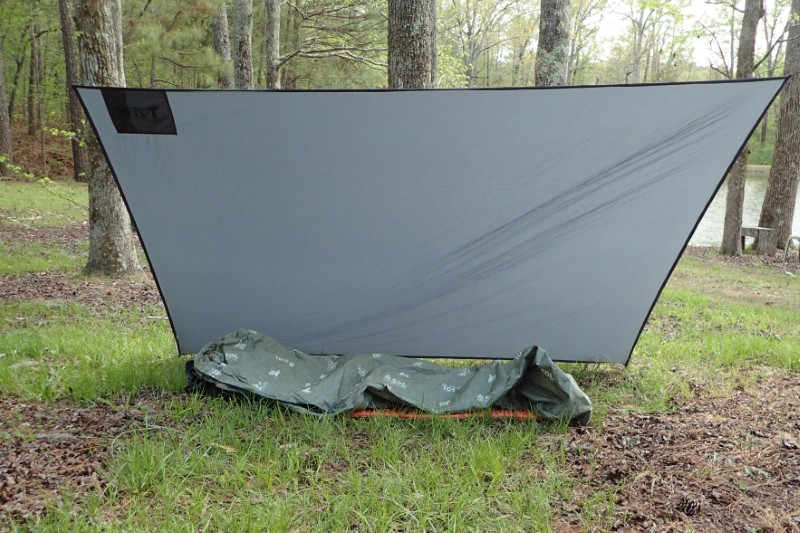
Breathable fabrics reduce condensation, keeping insulation lofted. In deep cold, pair a bivvy bag with a tarp or a lean-to for full protection against the elements.
Advertisement — Continue Reading Below
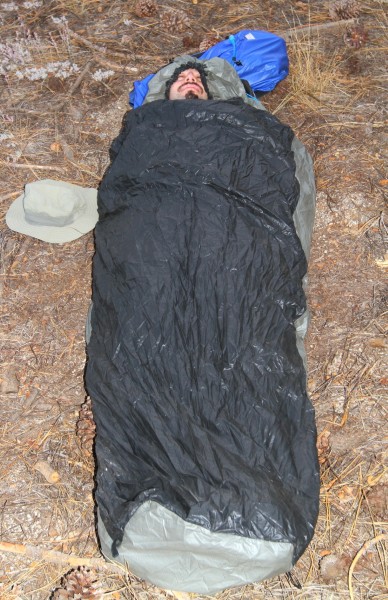
Snow drifts sideways. Rain sprinkles when you least expect it. Mist rides the wind. A bivvy bag blocks spray from all angles. For those who want reliable protection, bivvy bags do a great job keeping ground moisture from seeping in. When storms shift fast, you stay dry without scrambling for a tent. That’s the edge a bivvy gives you—simple protection against unpredictable weather.
A bivvy bag isn’t just for sleep. Use it as a pack liner to keep gear dry. In emergencies, it doubles as a survival sack. For versatility in the outdoors, bivvy bags can serve as a quick shelter when you stop moving, or as a backup when your tent fails. Some models even reflect heat, making them useful for signaling or conserving warmth in a crisis.
Advertisement — Continue Reading Below
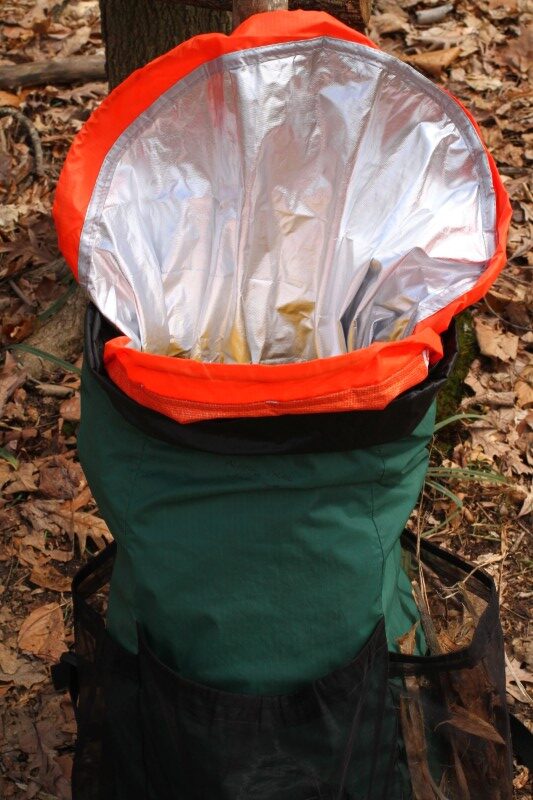
A bivvy bag is not a bivvy tent. The bag is a minimalist shell—no poles, no frame. Made to slip over your sleeping bag, adding warmth and weather resistance. A bivvy tent, on the other hand, is a small, single-person shelter with structure. It offers more comfort but adds weight and bulk.
The bag is about speed, stealth, and simplicity. The tent is about extended stays and comfort. Having an understanding of the differences between bivvy bags and tents will help you decide which suits your adventure. Know the difference before you pack.
Advertisement — Continue Reading Below
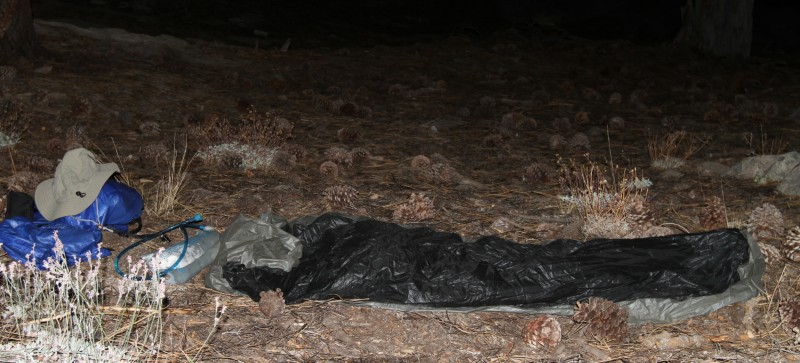
The Mountain Laurel Designs Superlight Solo Bivvy serves ultralight backpackers who count every ounce. At just 6 ounces (170 g), it’s one of the lightest bivvy bags available. The solo cut fits a standard sleeping bag, with a tapered design that reduces bulk. The top fabric is breathable, while the silnylon floor provides waterproof protection against damp ground.
When packed, it compresses to the size of a grapefruit and disappears into your kit until needed. This bivvy adds warmth without trapping moisture, making it ideal for pairing with a tarp in wet climates or for fastpacking trips where speed and weight matter most. The MSRP is $185 USD, reflecting its premium ultralight construction and durability.
Advertisement — Continue Reading Below
The SOL Escape Pro Bivvy is designed for survival and emergency use and doubles as a versatile camping tool. It weighs about 8.5 ounces (240 g) and measures 84 inches by 31 inches (213 cm x 79 cm), providing enough room for most users while remaining compact.
The Escape Pro Bivvy is constructed from proprietary Escape ThermaShell material, a specialized spunbonded olefin fabric with a metalized coating. It reflects up to 70% of body heat thanks to its aluminum liner, while still allowing moisture to escape. Bright orange, grey, and green are available for visibility. It’s windproof, waterproof, and built to withstand harsh conditions.
If you’re searching for robust bivvy bags for emergencies or cold-weather trips, this model prioritizes safety and warmth over minimal weight, making it a reliable backup. The MSRP is about $86.49 USD, positioning it as a higher-end survival bivvy with advanced materials.
Advertisement — Continue Reading Below
Mountain Laurel Designs Superlight Solo Bivvy
| Weight | 6 oz (170 g) |
| Dimensions | Fits standard sleeping bags; solo size with tapered cut |
| Materials | Breathable top fabric, silnylon floor for waterproof protection |
| Packed Size | Compresses to about the size of a grapefruit |
| Use Case | Ultralight backpacking, fastpacking, tarp pairing in wet climates |
| MSRP | $185 USD |
Advertisement — Continue Reading Below
SOL Escape Pro Bivvy
| Weight | 8.5 oz (240 g) |
| Dimensions | 84 in x 31 in (213 cm x 79 cm) |
| Materials | Sympatex Reflexion waterproof-breathable fabric with aluminum liner (reflects 90% of body heat) |
| Packed Size | Small, emergency-ready stuff sack |
| Use Case | Emergency shelter, survival sack, sleeping bag liner for added warmth; many bivvy bags serve multiple purposes like these. |
| MSRP | $86.49 USD |

